
Culverts are critical to the performance of roads, drainage systems, and municipal infrastructure—but they often go unnoticed until failure occurs. At DL VEWS, we provide professional culvert inspection services using advanced technology and data-driven reporting to help you identify issues early, extend asset life, and avoid costly emergency repairs.
Whether you’re managing a municipal system, transportation network, or private infrastructure, our inspections deliver the clarity and documentation you need to make informed decisions.
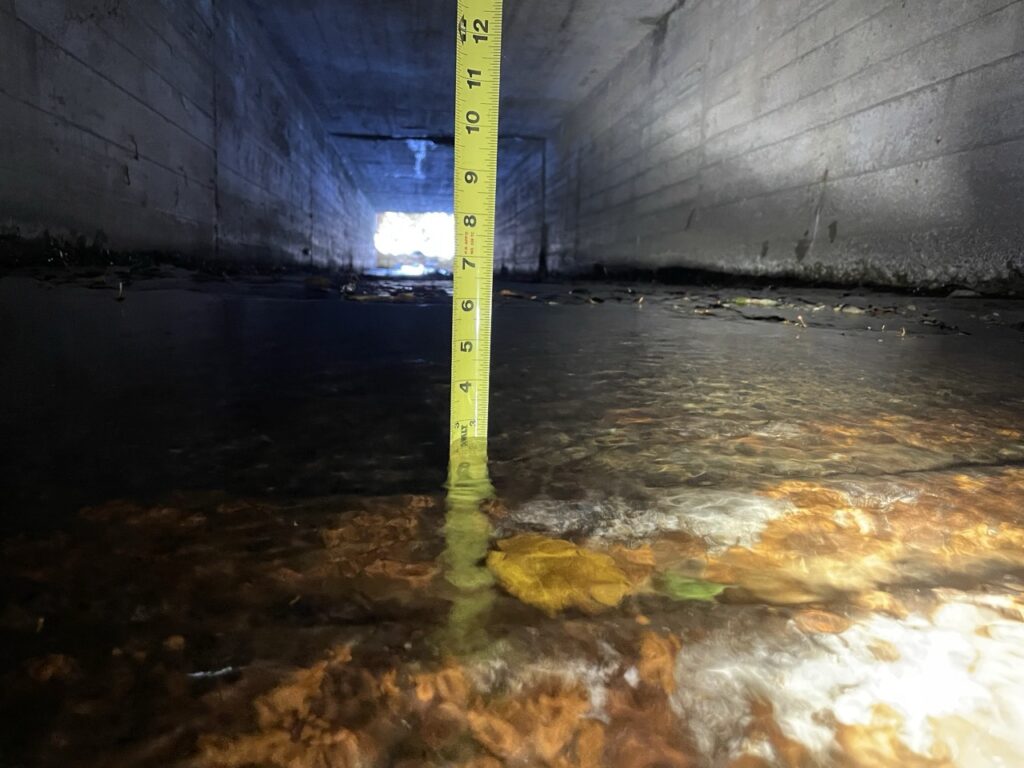
A culvert inspection is a detailed evaluation of a culvert’s structural integrity, hydraulic performance, and overall condition.
At DL VEWS, we go beyond basic visual checks by utilizing:
Our goal is simple: give you a complete understanding of your culvert system—before problems escalate.
Culvert inspections play a critical role in protecting infrastructure, preventing costly failures, and supporting long-term planning. Undetected issues such as corrosion, joint separation, or structural collapse can lead to road washouts and emergency repairs, often at a significantly higher cost than proactive maintenance. By identifying deterioration early, inspections allow municipalities and engineers to implement targeted repairs or rehabilitation strategies that extend the lifespan of culverts and maximize asset value. In addition, detailed inspection data helps improve budget planning by enabling teams to prioritize repairs and allocate resources more effectively, rather than reacting to unexpected failures. Regular inspections also support compliance with state and federal requirements, ensuring your infrastructure remains audit-ready. Most importantly, proactive culvert inspections reduce liability by identifying potential safety hazards before they become serious risks for municipalities, property owners, and the public.
We review available plans, site conditions, and access points to determine the best inspection approach.
Using advanced equipment, we perform a thorough inspection of the host pipe.
We apply a standardized condition rating system to evaluate: Structural defects Material deterioration Joint integrity Sediment buildup and obstructions
You receive a detailed report including: condition ratings, documentation, identified defects, repair or rehabilitation recommendations.
DL VEWS inspects all major culvert types, including corrugated metal pipe (CMP), reinforced concrete culverts, HDPE and plastic culverts, box culverts, and arch culverts. Our team works across a wide range of environments—from roadways and railways to residential developments and remote locations—ensuring accurate assessments regardless of site conditions or accessibility.
Through our inspection process, we identify a wide range of structural and performance issues, including corrosion and rust (especially in metal culverts), cracks and structural failure, joint separation or displacement, sediment buildup and blockages, infiltration and exfiltration, as well as scour and erosion at inlets and outlets. Catching these problems early allows for proactive maintenance and rehabilitation, often saving thousands—or even millions—of dollars in repair and replacement costs.
DL VEWS provides culvert inspection services for a diverse range of clients, including municipalities and public works departments, state DOTs and transportation agencies, engineering and consulting firms, contractors and developers, as well as private property owners. Our approach is tailored to meet the needs of each client, delivering reliable data and actionable insights that support informed infrastructure decisions.
Most culverts should be inspected every 3–5 years, or more frequently in high-risk environments or aging systems.
Reports typically include condition ratings, defect identification, and repair recommendations.
It depends on size and accessibility, but many inspections can be completed in a few hours to a full day.
In most cases, no. We use minimally invasive methods that allow inspections to be completed with little to no disruption to traffic.
We provide clear recommendations, which may include cleaning, repair, or rehabilitation solutions such as lining or replacement.
Yes. Proper documentation and condition assessments can support grant applications, regulatory compliance, and capital improvement planning.
If you’re planning a water, sewer, or infrastructure project, DL VEWS can help you determine if KustomFlo is the right solution.
Contact us today to discuss your project and get a customized recommendation.