Choosing the Right Valve
Valve selection starts with the pipeline and its operating conditions. First, determine the pipe diameter and required flow rate. Next, review pressure, temperature, fluid type, and installation conditions.
The valve body, disc, stem, seat, coating, and actuator can also affect the final selection. For this reason, engineers should evaluate the complete system before ordering equipment.
DL VEWS can help contractors and engineering teams review available options. Together, we can identify products that match the project specifications and operating requirements.
Valve Sizes and Configurations
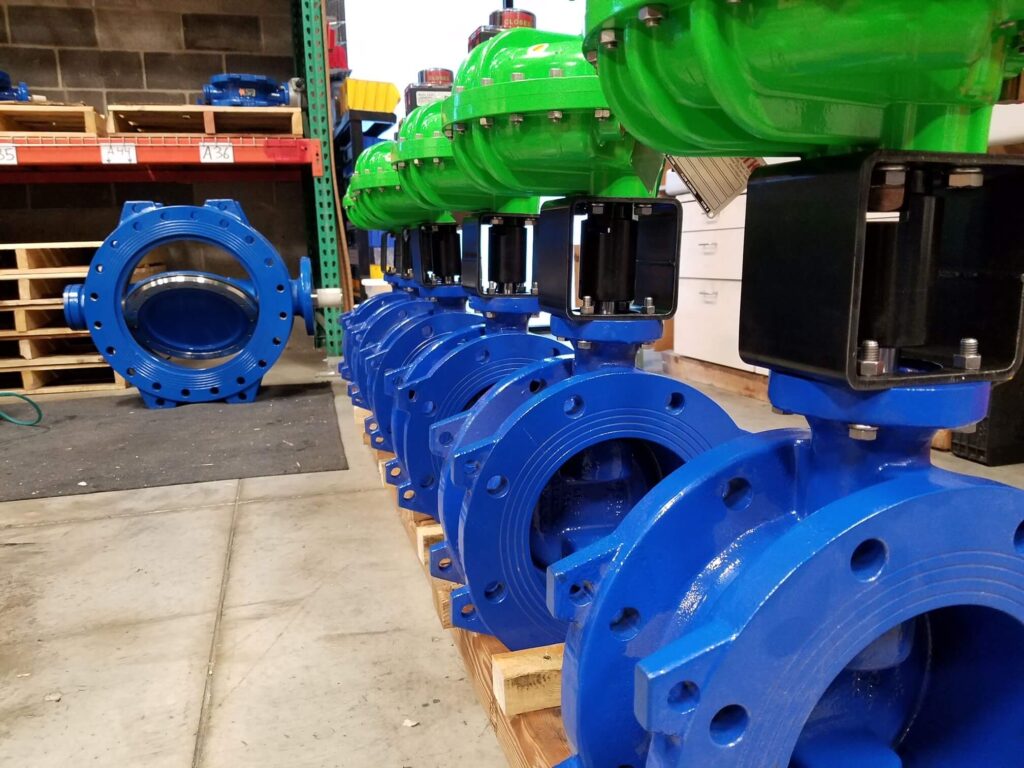
Manufacturers offer these products in many sizes and configurations. Depending on the application, a project may require wafer, lug, or flanged connections.
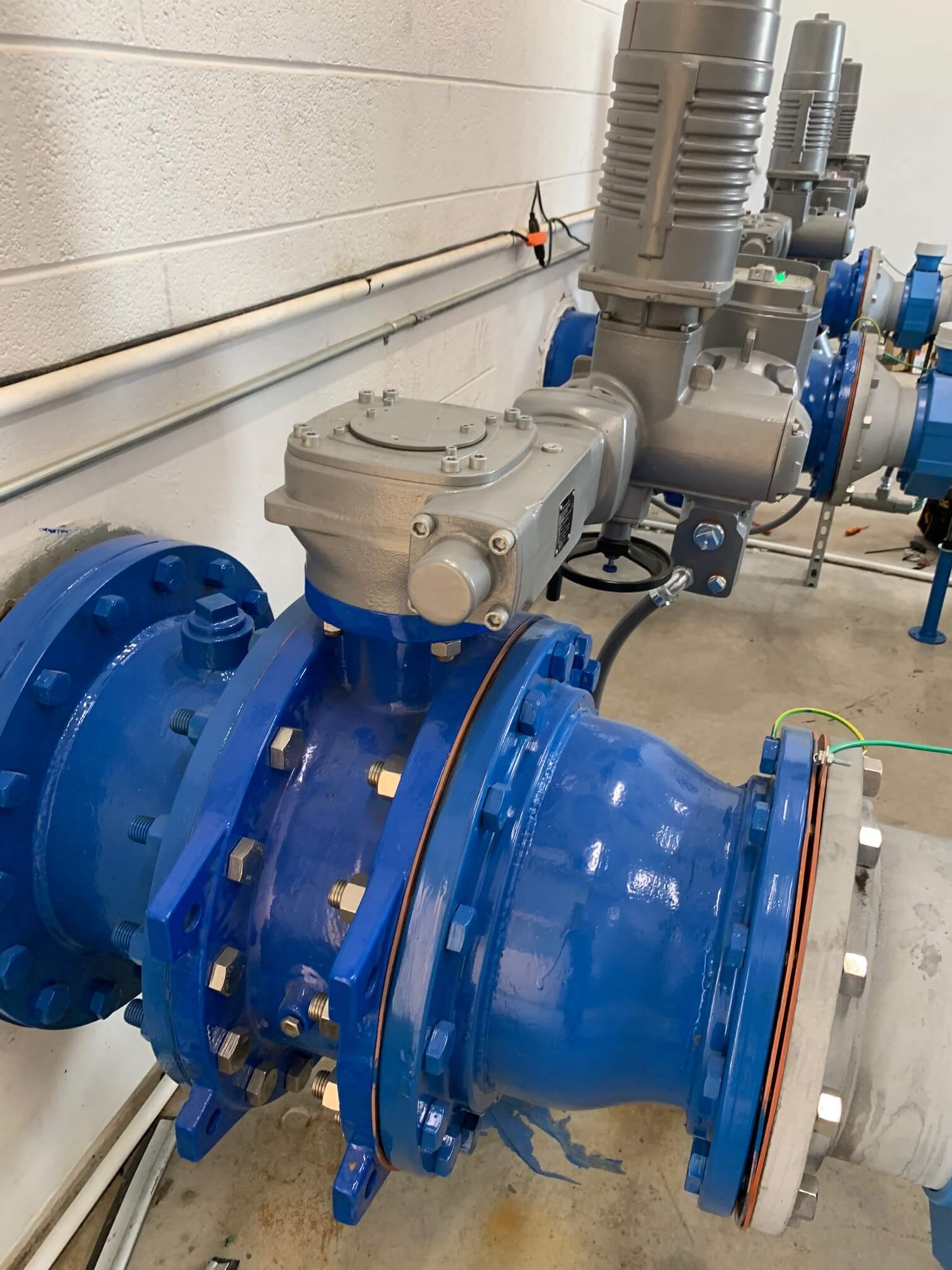
Actuation also varies by application. Operators can use manual, electric, or other actuation methods depending on the system design.
In addition, material selection can affect performance. Ductile iron, stainless steel, coatings, seats, and other components can provide different levels of corrosion resistance and durability.
Always review the project specifications before selecting the final configuration.
Replacement and Rehabilitation Projects
Existing water and wastewater systems often need valve replacement as components age. When a valve no longer operates correctly, replacing it can restore flow control and system performance.
DL VEWS can help identify replacement options based on the existing pipe size and valve configuration. In some cases,the project may also require additional pipe or rehabilitation products.
For related infrastructure work, DL VEWS also provides pipe rehabilitation and culvert rehabilitation solutions.