
DL VEWS selects these products based on site conditions, hydraulic requirements, corrosion resistance needs, and structural load demands. This approach ensures long-term performance in Pennsylvania’s demanding roadway and drainage environments.
HDPE culvert pipe delivers smooth interior flow characteristics, corrosion resistance, lightweight handling, and a 100+ year design life. This makes it ideal for municipal, DOT, and stormwater infrastructure projects.
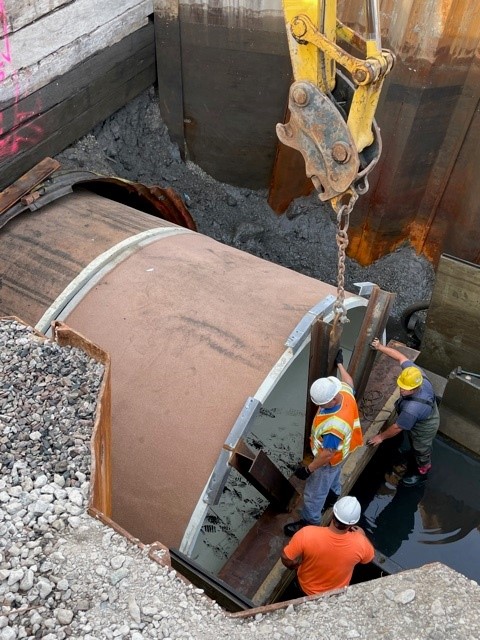
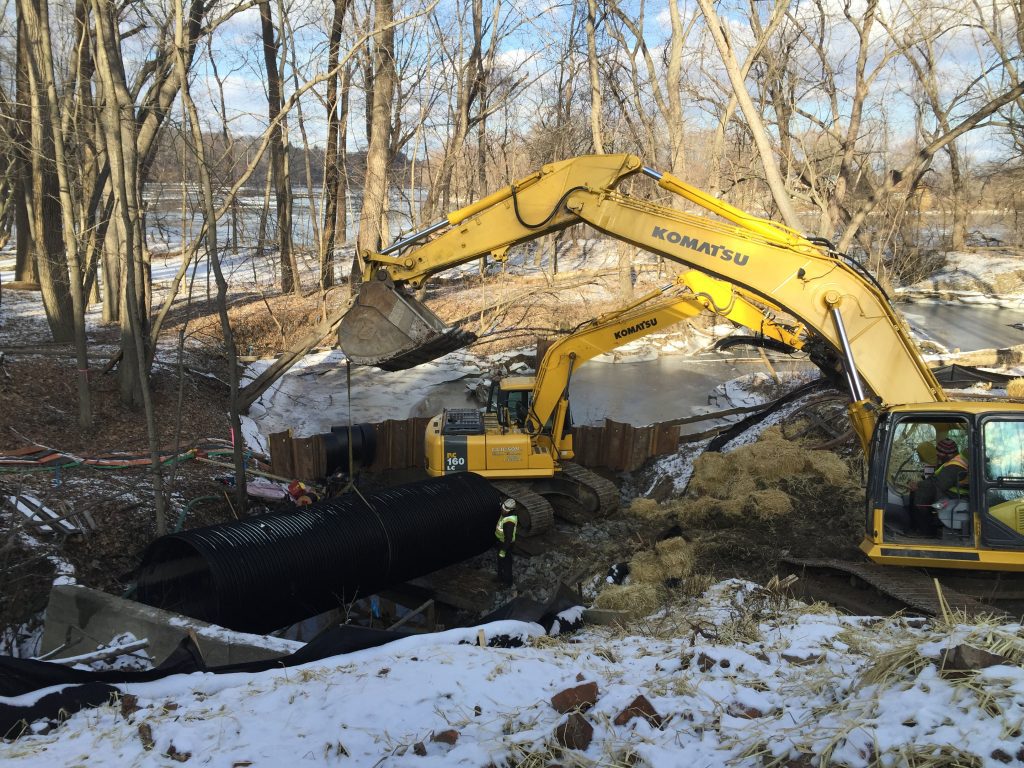
Culverts in Pennsylvania carry water beneath roads, railways, embankments, and other transportation corridors. Over time, corrosion, hydraulic wear, shifting soils, and aging materials damage these systems.
DL VEWS provides complete culvert pipe rehabilitation services throughout Pennsylvania, including:
Our engineers select each system based on hydraulic performance, structural demands, and long-term durability. This approach reduces environmental impact and limits traffic disruption.
Every successful culvert rehabilitation project starts with a detailed inspection. DL VEWS performs on-site inspections throughout Pennsylvania to assess structural and hydraulic conditions.
Our team evaluates:
This inspection process helps municipalities, engineers, and contractors choose the most cost-effective rehabilitation approach before failures occur.
We also provide:
Our team works directly with project stakeholders to ensure every solution meets structural and hydraulic requirements.
Project timelines depend on several factors, including:
Trenchless rehabilitation methods often take less time than full excavation. As a result, crews complete projects faster and reduce roadway disruption.
Long Service Life Modern culvert rehabilitation systems can provide a design life of 50 to 100 years or more. In many applications, engineers target service lives exceeding 75 years. However, long-term performance depends on multiple design factors, including: Stream abrasion levels Soil conditions Water pH Soil resistivity Pipe wall thickness Hydraulic loading By evaluating these variables early in the design process, project teams can maximize both durability and performance.
Several rehabilitation methods are available for deteriorating culverts. Common solutions include: Sliplining Structural relining Paved inverts Spot repairs Joint repairs Dig-and-replace projects Structural plate lining Tunnel liner plate systems Spirally wound liners Rather than recommending a one-size-fits-all solution, DL VEWS evaluates each project individually. Therefore, clients receive a rehabilitation strategy that satisfies both structural and hydraulic requirements.
Today, infrastructure owners have more rehabilitation options than ever before. Even severely deteriorated culverts can often be restored without full replacement. Over the years, DL VEWS has participated in numerous projects where existing pipes were in critical condition. Nevertheless, rehabilitation solutions successfully restored structural integrity and extended service life.

One of the most expensive parts of a culvert lining project is the installation of a new pipe. If you want to cut down on costs but still maintain a long-lasting, fully functional culvert, then it’s time to think about using a culvert lining system such as Snap-Tite.
Snap-Tite has a proven record in the culvert rehabilitation business, and their products are designed to be cost-effective, flexible, and easy to install. No more overpriced installation teams. No more excessive excavation stress.
Just Snap-Tite, and it’s all right.
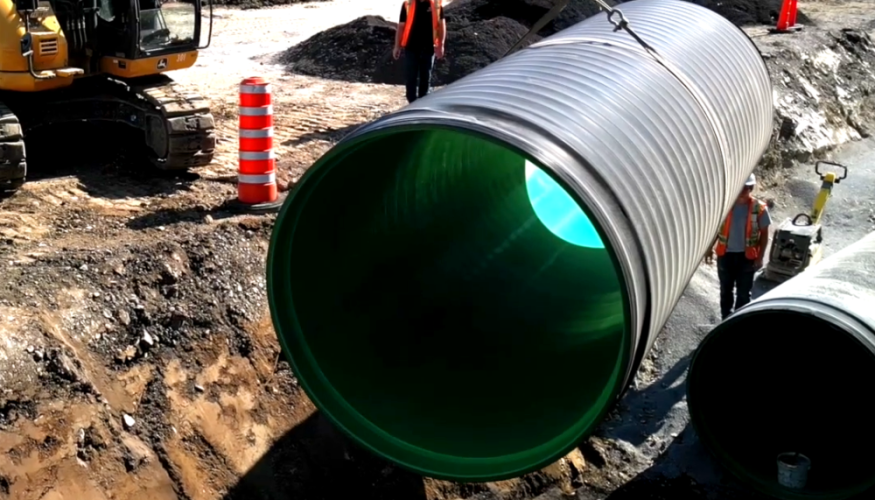
Channeline is a glass reinforced plastic; better known in the industry as GRP. A hyper-versatile solution for the stormwater and wastewater industry, Channeline can be used for some of the toughest environments including high H2S (hydrogen sulfide), brownfields, pH sensitive areas, highly salted areas, etc. It can be used to slipline and rehab culverts & sanitary sewers. It can also cover a wide range of live and dead loads. Channeline is often utilized in areas where excavation pits must remain minimized or alleviated. It can be designed in multi-piece segments to be lowered through existing manhole or access points as necessary.
Because of it’s versatility in design, Channeline has the ability to make unique shape offerings which will optimize your hydraulics while optimizing constructability. Unique shape solutions include, but not limited to:
DuroMaxx steel reinforced polyethylene (SRPE) pipe combines the strength of steel with the durability of plastic, resulting in an extraordinarily strong and durable pipe. DuroMaxx meets the long-term structural demands of the most difficult sanitary sewer, storm sewer, irrigation, stormwater detention, and wastewater projects.

Many culvert systems throughout Pennsylvania were installed decades ago and are now reaching the end of their design life. Corrosion, abrasion, joint separation, backfill loss, and hydraulic wear can all contribute to structural deterioration.
Metal culverts often experience corrosion and abrasion caused by flowing water, sediment, and debris. Concrete structures typically fail at the joints, allowing soil migration and void formation around the pipe. As these issues worsen, sinkholes, roadway settlement, and structural failures can occur.
Fortunately, rehabilitation methods such as sliplining and structural lining can restore the culvert while minimizing excavation. In many cases, rehabilitation provides a longer-lasting and more cost-effective solution than full replacement.
Every successful rehabilitation project begins with a detailed inspection. During the evaluation process, engineers assess the condition of the existing structure and identify the factors contributing to deterioration.
Inspectors typically review:
Additionally, surrounding roadway conditions, slopes, and drainage patterns are examined to identify potential risks.
After completing the assessment, the project team can determine whether sliplining, spot repairs, structural lining, or replacement offers the best long-term solution.
Project schedules vary based on the size and condition of the structure. However, trenchless rehabilitation methods usually require significantly less time than traditional excavation and replacement.
Several factors influence project duration:
As a result, many rehabilitation projects can be completed with less disruption to traffic, nearby property owners, and the surrounding environment.
Most culvert rehabilitation systems are designed to provide a service life of 75 to 100 years or more when properly engineered and installed. Actual performance depends on environmental conditions, hydraulic demands, and material selection.
Factors that influence long-term durability include:
Because every project is different, engineers evaluate these conditions before selecting a rehabilitation system.
Modern trenchless technologies can rehabilitate nearly any culvert shape. In addition to standard round pipes, rehabilitation systems are available for:
Furthermore, custom liner systems can be manufactured to match unique structural geometries while maintaining hydraulic performance.
In many situations, yes. Sliplining allows contractors to rehabilitate an existing structure without extensive excavation, reducing construction time and minimizing roadway disruption.
Additional benefits include:
However, every project should be evaluated individually. Some severely damaged structures may still require replacement. An inspection helps determine the most effective approach based on structural and hydraulic requirements.