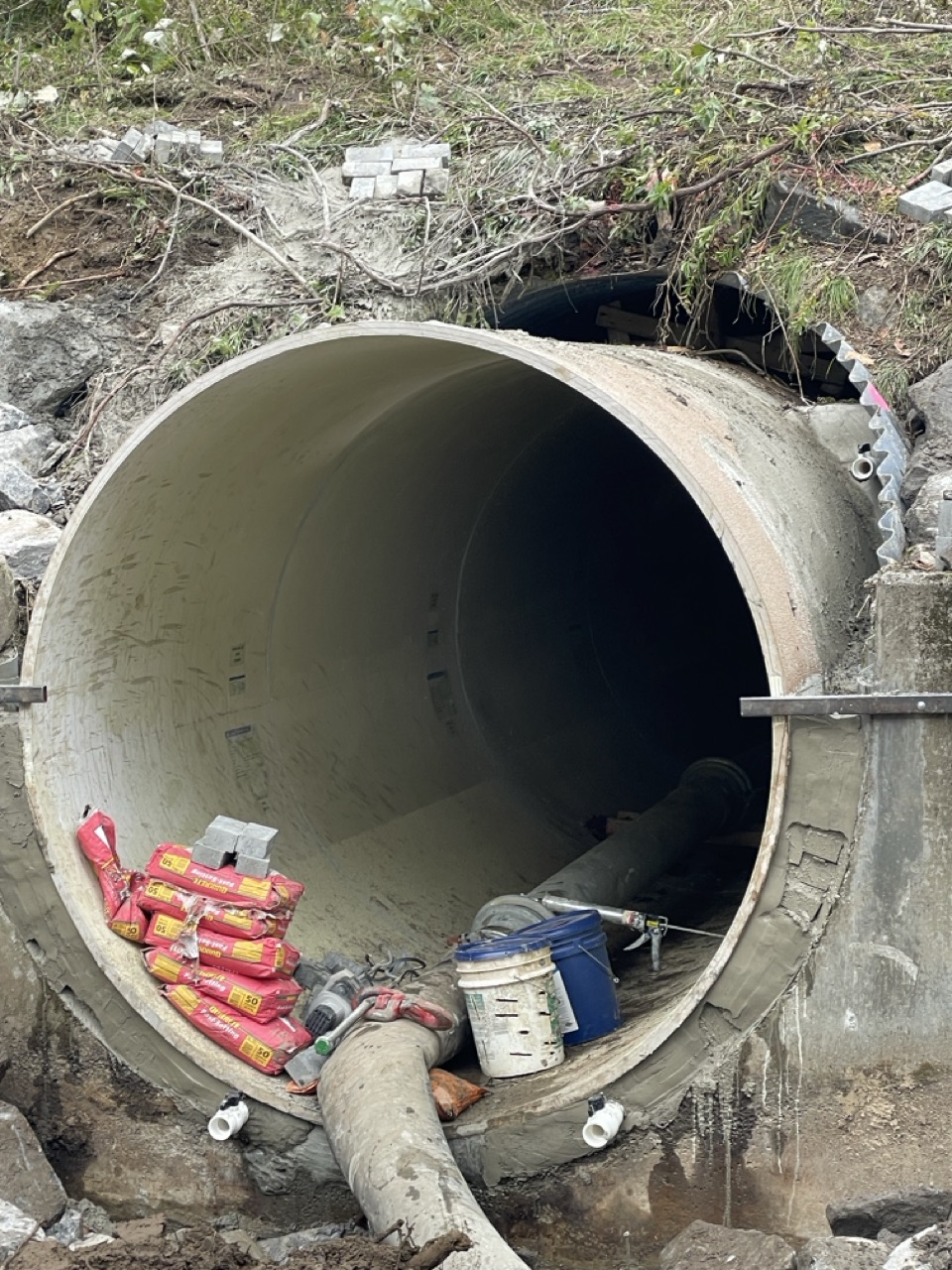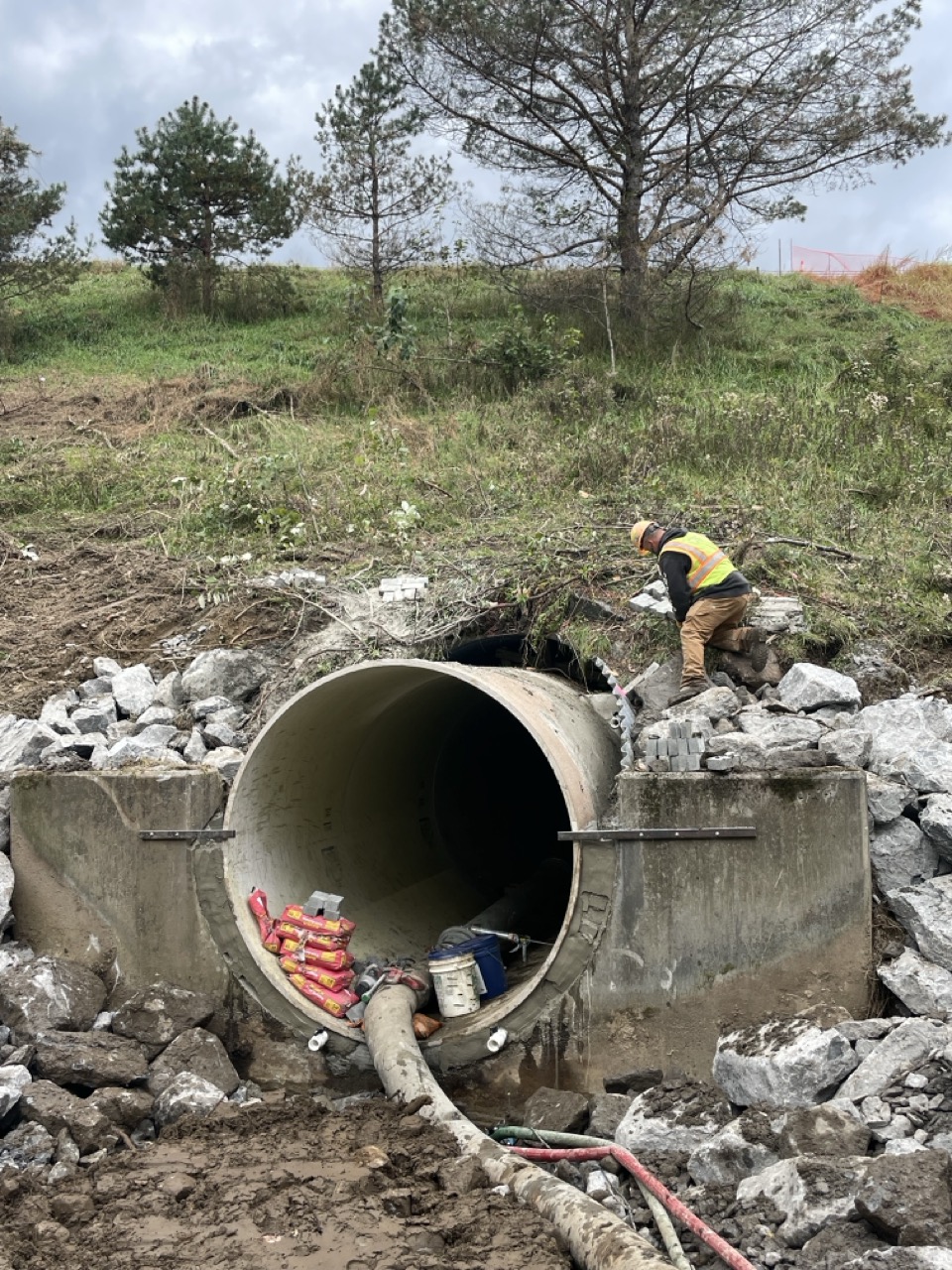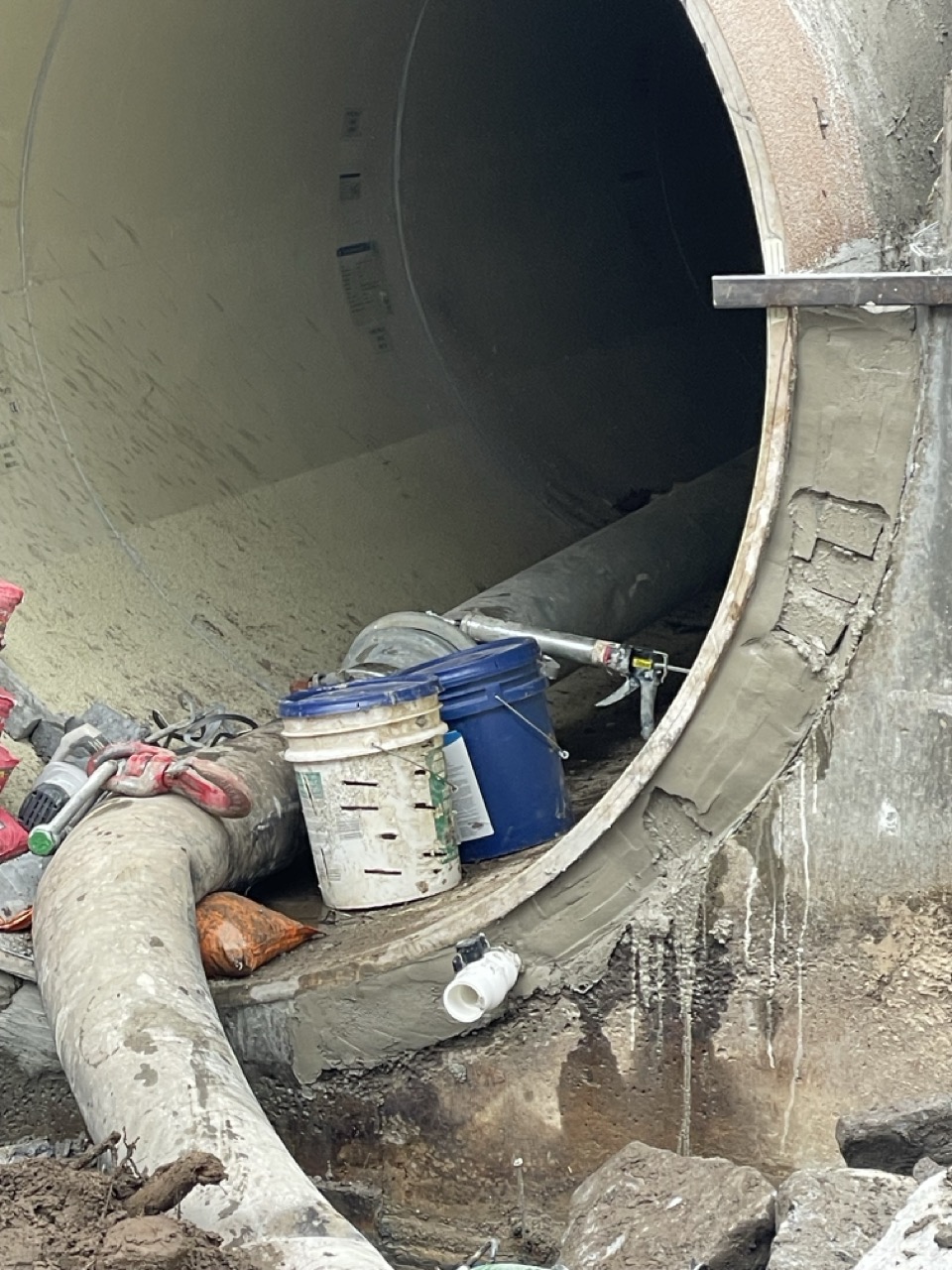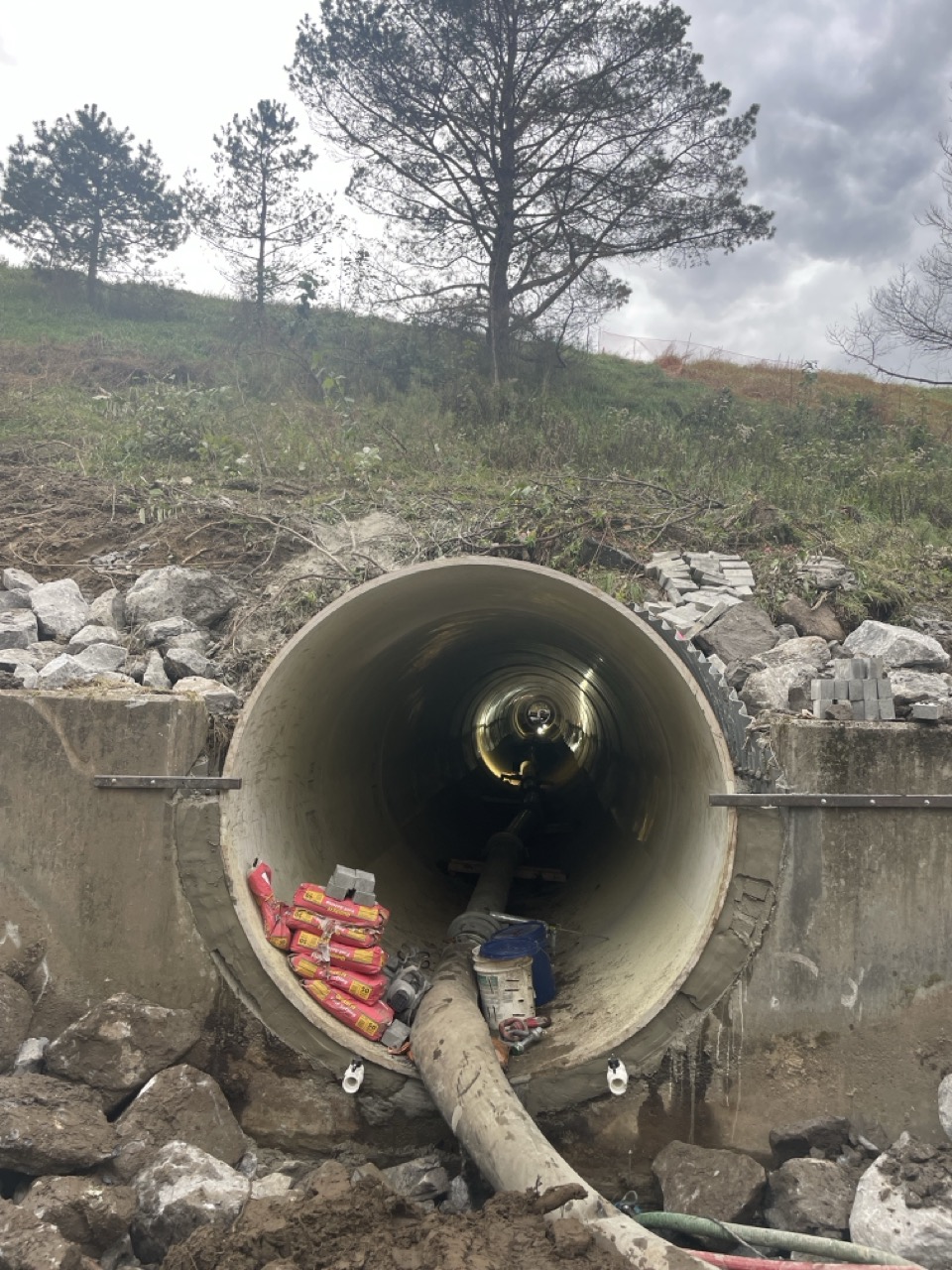
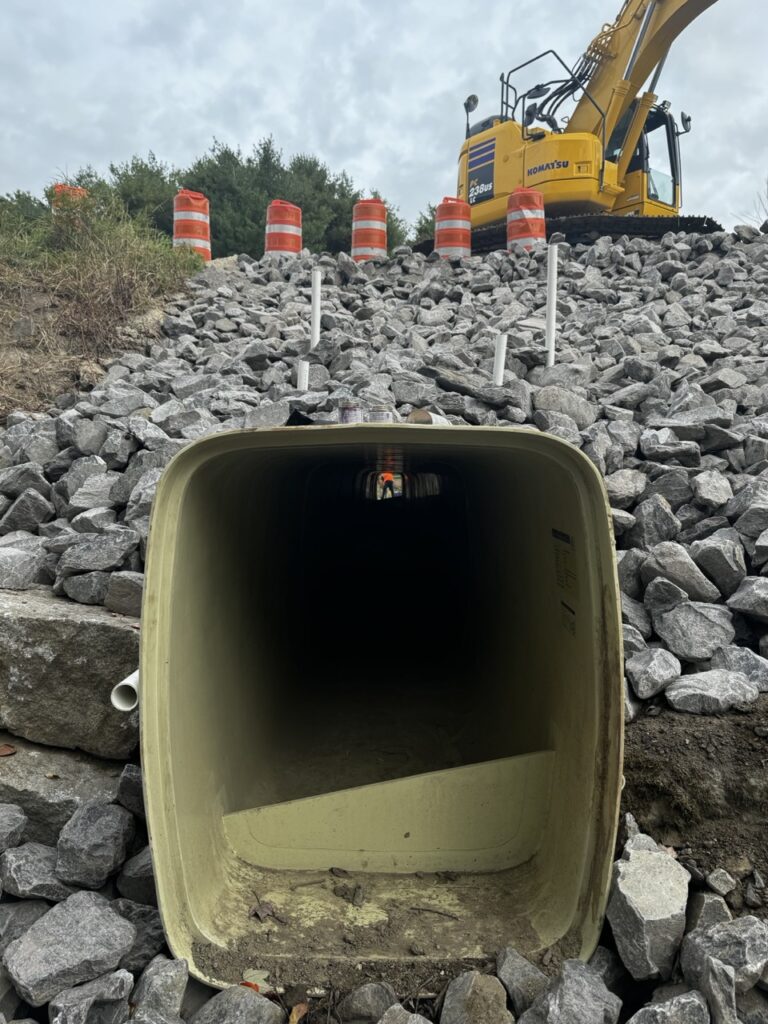
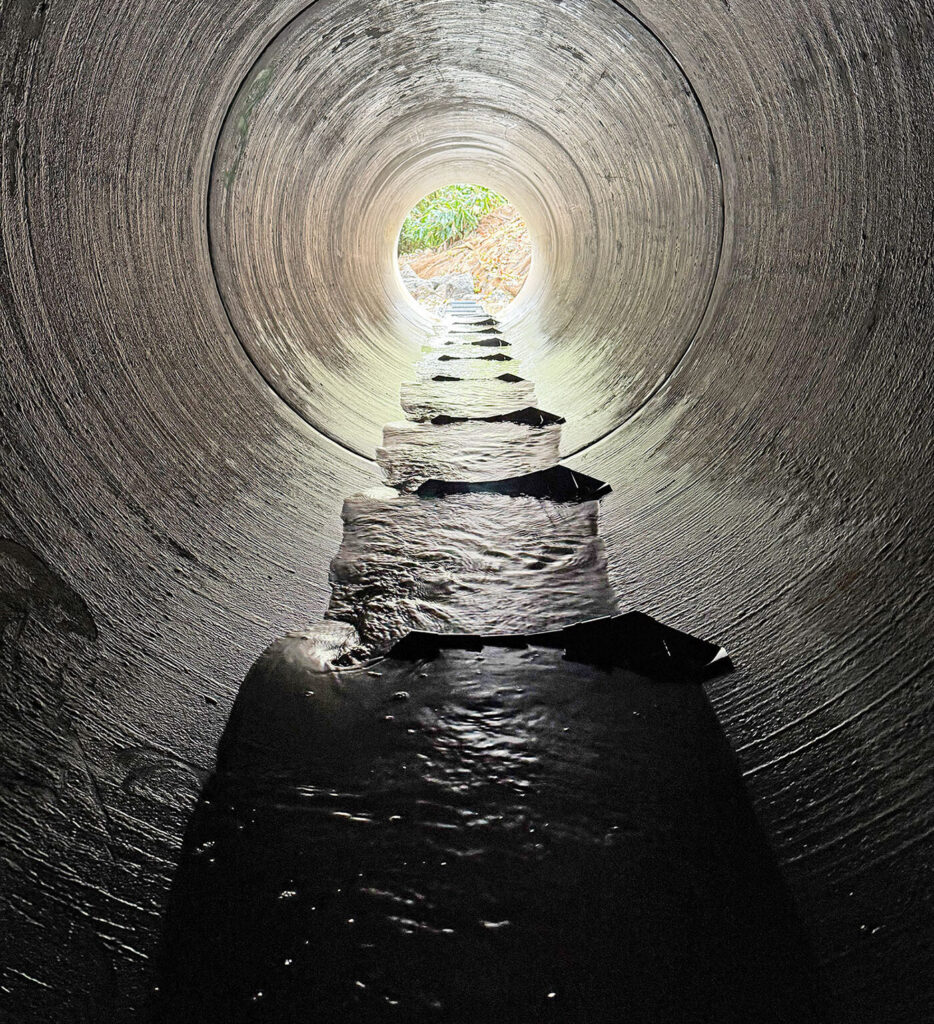
Fish Ladders & Aquatic Life Passage

Combined ShapeCreated with Sketch.

Restoring Aquatic Habitat While Protecting Public Infrastructure

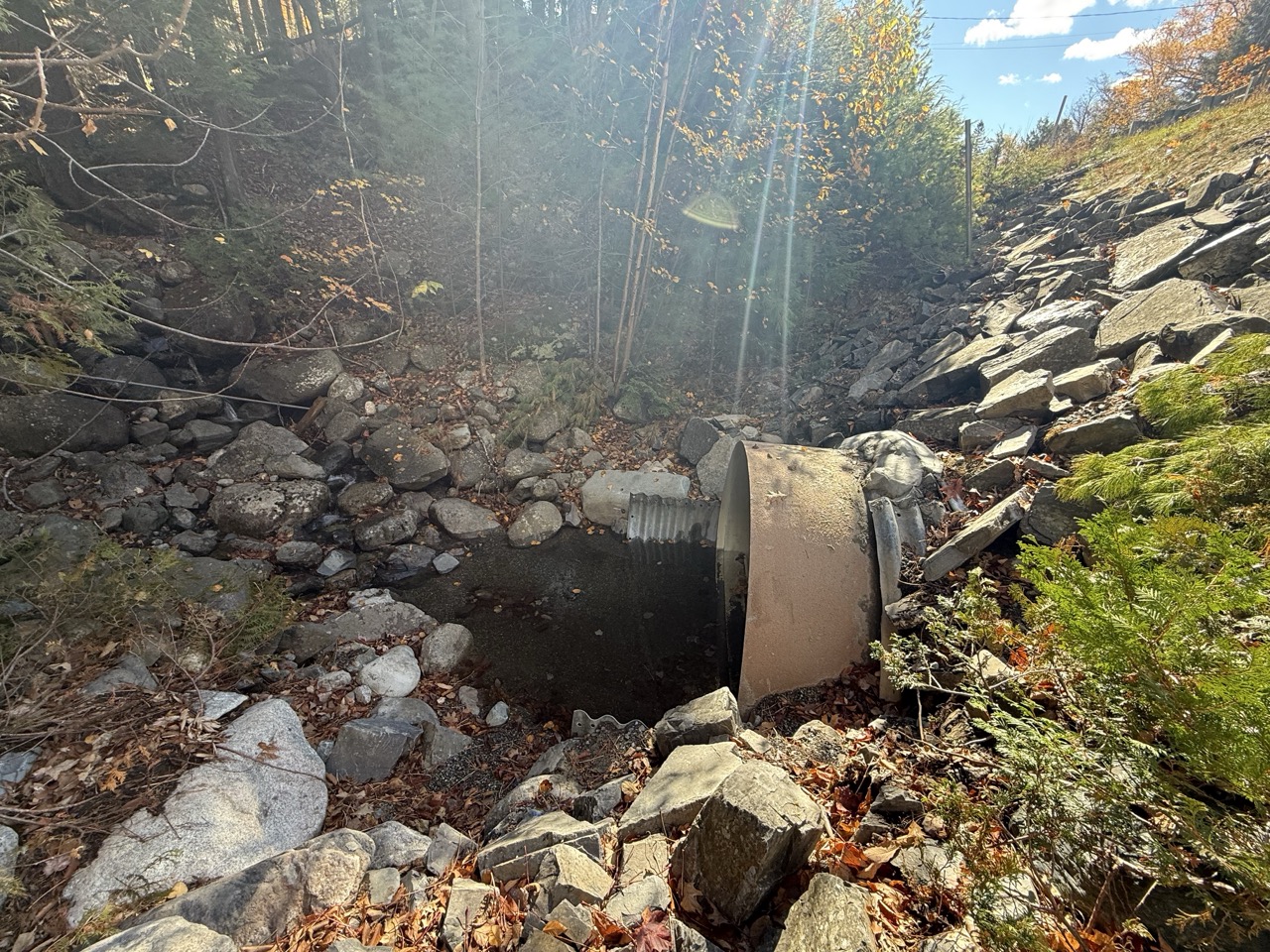
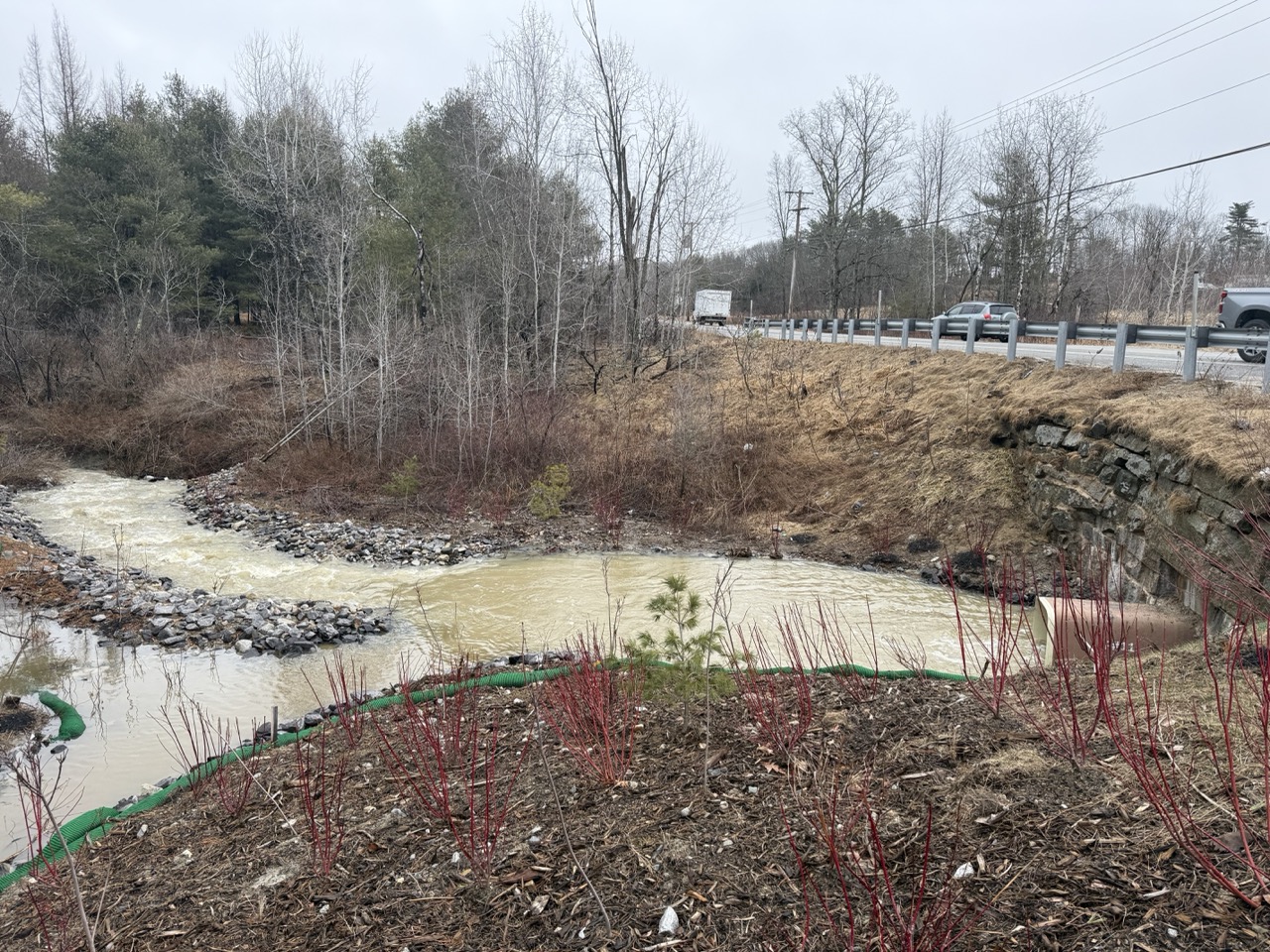
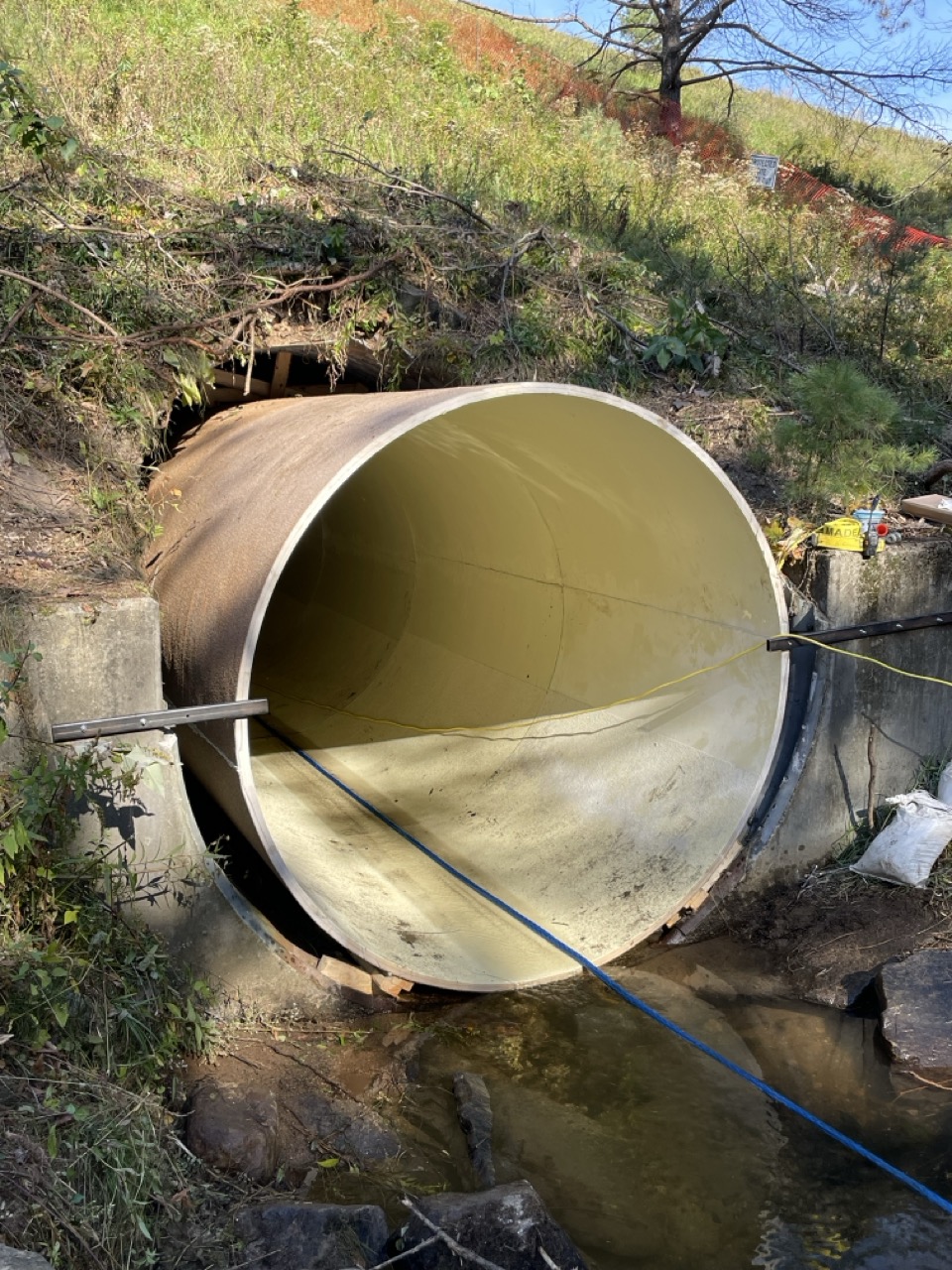
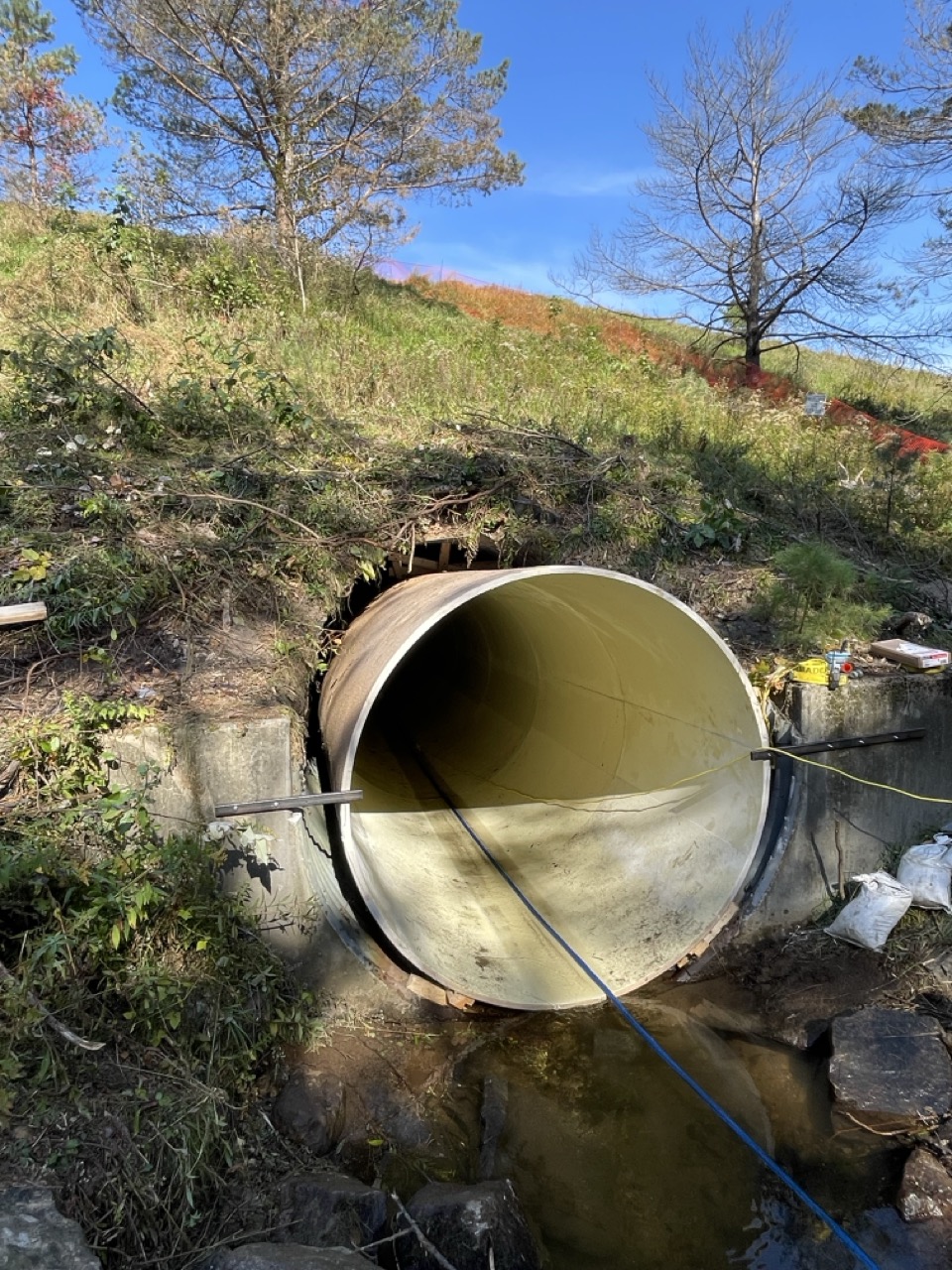
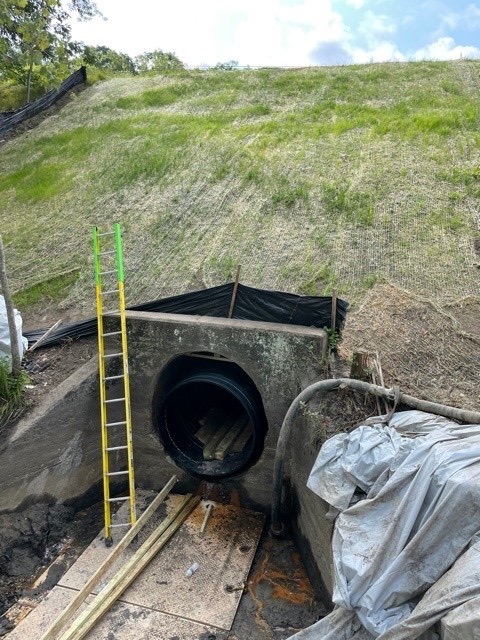
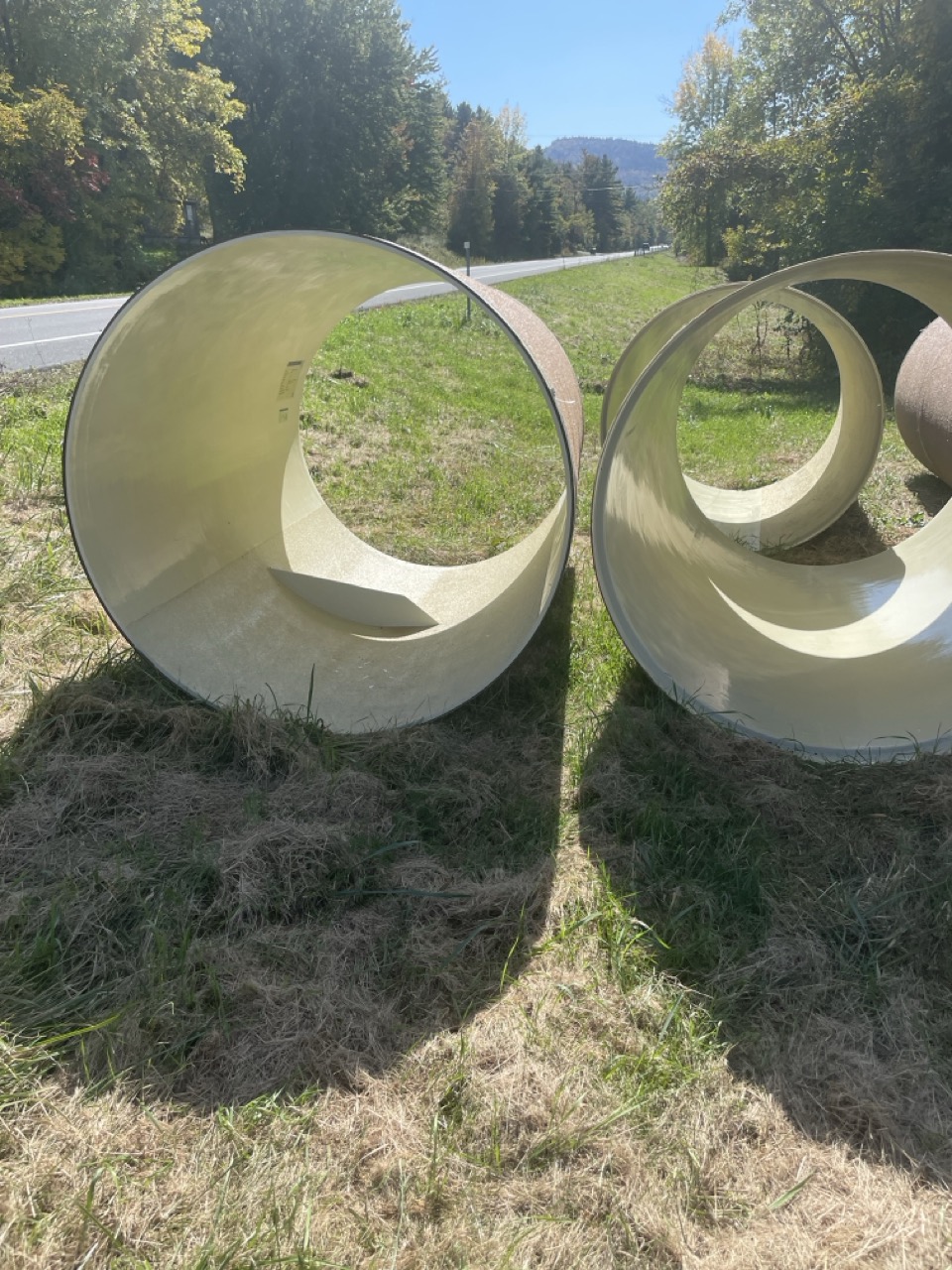
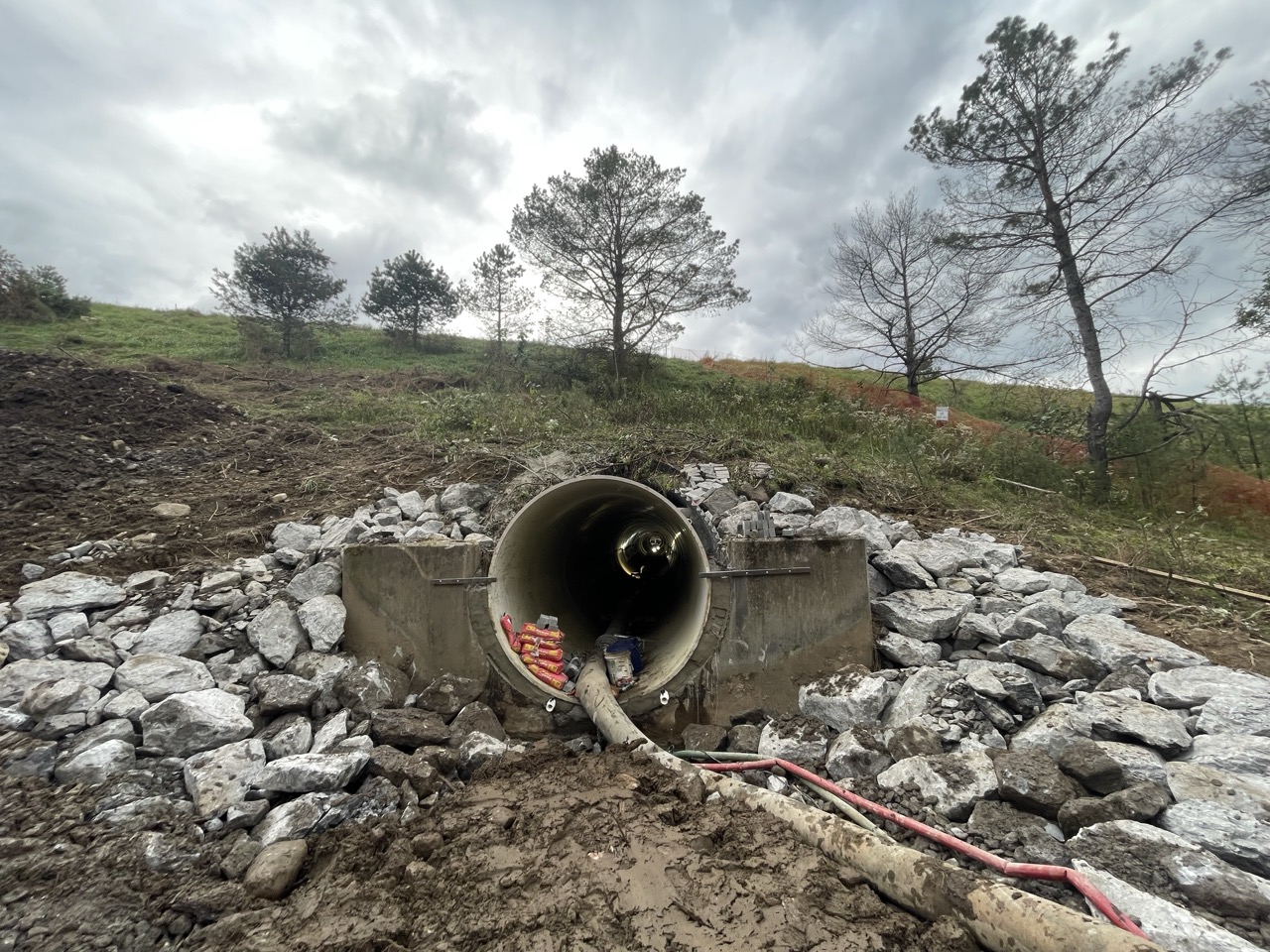
Fish ladders and aquatic life baffles are engineered environmental solutions designed to restore natural stream connectivity while maintaining the structural integrity of culverts, sewer systems, and roadway crossings. Across the Northeast and throughout the country, aging infrastructure and undersized culverts have unintentionally created barriers to fish migration, increased erosion, and contributed to environmental degradation.

DL VEWS partners with municipalities, engineers, and contractors to implement fish ladder systems, aquatic life baffles, and flow-control technologies that protect the environment while keeping necessary roads and public infrastructure safe. Our approach balances habitat restoration, hydraulic performance, regulatory compliance, and long-term structural reliability.

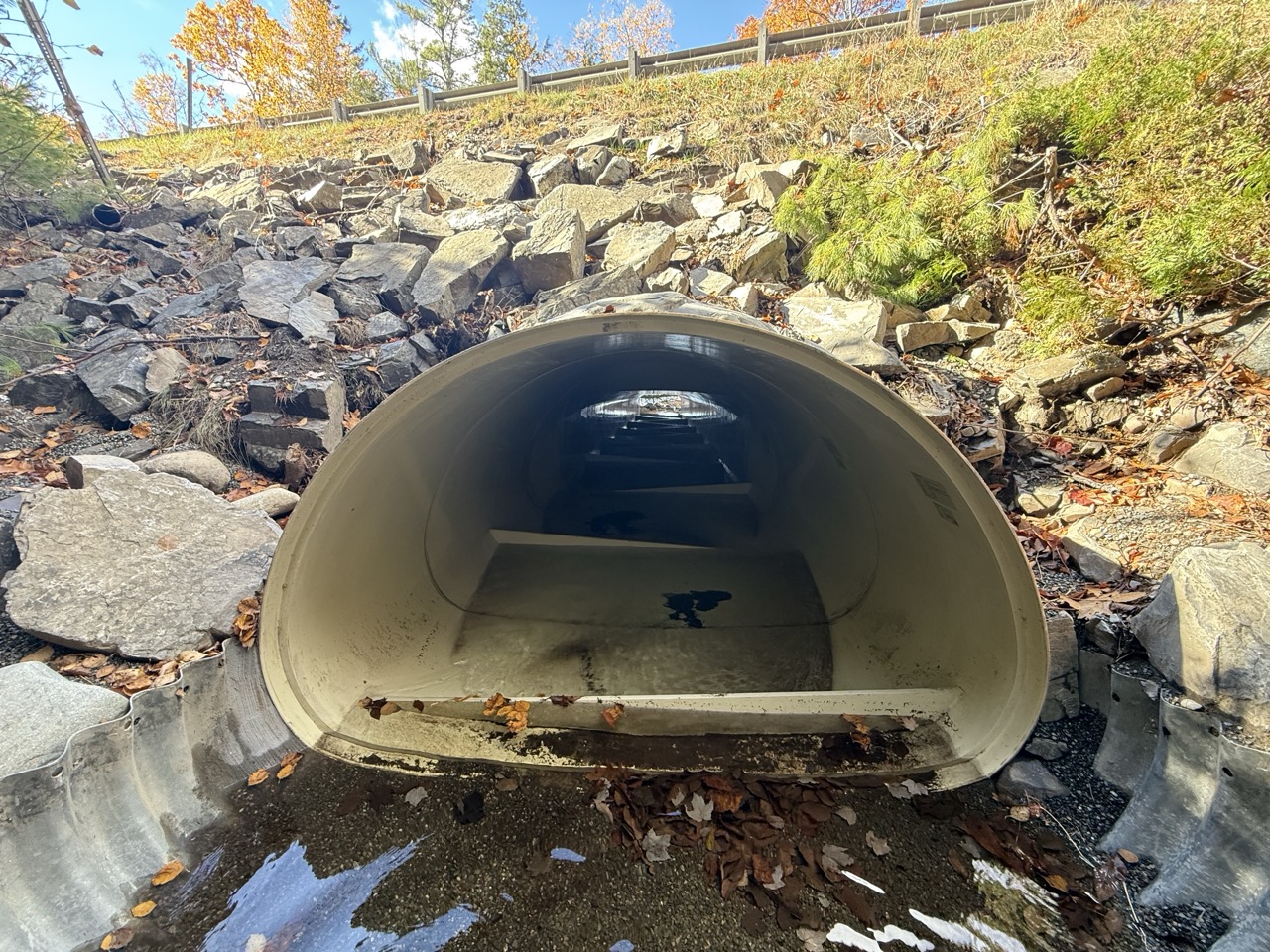
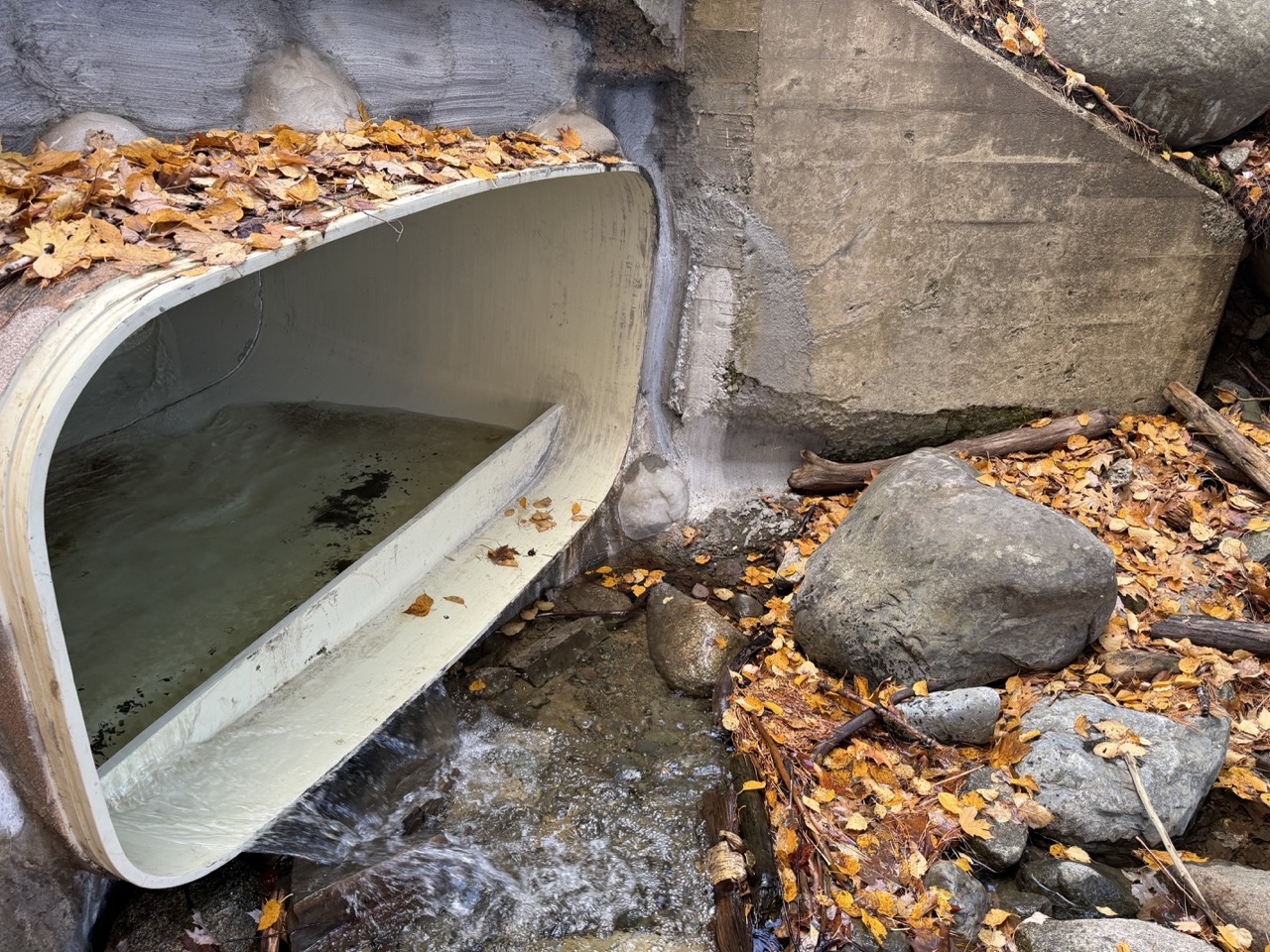
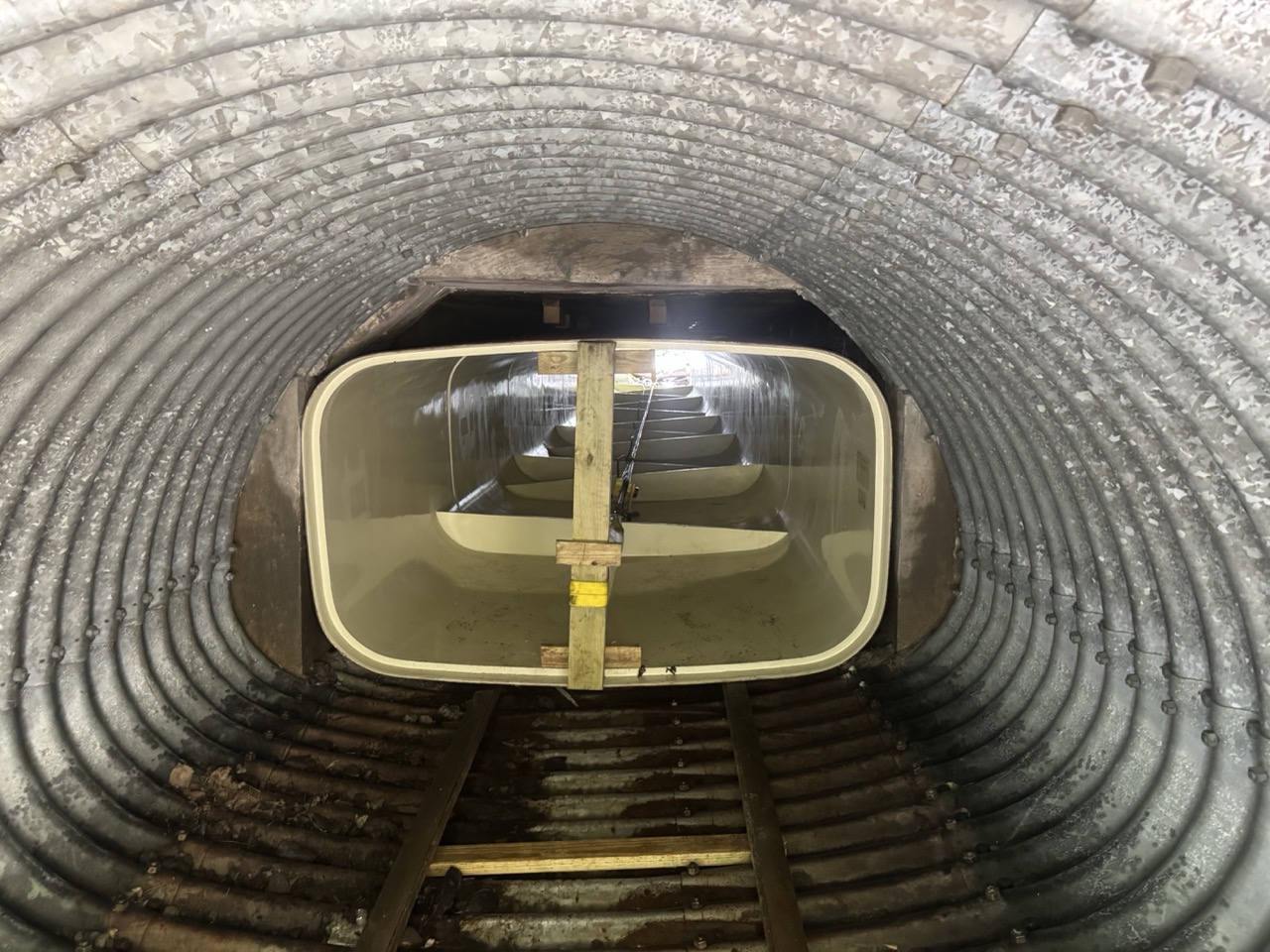
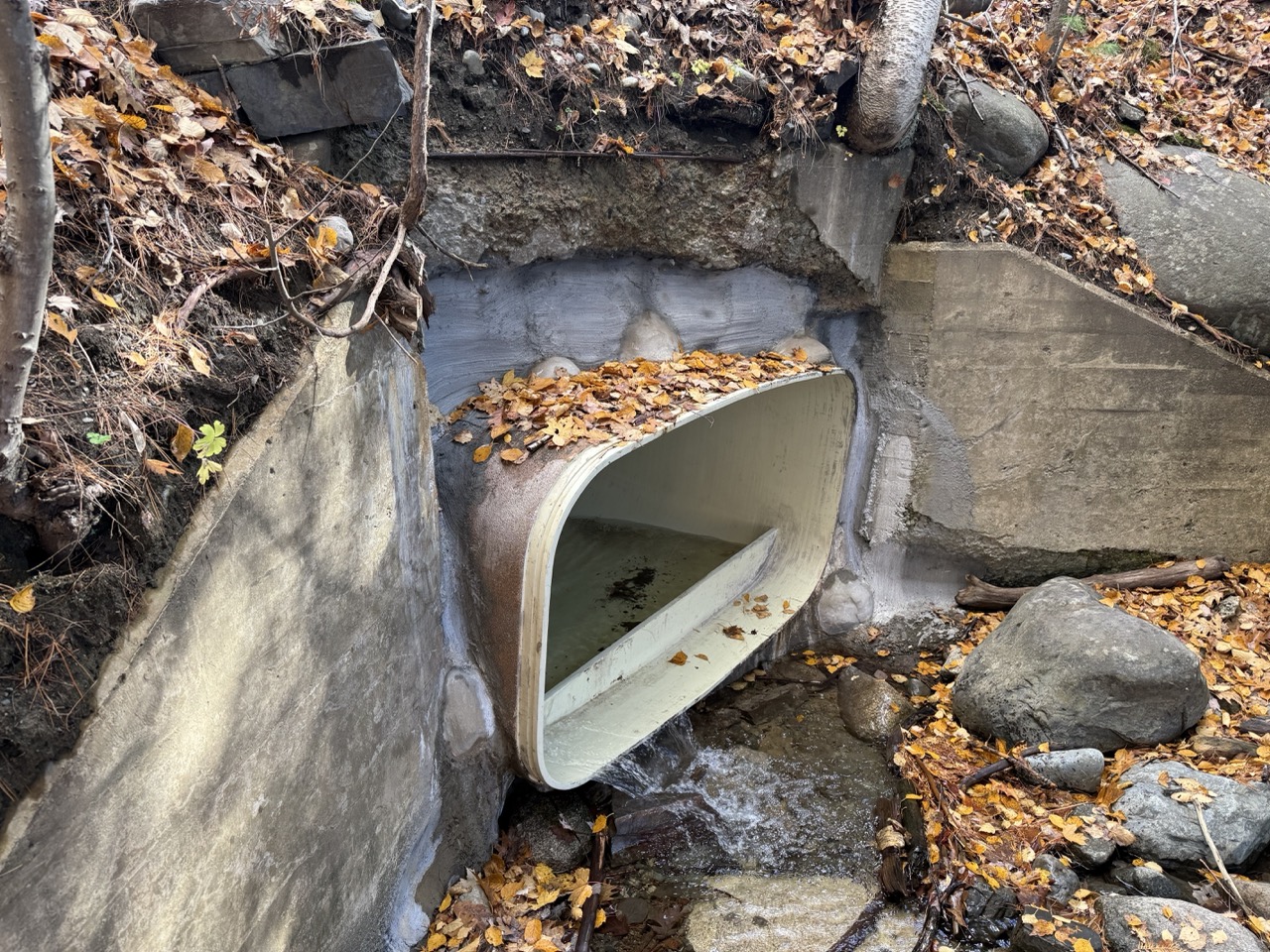
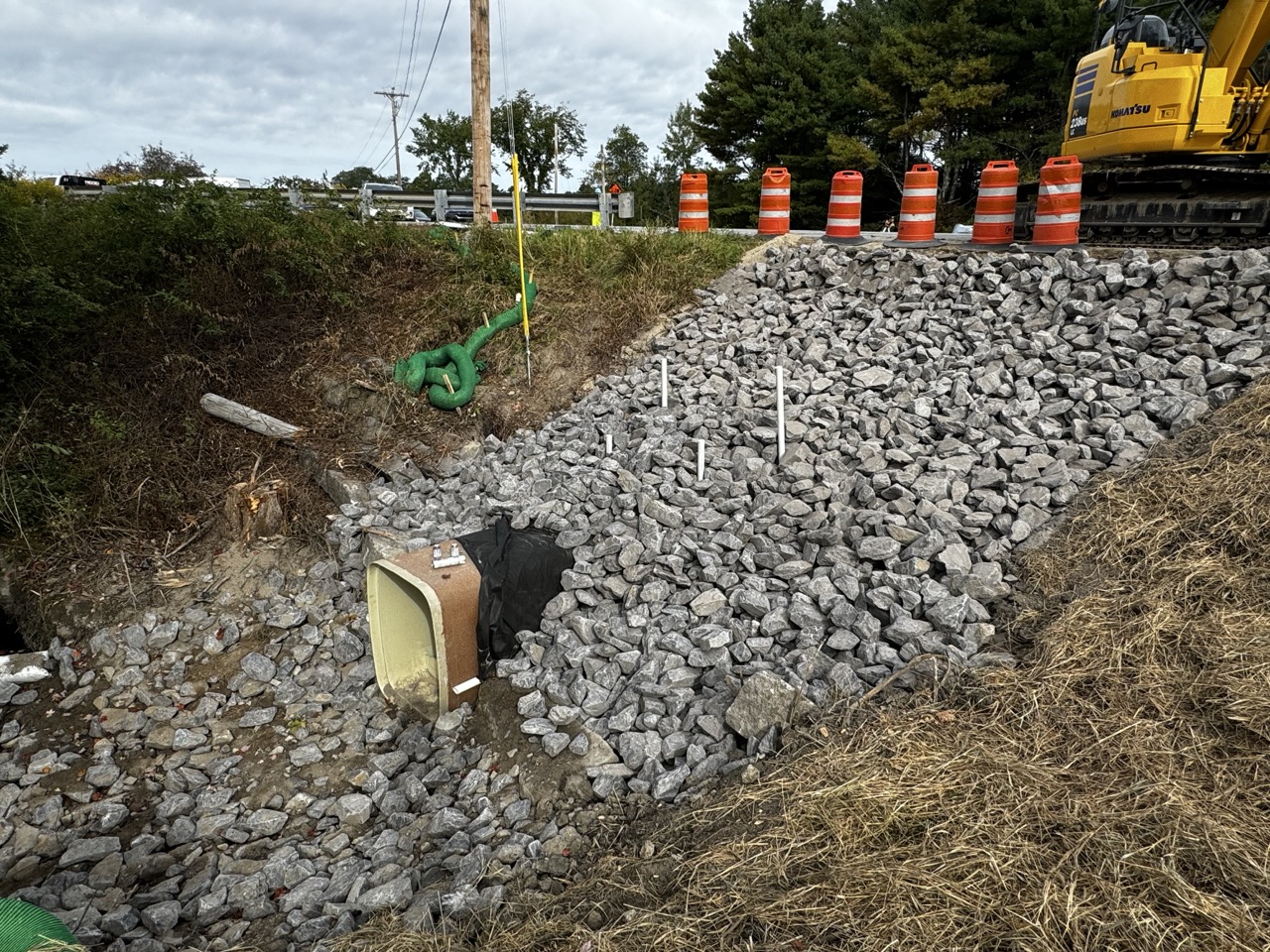
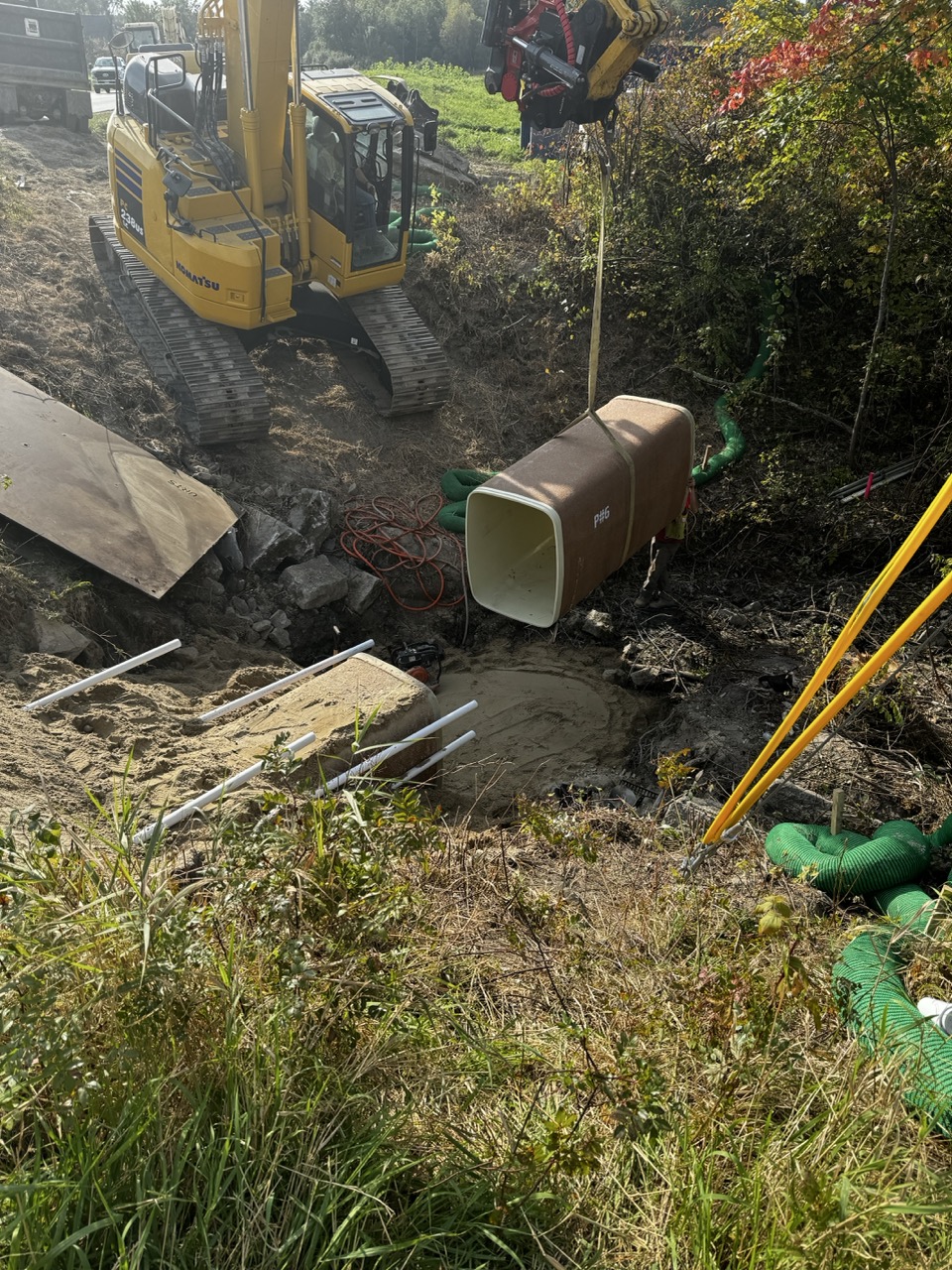
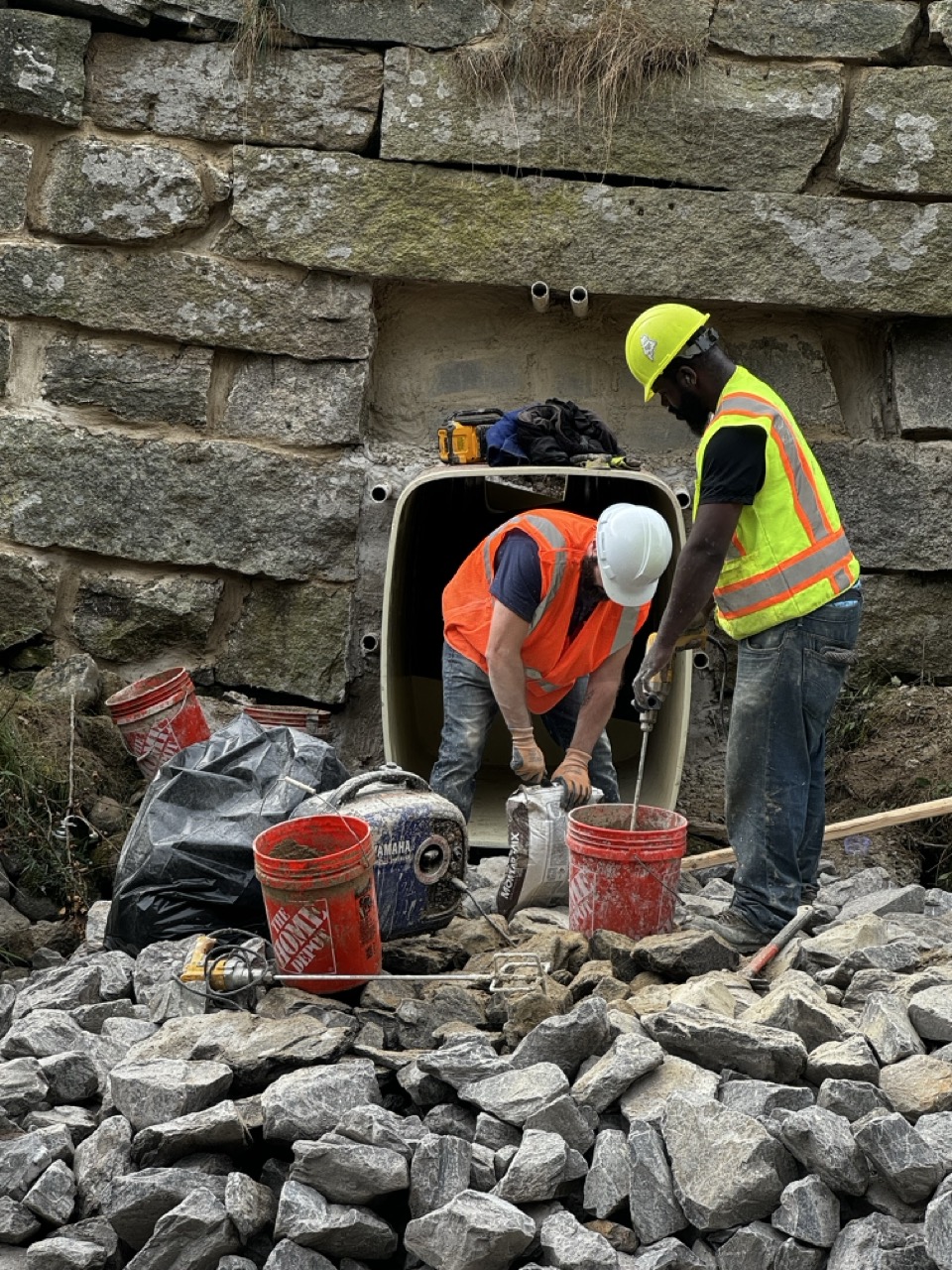
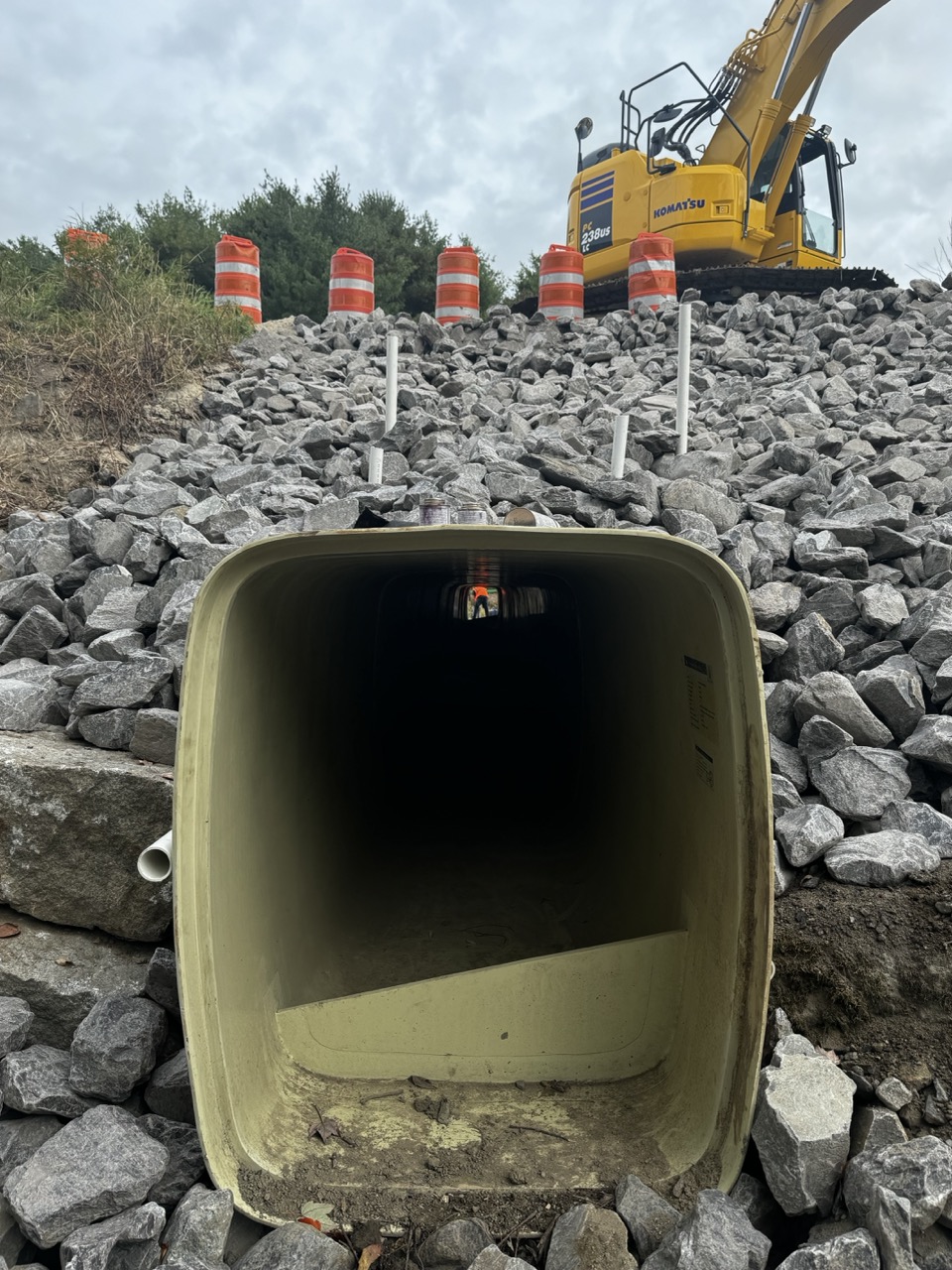
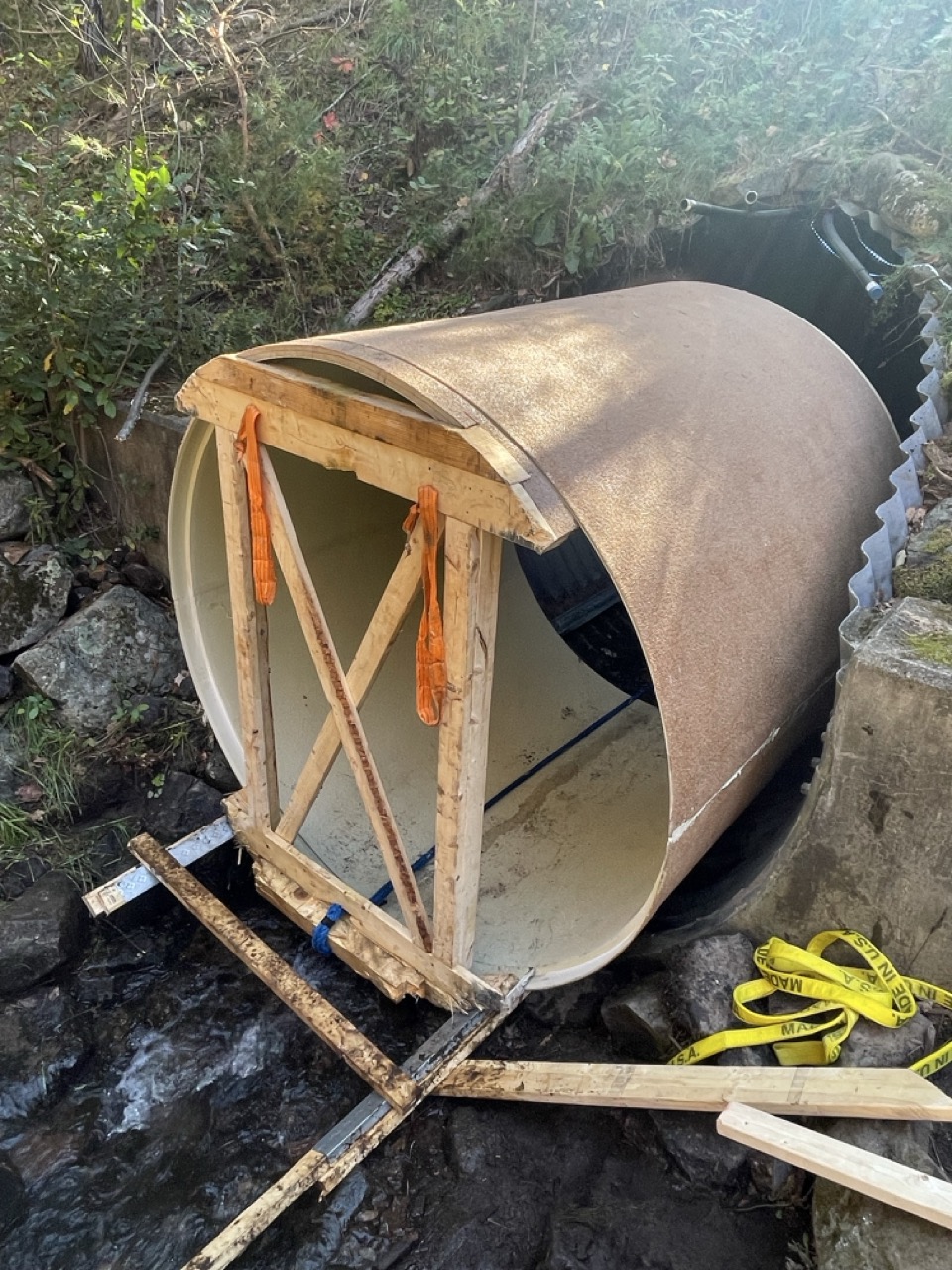
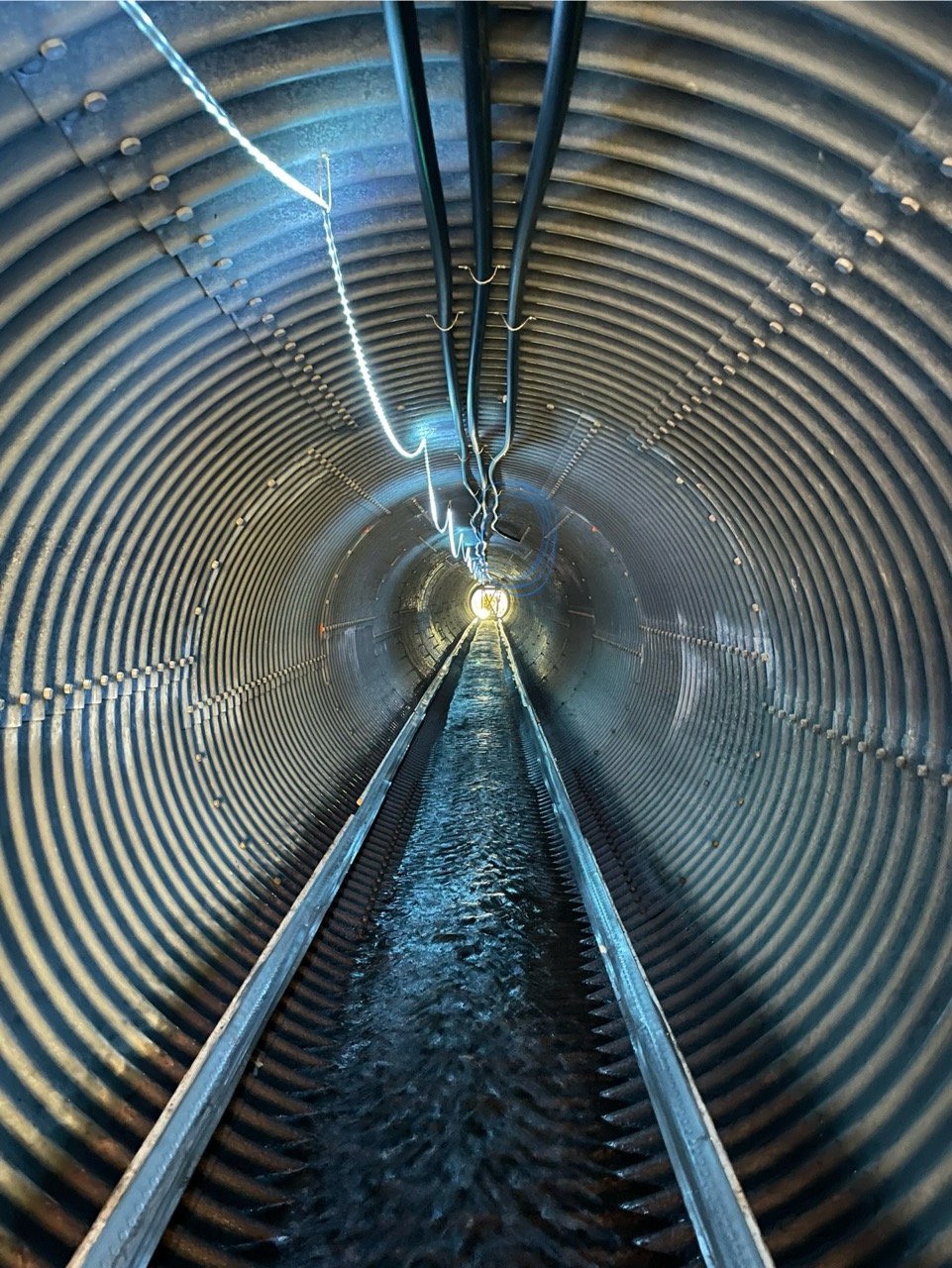
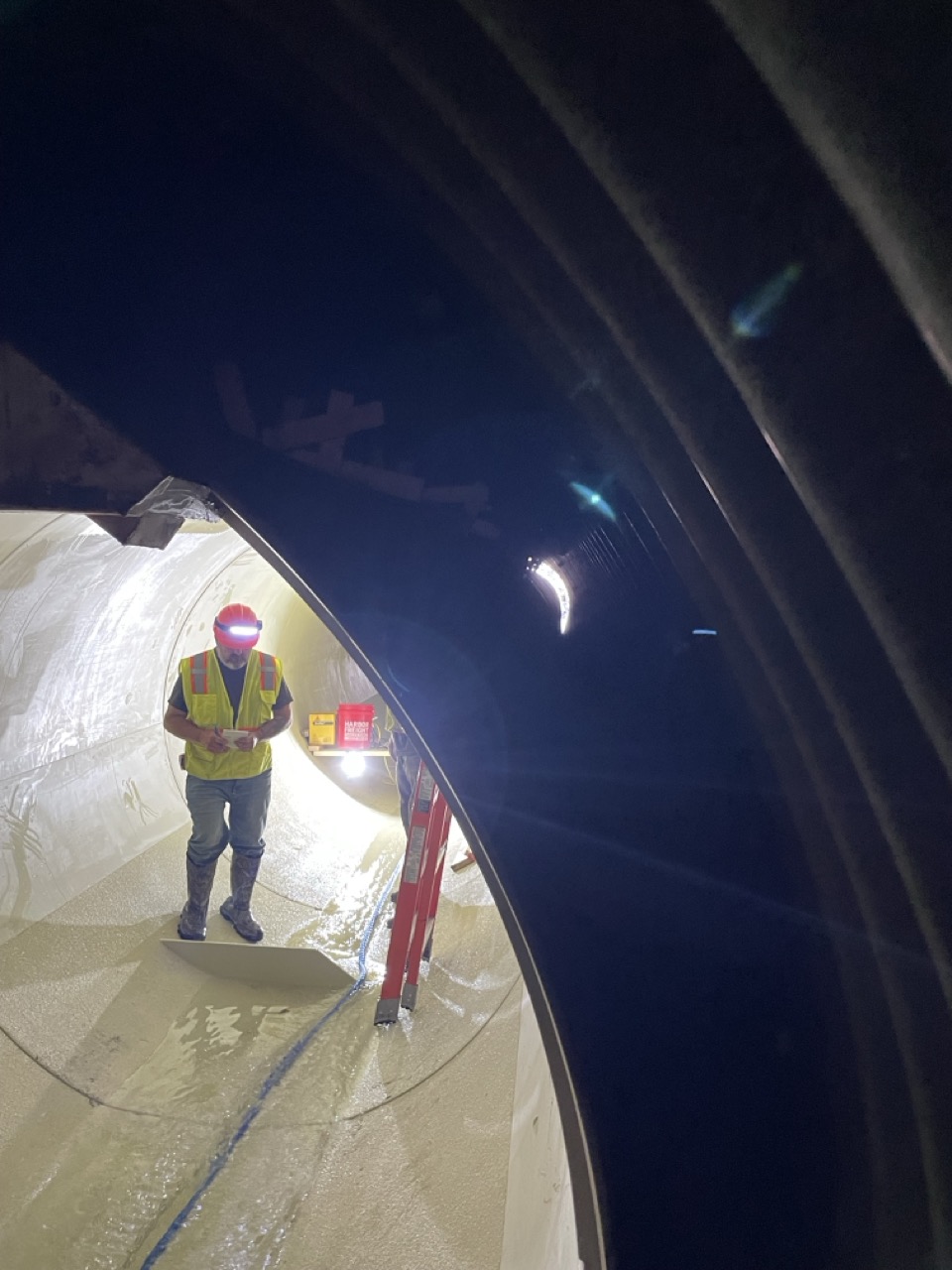
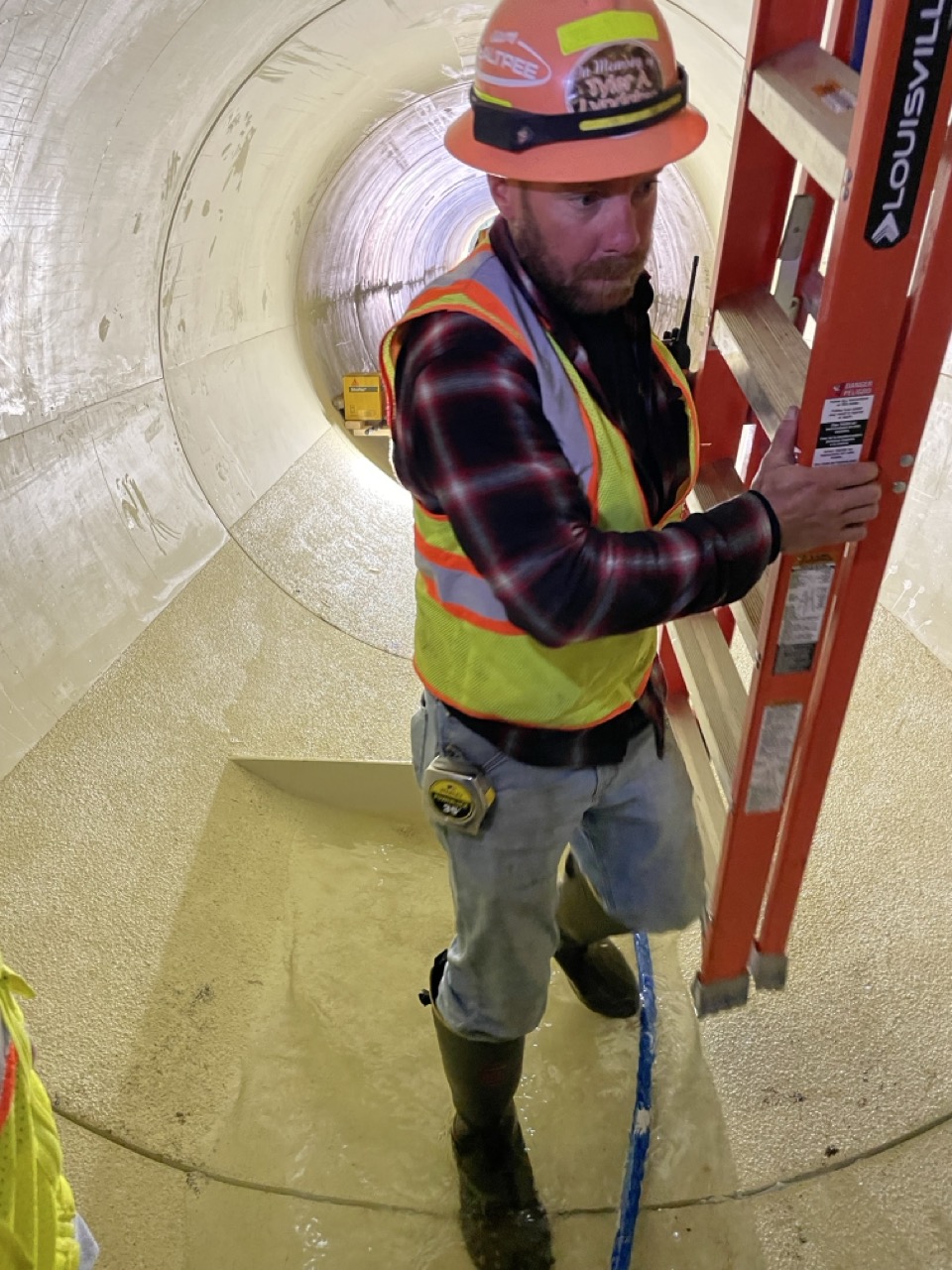
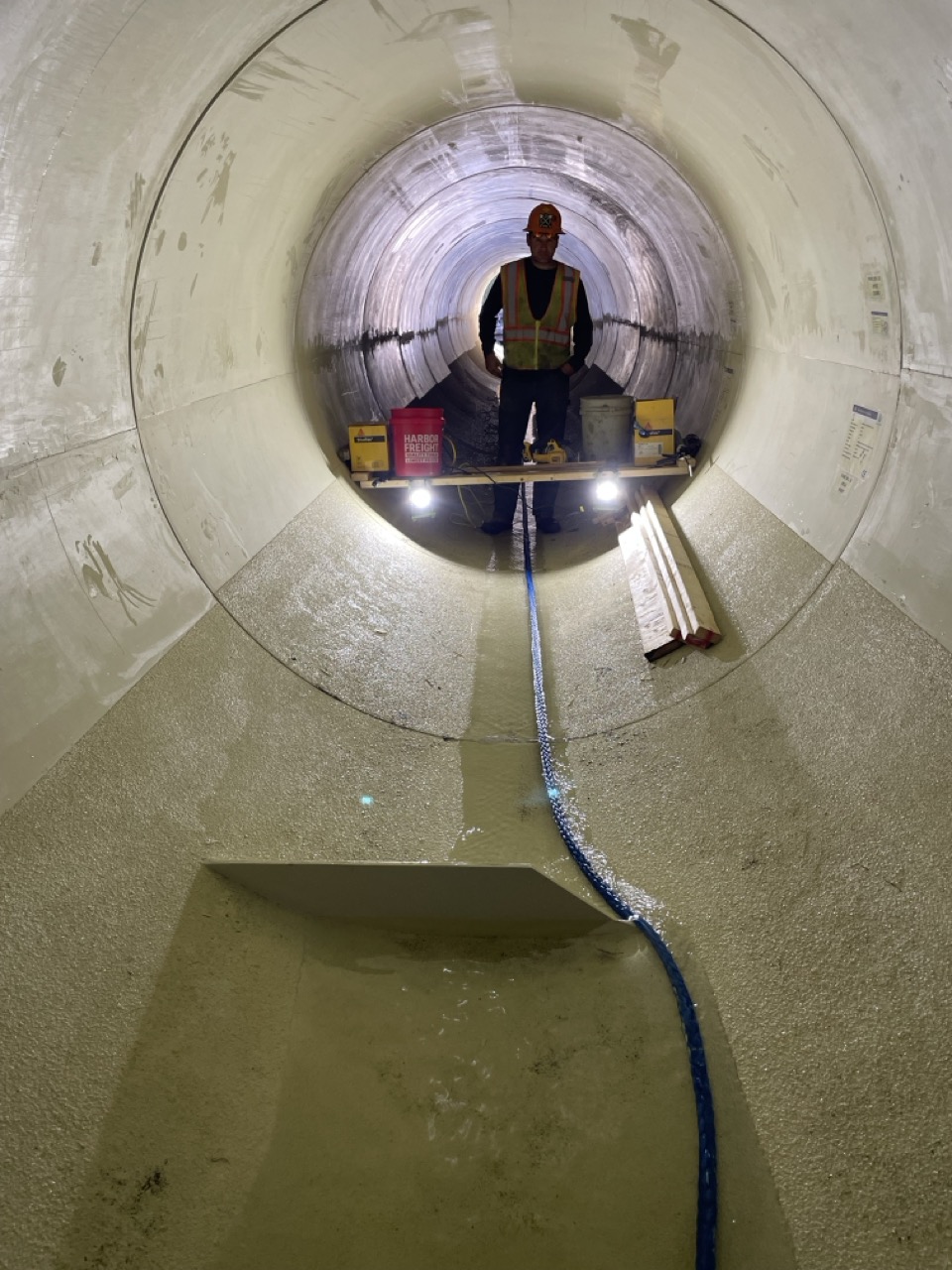
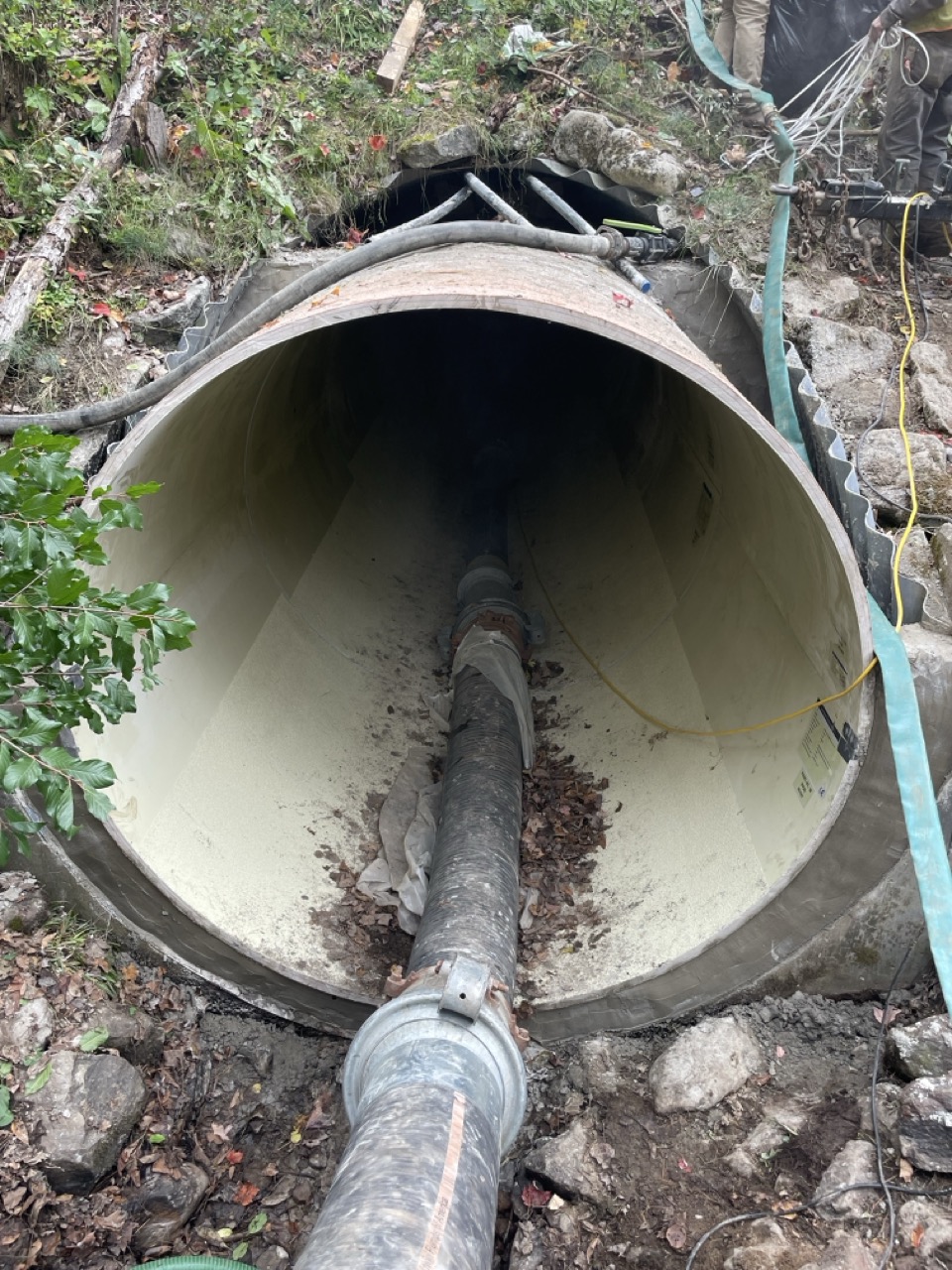
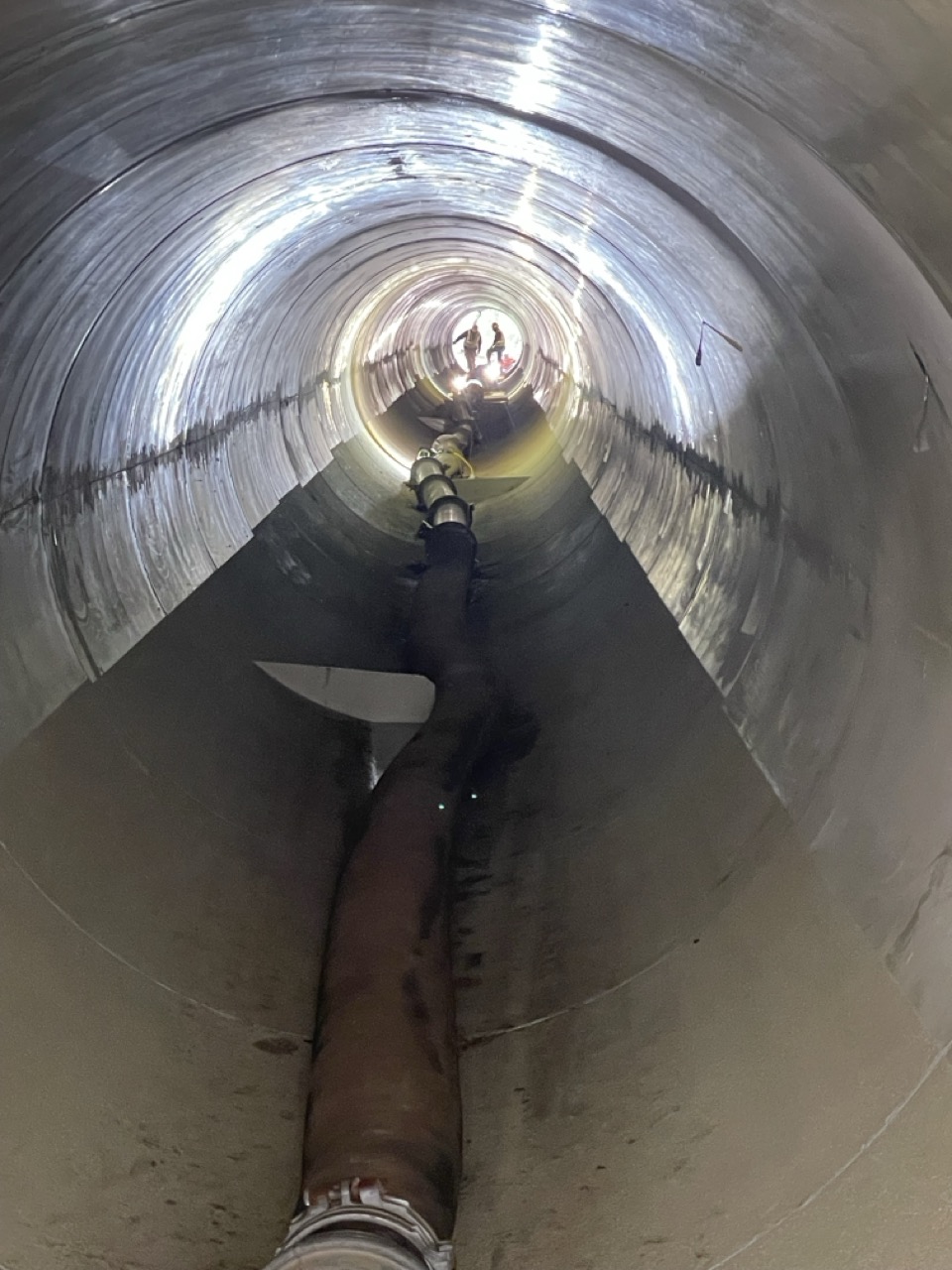
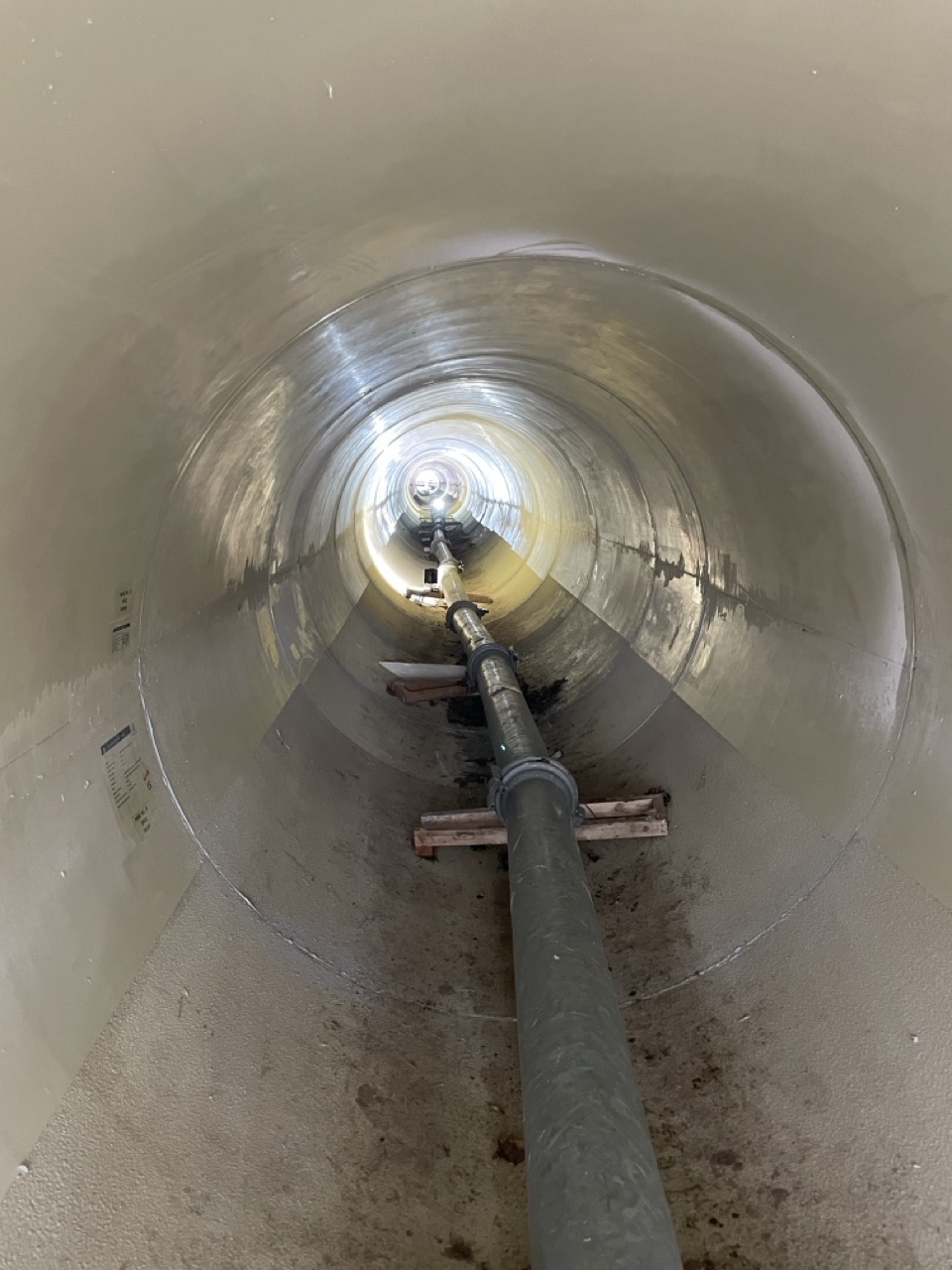
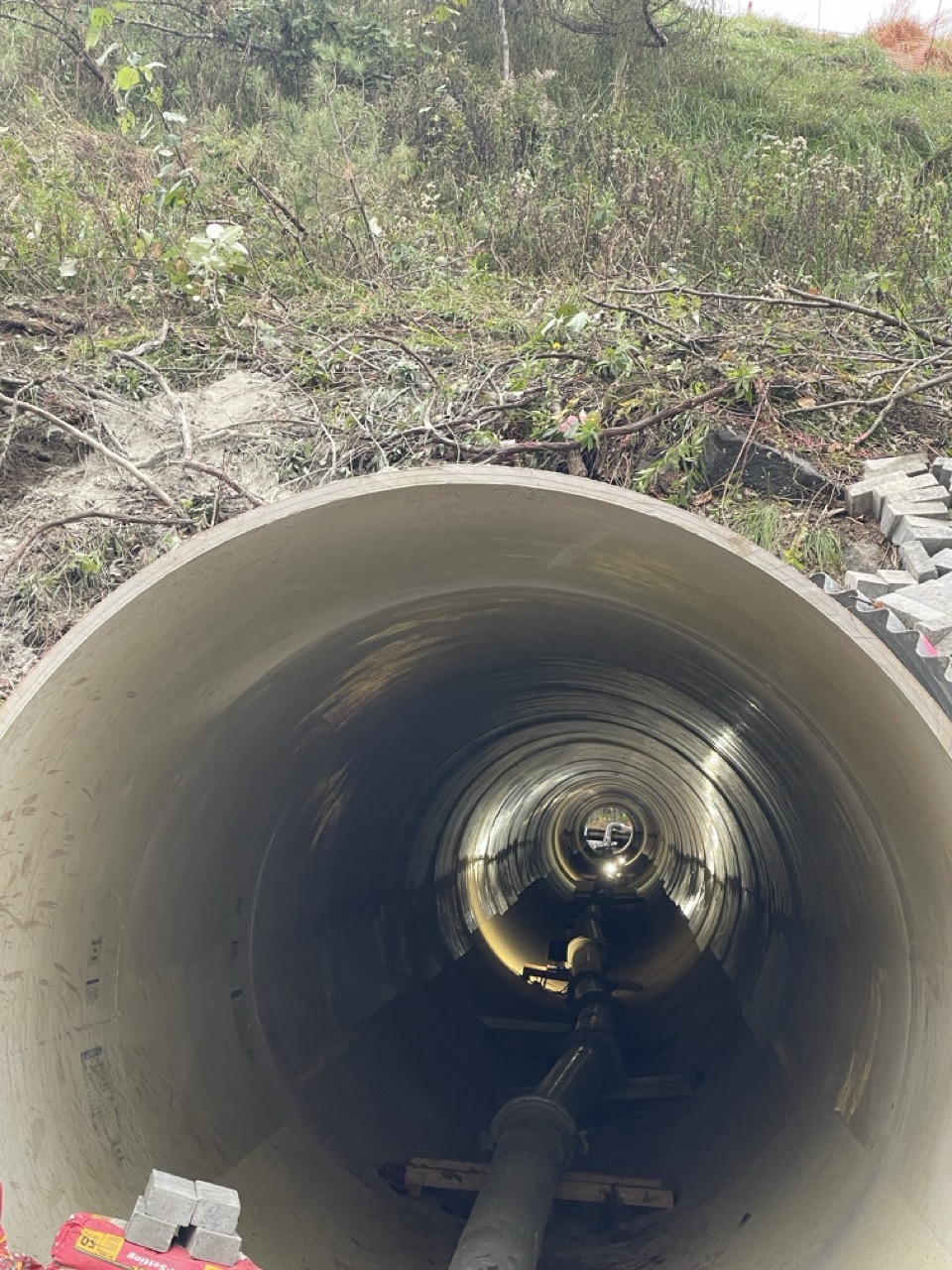
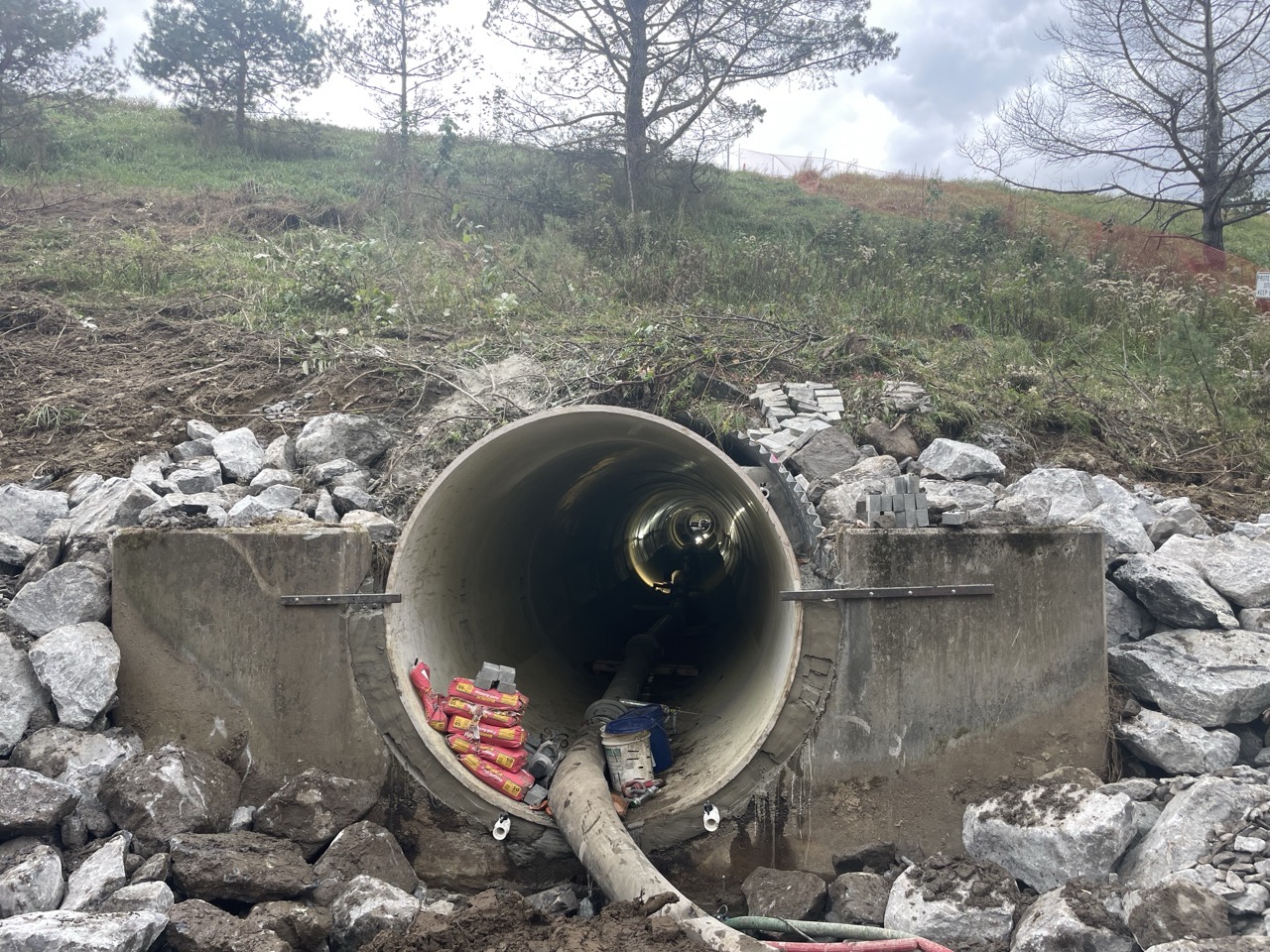
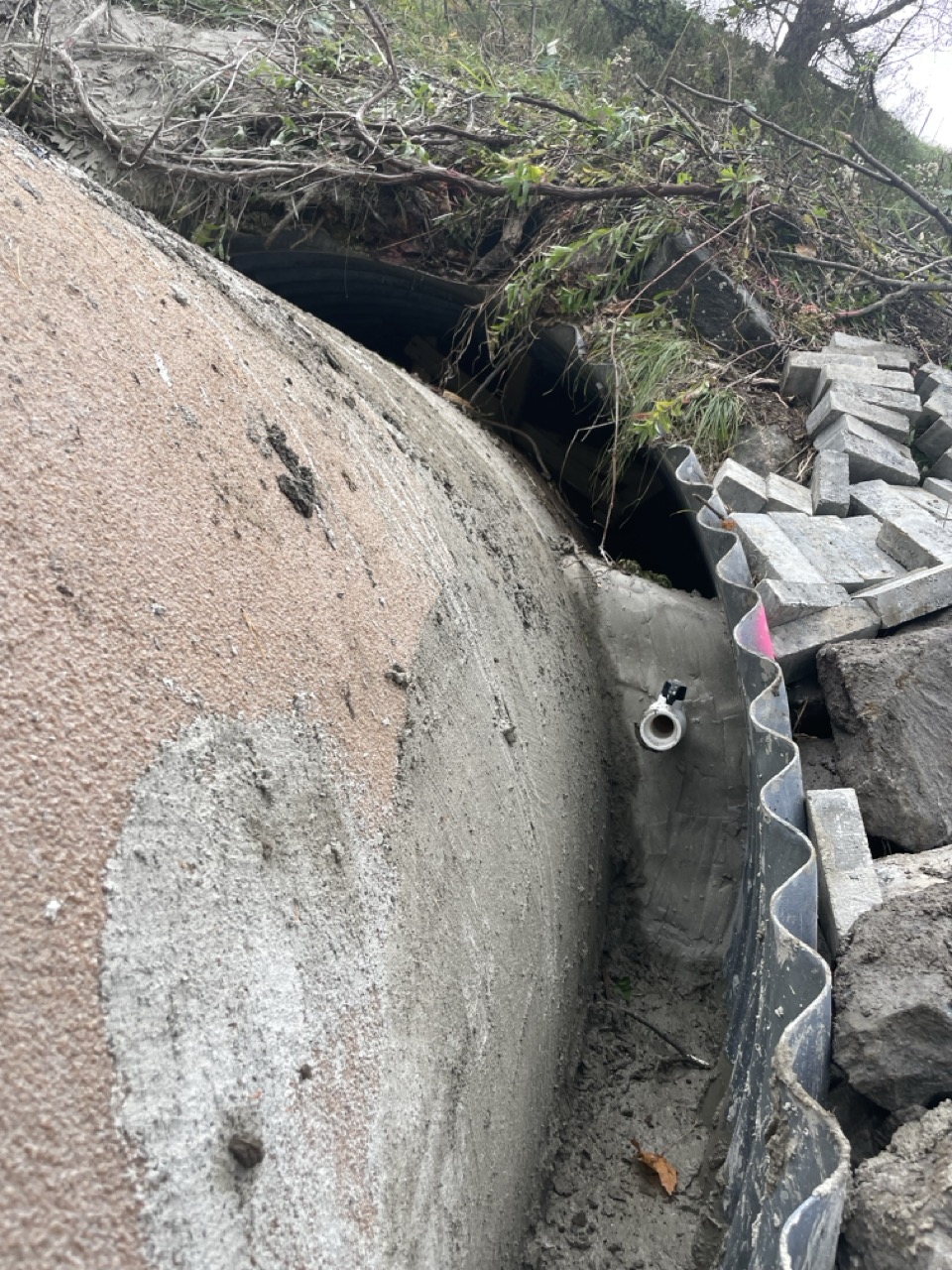
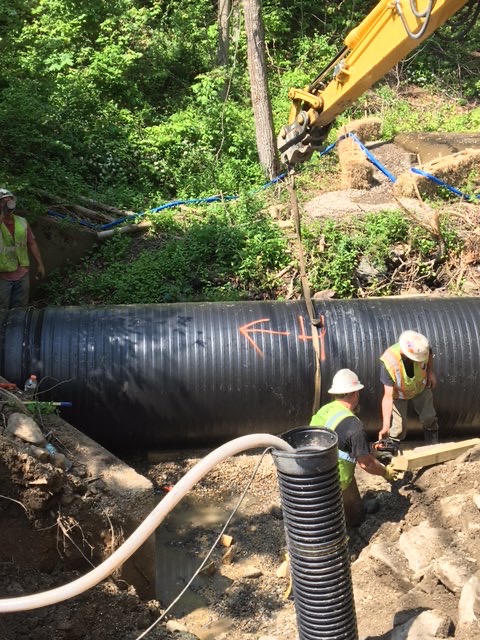
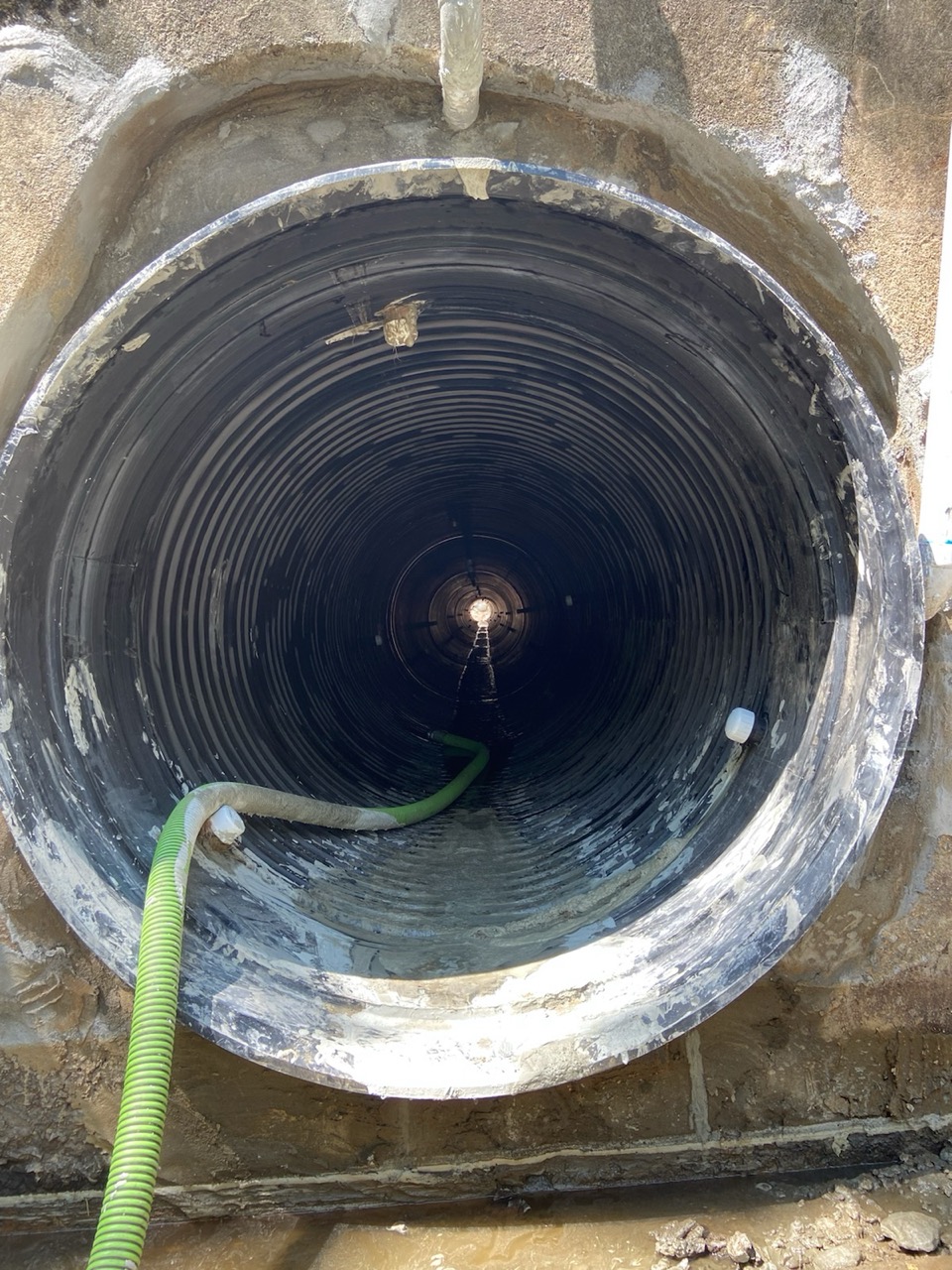
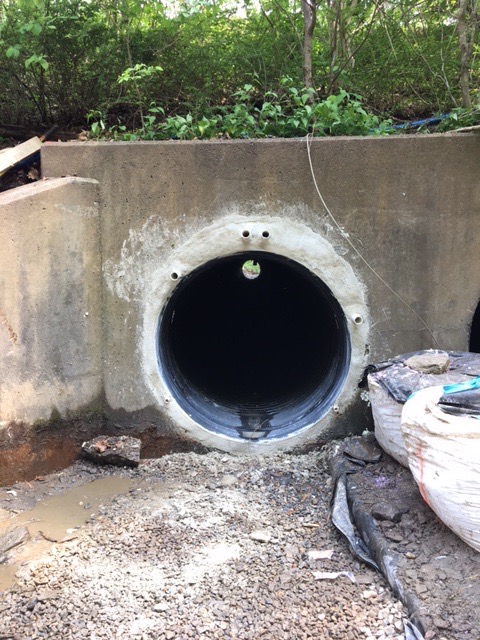
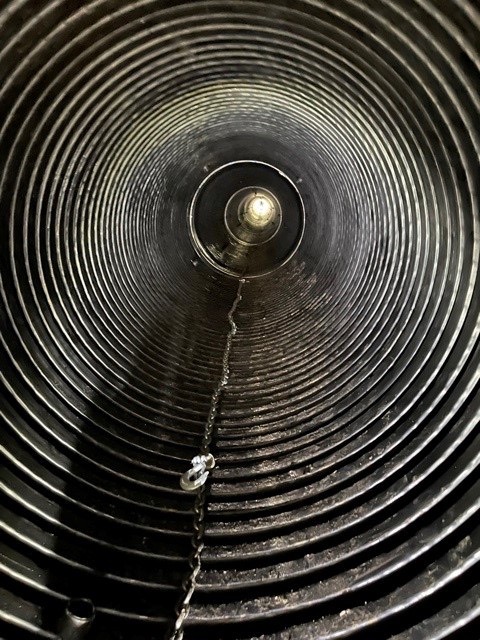
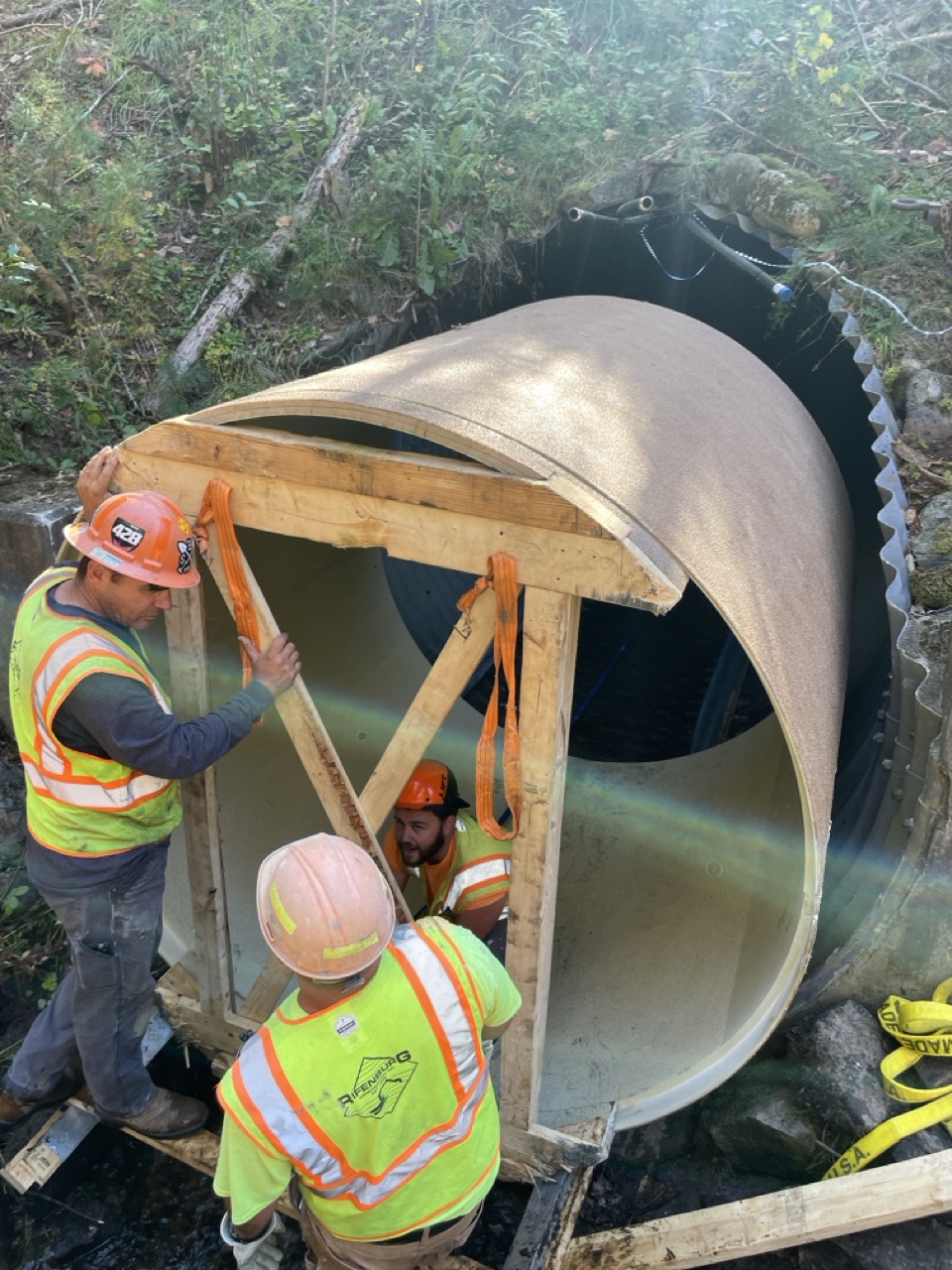
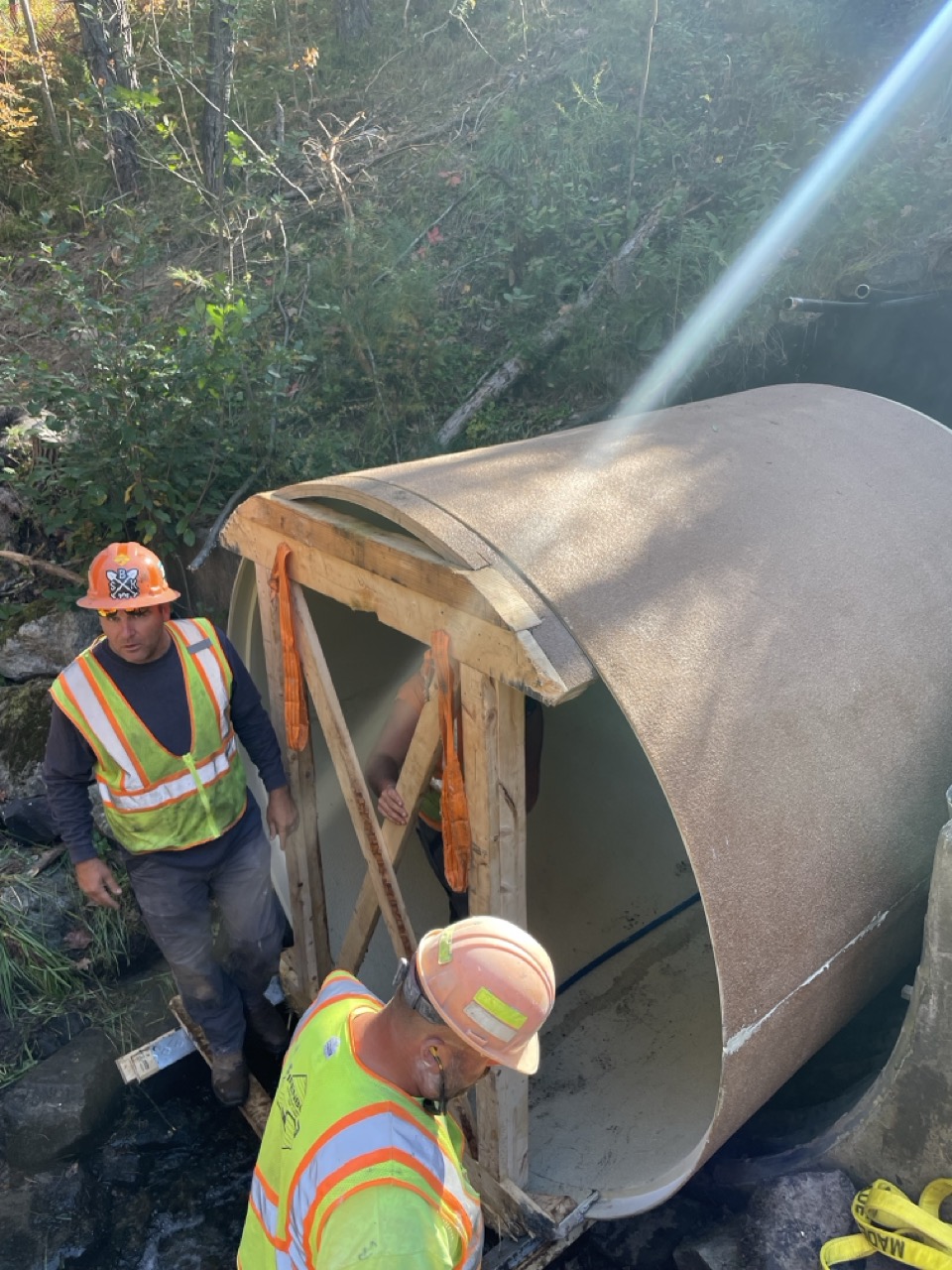
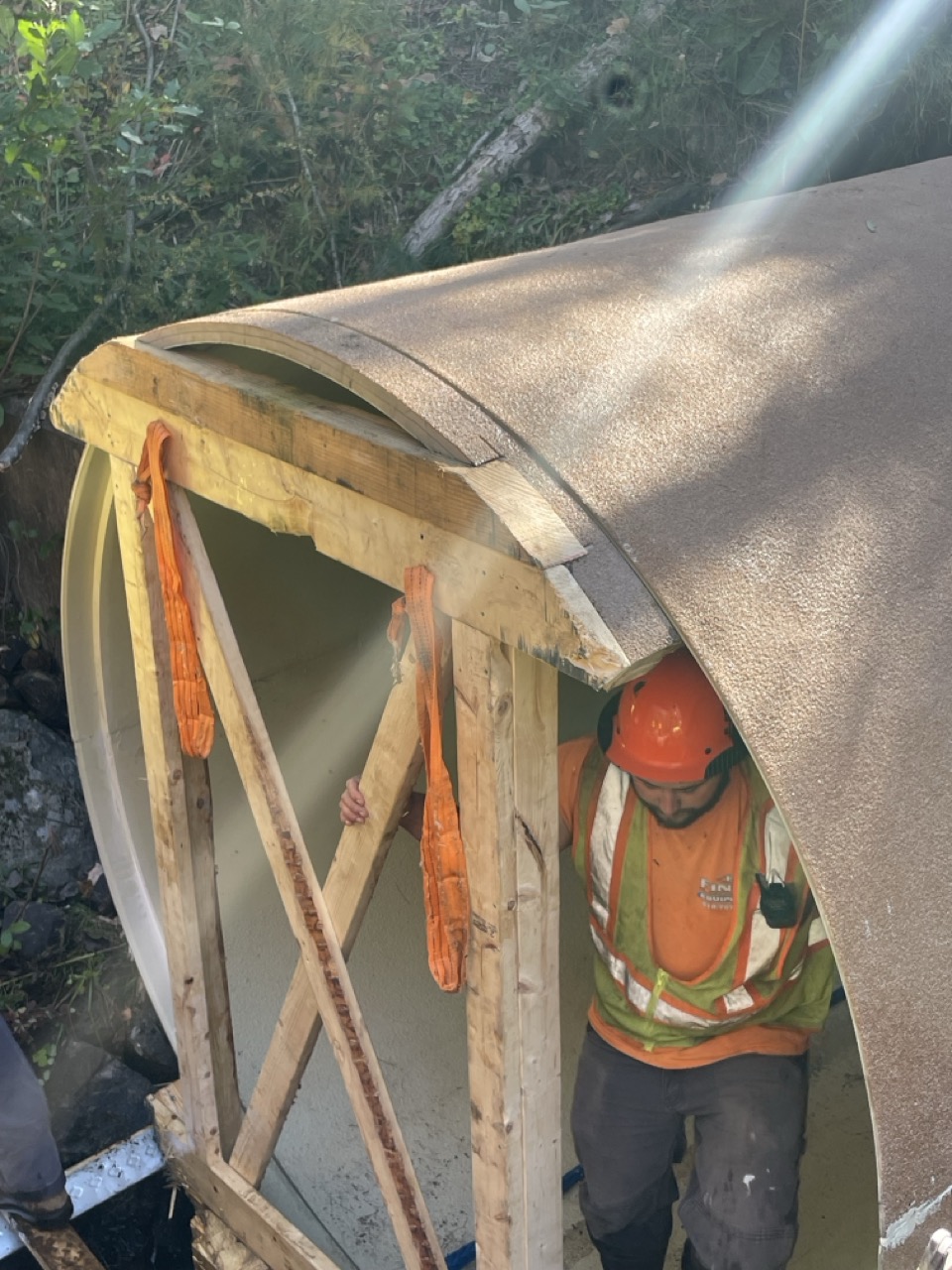
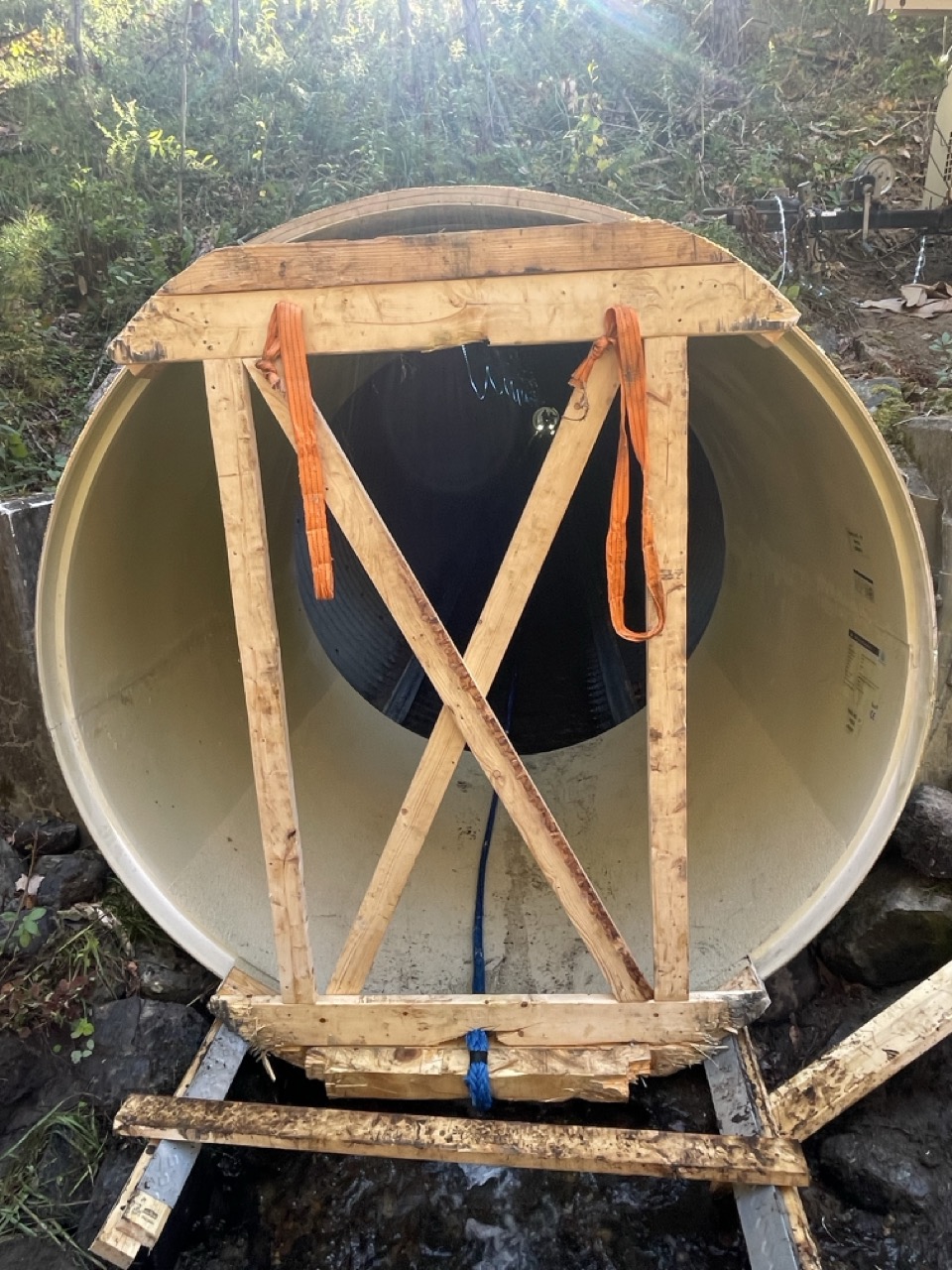
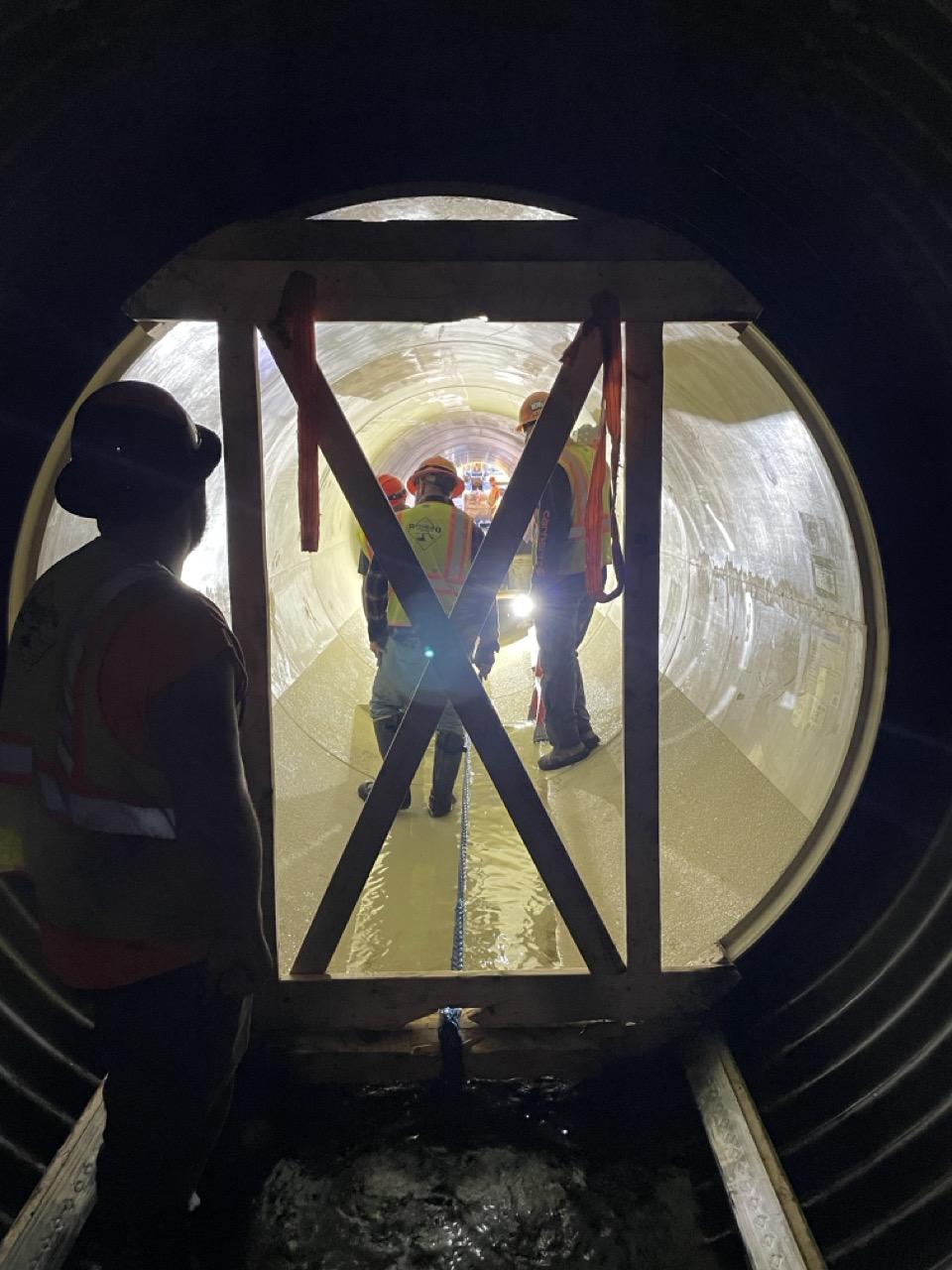
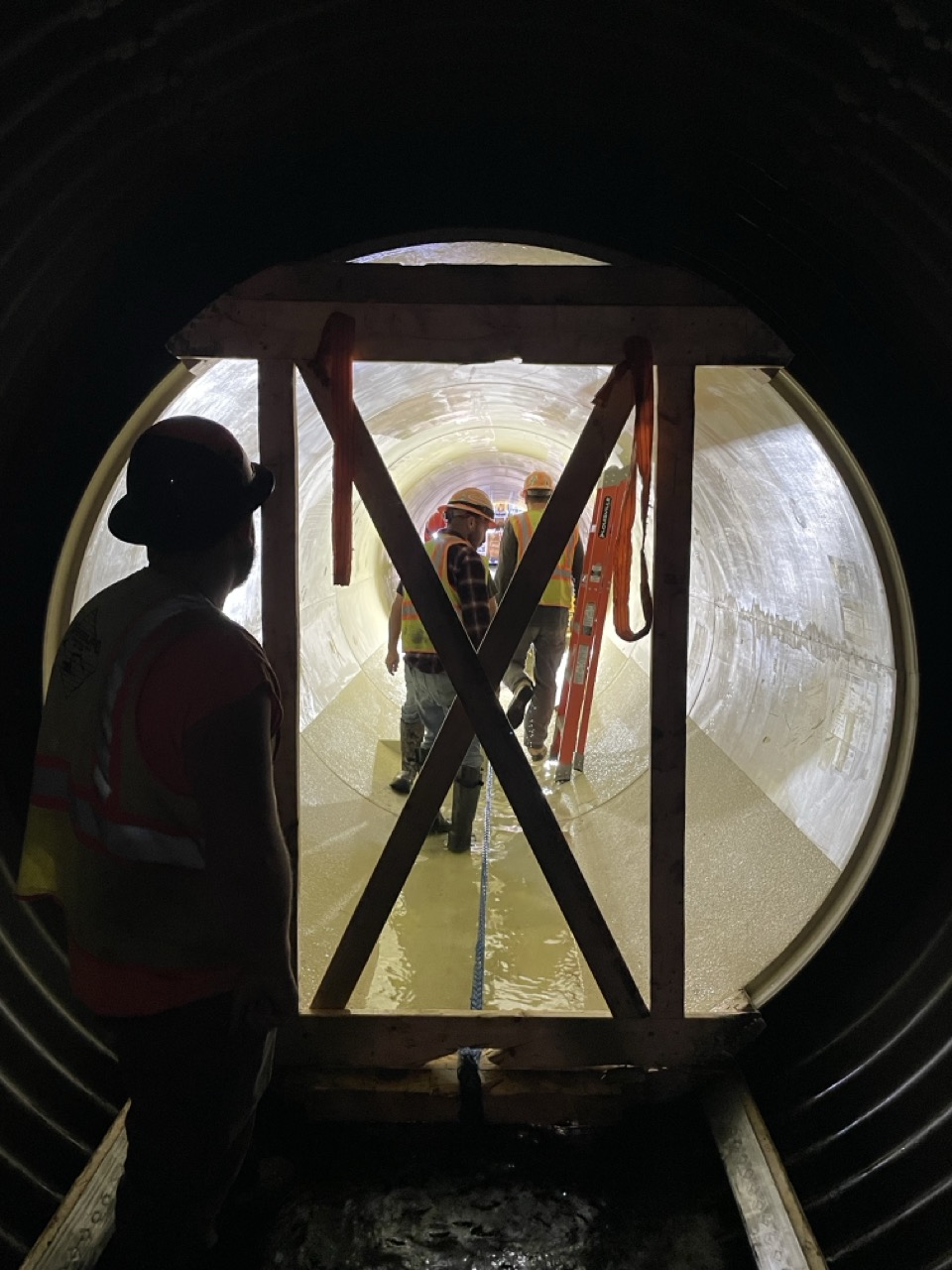
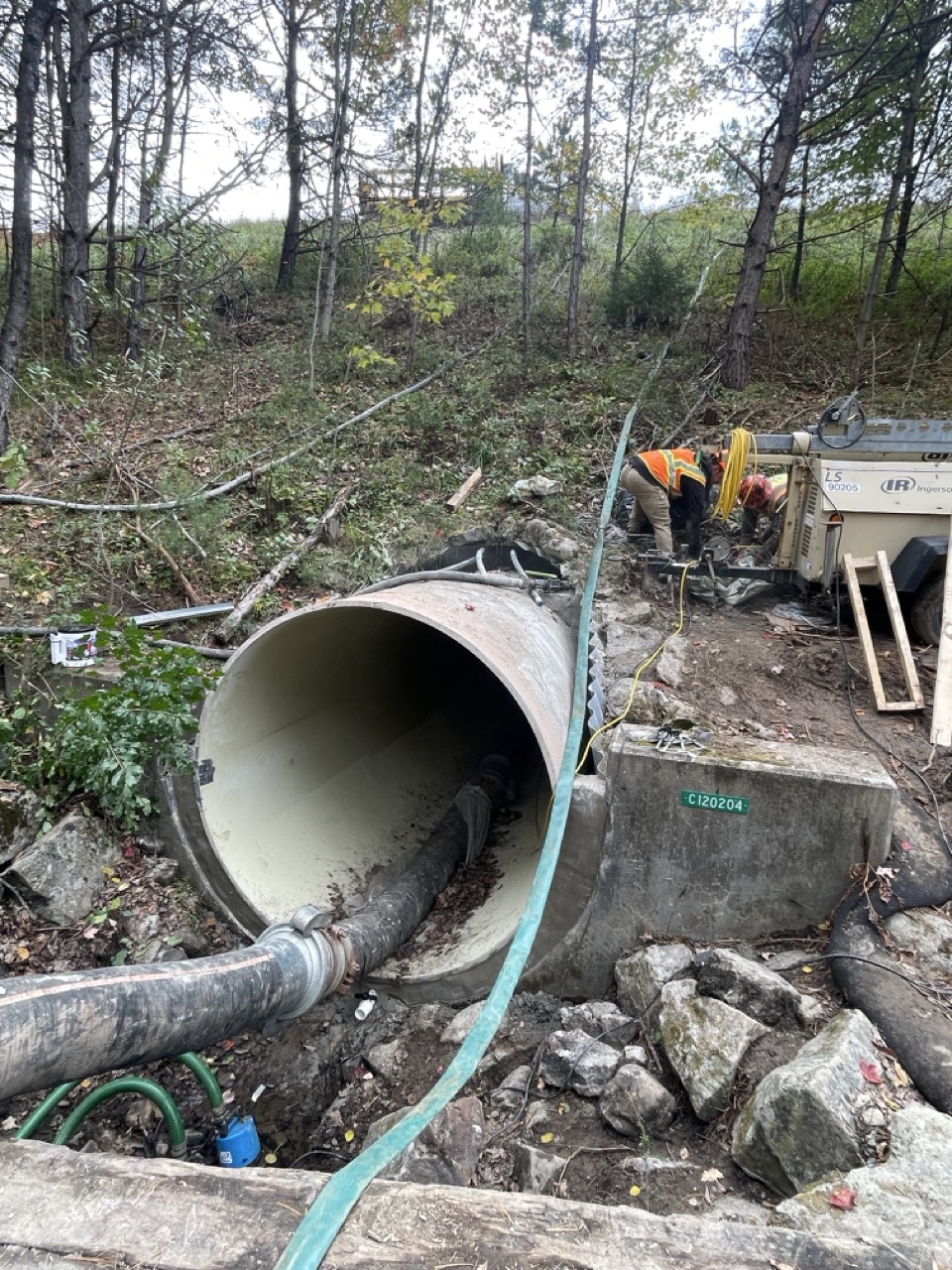
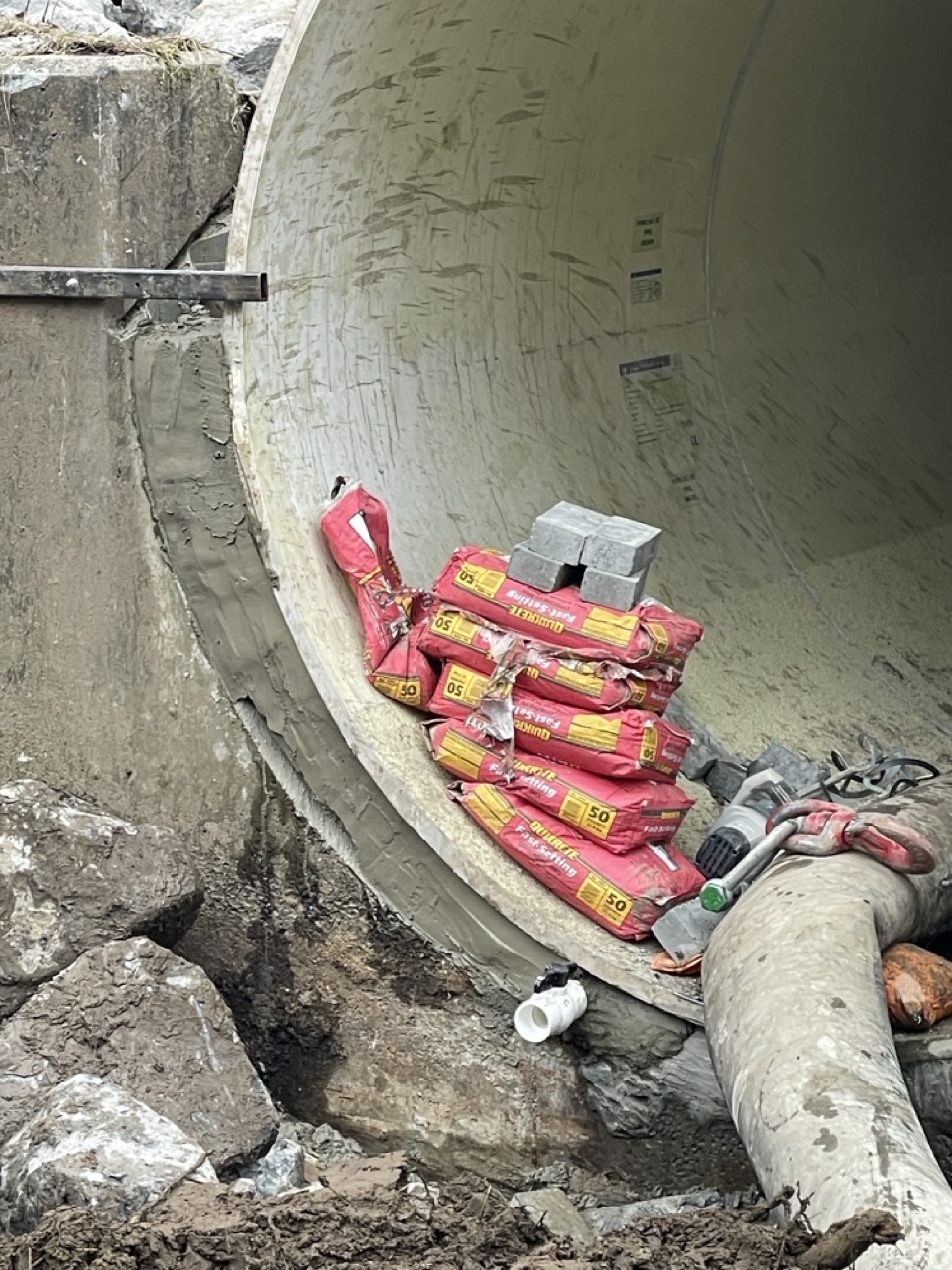
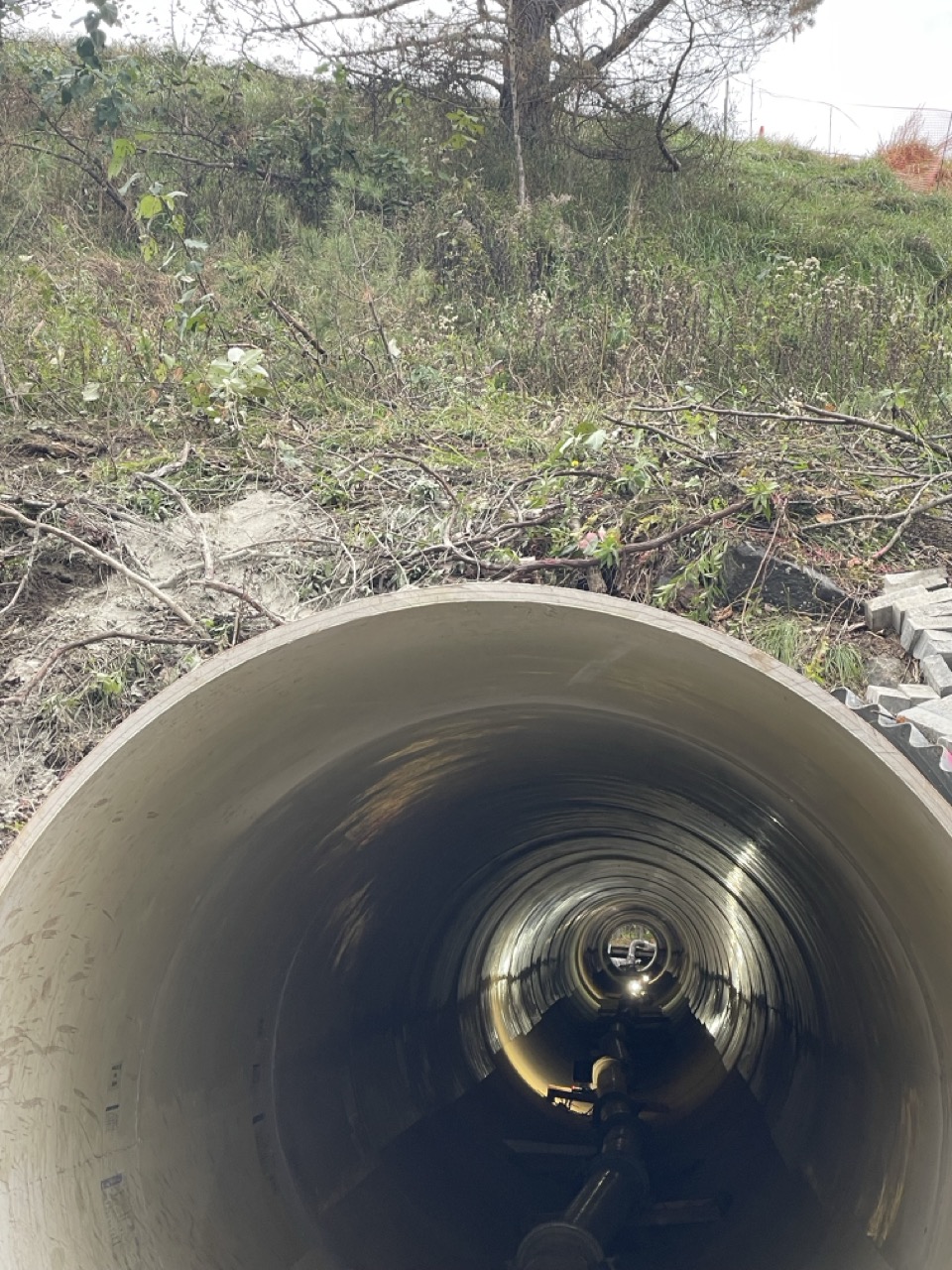
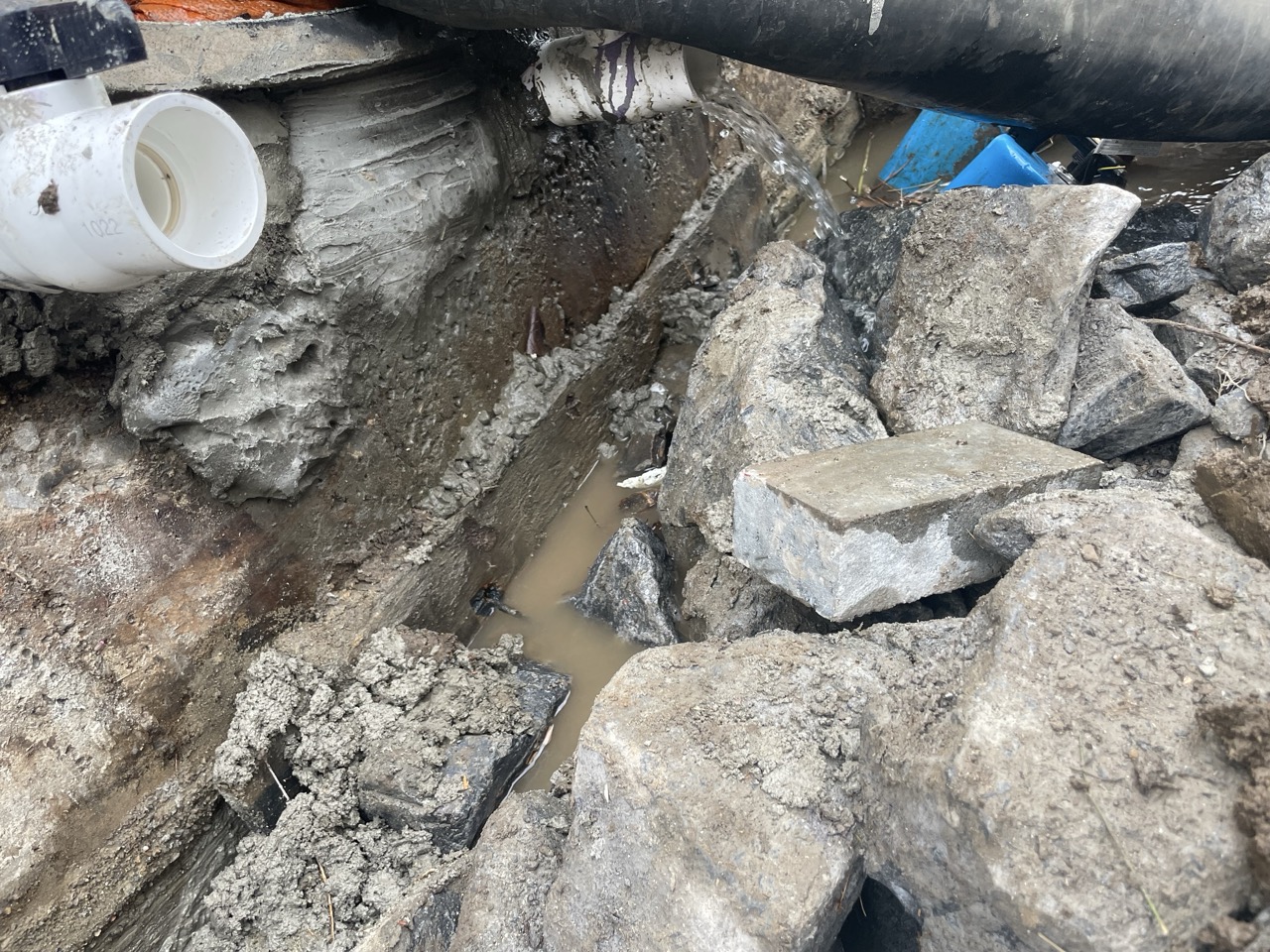
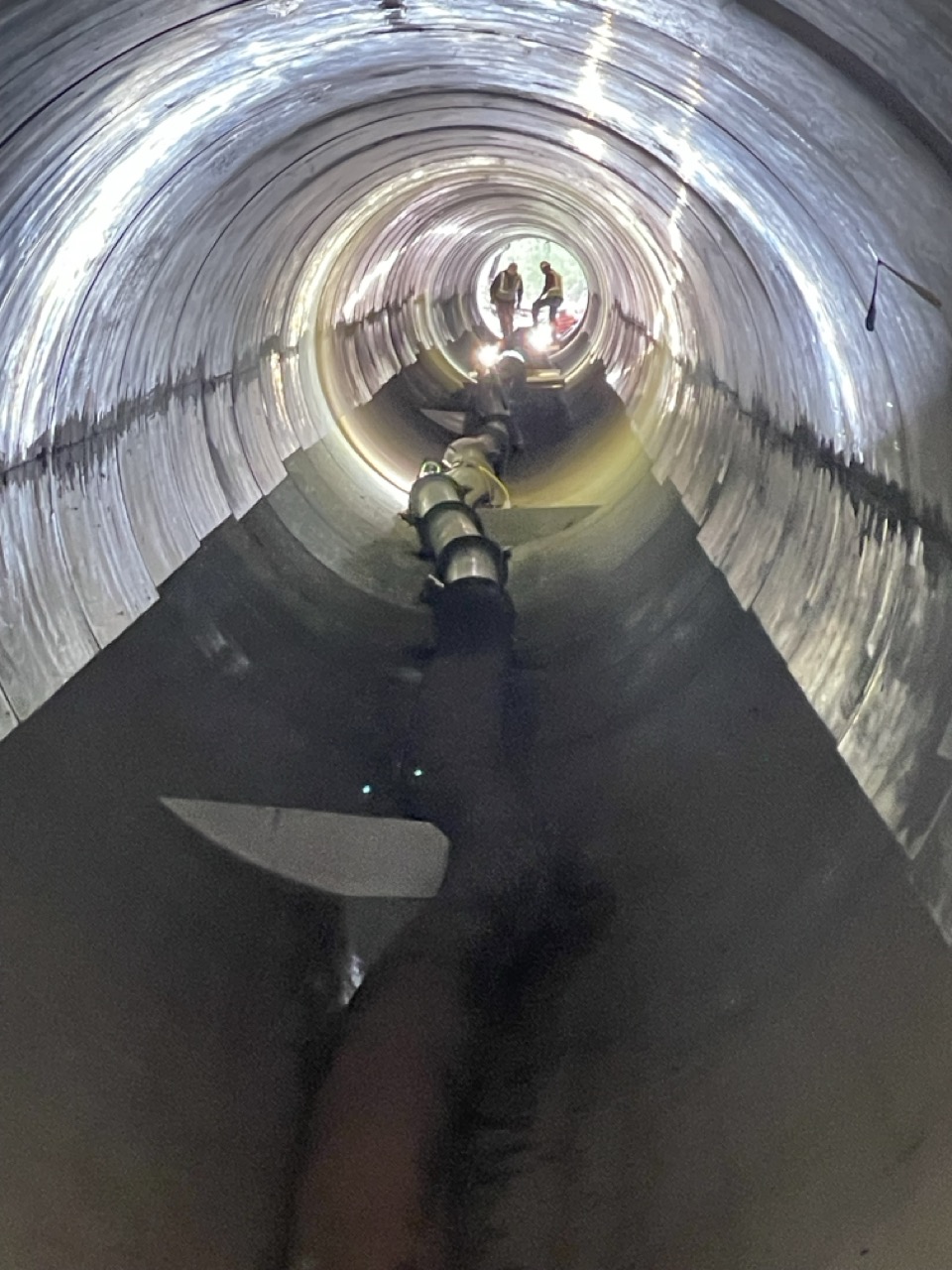
Fish ladders and baffle systems are typically installed within existing culverts or new pipe structures to slow water velocity, create resting pools, and simulate natural stream conditions. Before installation begins, hydraulic modeling and environmental assessments are conducted to ensure the design supports both fish passage requirements and roadway load demands. Once installed, these systems allow fish and aquatic organisms to move upstream safely while maintaining the flow capacity needed to prevent flooding and roadway overtopping.

Combined ShapeCreated with Sketch.

Municipalities and environmental agencies often select fish ladder and aquatic life solutions because they address ecological restoration and infrastructure performance simultaneously. Some of the reasons to incorporate fish passage systems include, but are not limited to:

Improved fish passage. Fish ladders and engineered baffles reduce velocity barriers and create step-pool formations that allow trout, salmon, eel, and other species to migrate upstream naturally.

Habitat restoration. These systems restore stream continuity, improve spawning access, and strengthen aquatic ecosystems.

Regulatory compliance. Many state and federal agencies require fish passage accommodations during culvert replacement or rehabilitation projects.

Roadway protection. Properly engineered fish ladder systems maintain hydraulic capacity and structural performance to prevent washouts and protect public safety.

Cost efficiency. Retrofitting structurally sound culverts with aquatic life baffles is often more cost-effective than complete culvert replacement.

Reduced environmental disruption. Internal fish passage systems minimize in-stream disturbance compared to full excavation and reconstruction.

Long-term durability. When properly designed, fish ladders and baffle systems are built to perform for decades while maintaining both environmental and structural integrity.

Integrated Environmental Flow Control

In addition to fish ladders and aquatic life passage systems, DL VEWS represents innovative environmental protection technologies including Channeline baffled pipe, Snap-Tite® factory-installed baffles, and the FlexiFlow Expand Gate by Floecksmühle.

Click below for the benefits of each product. 

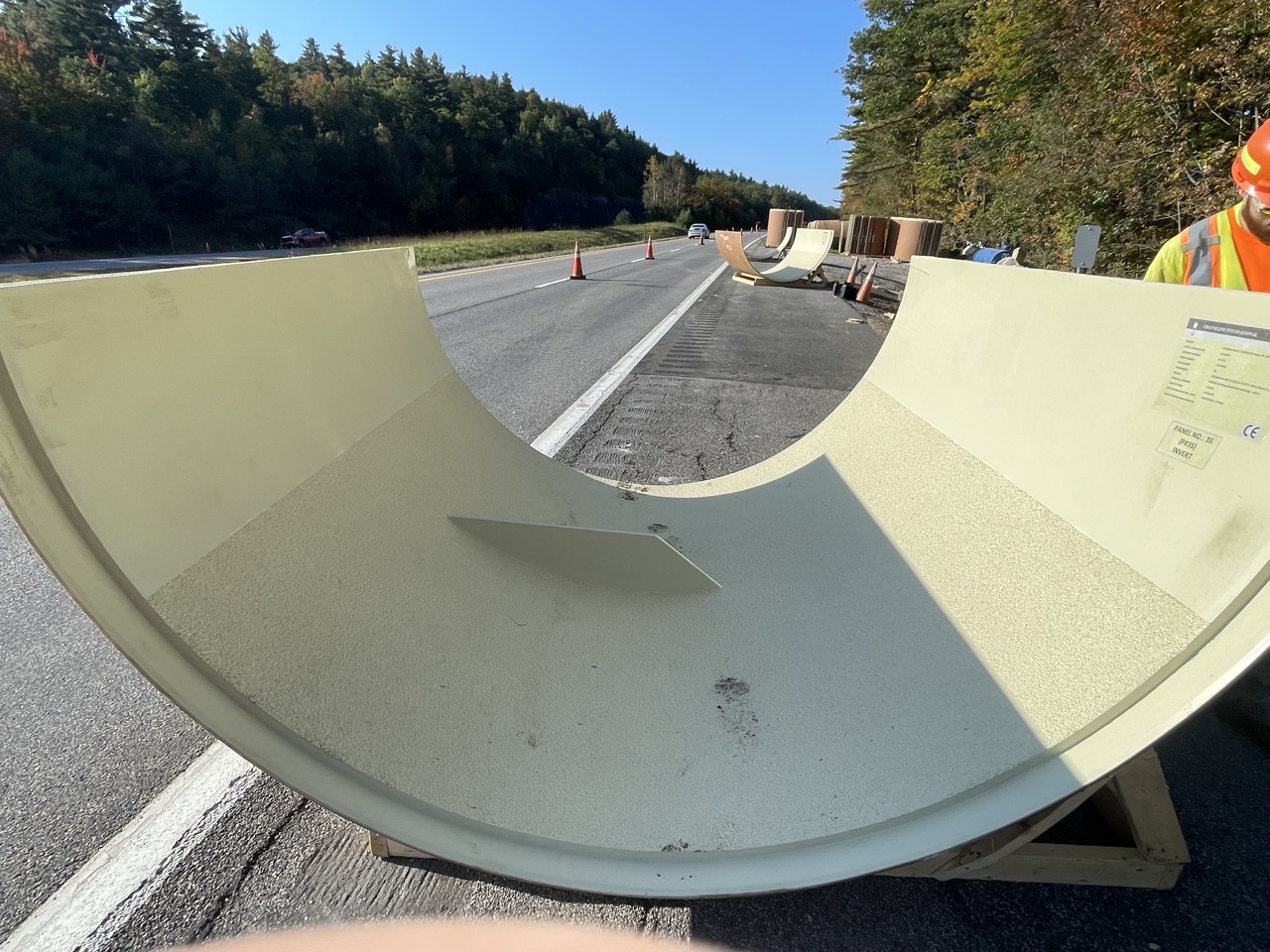
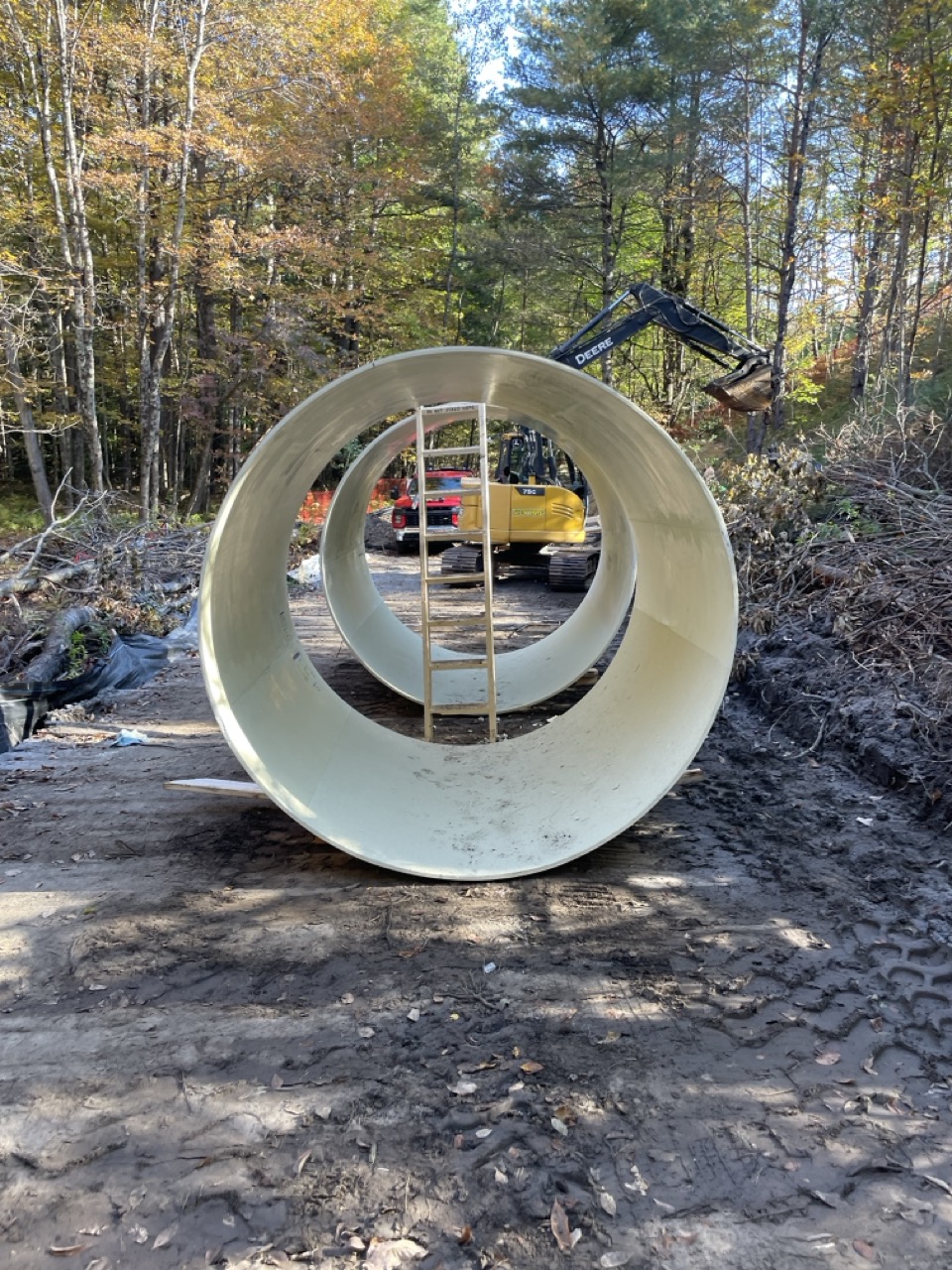
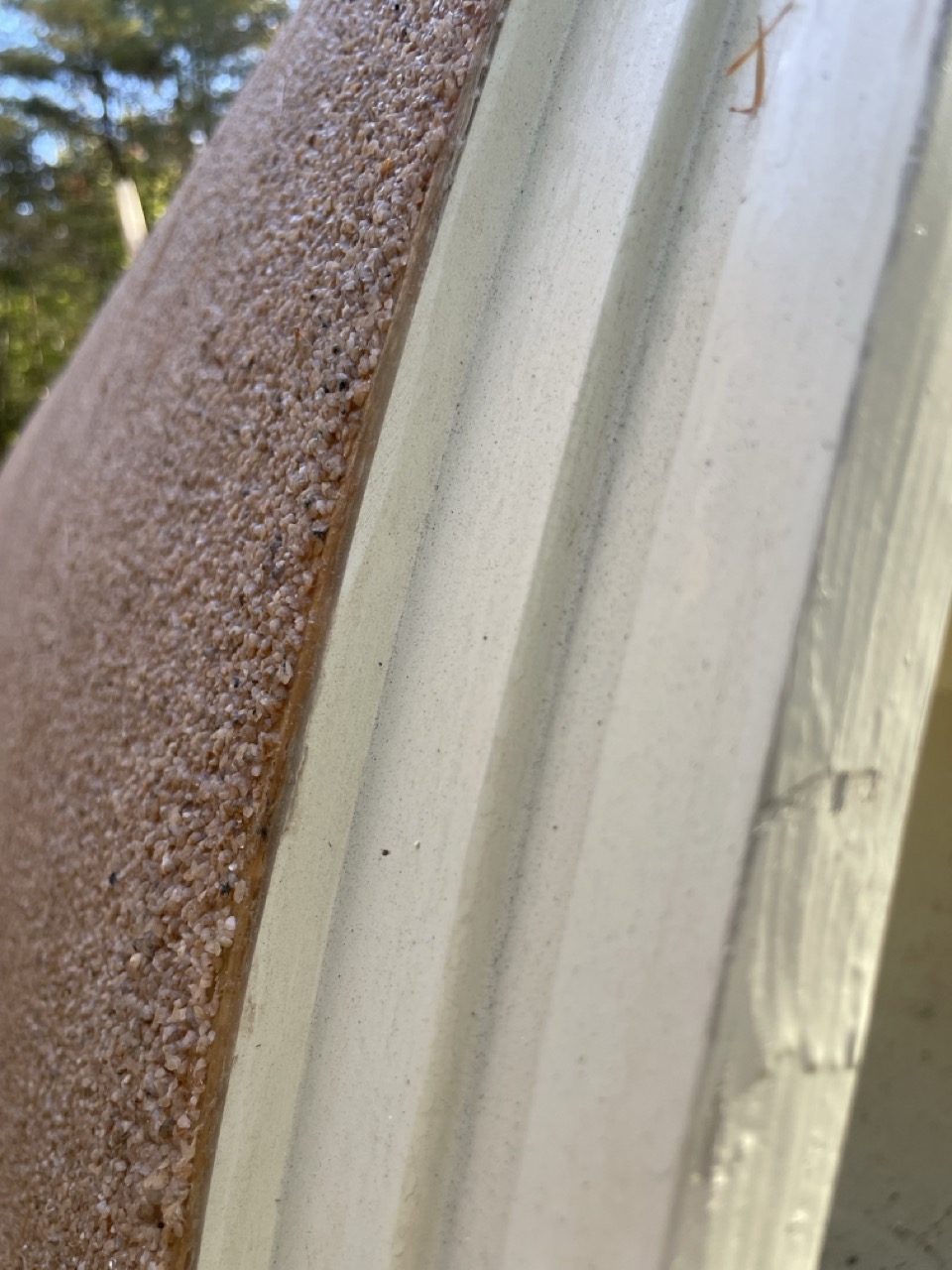
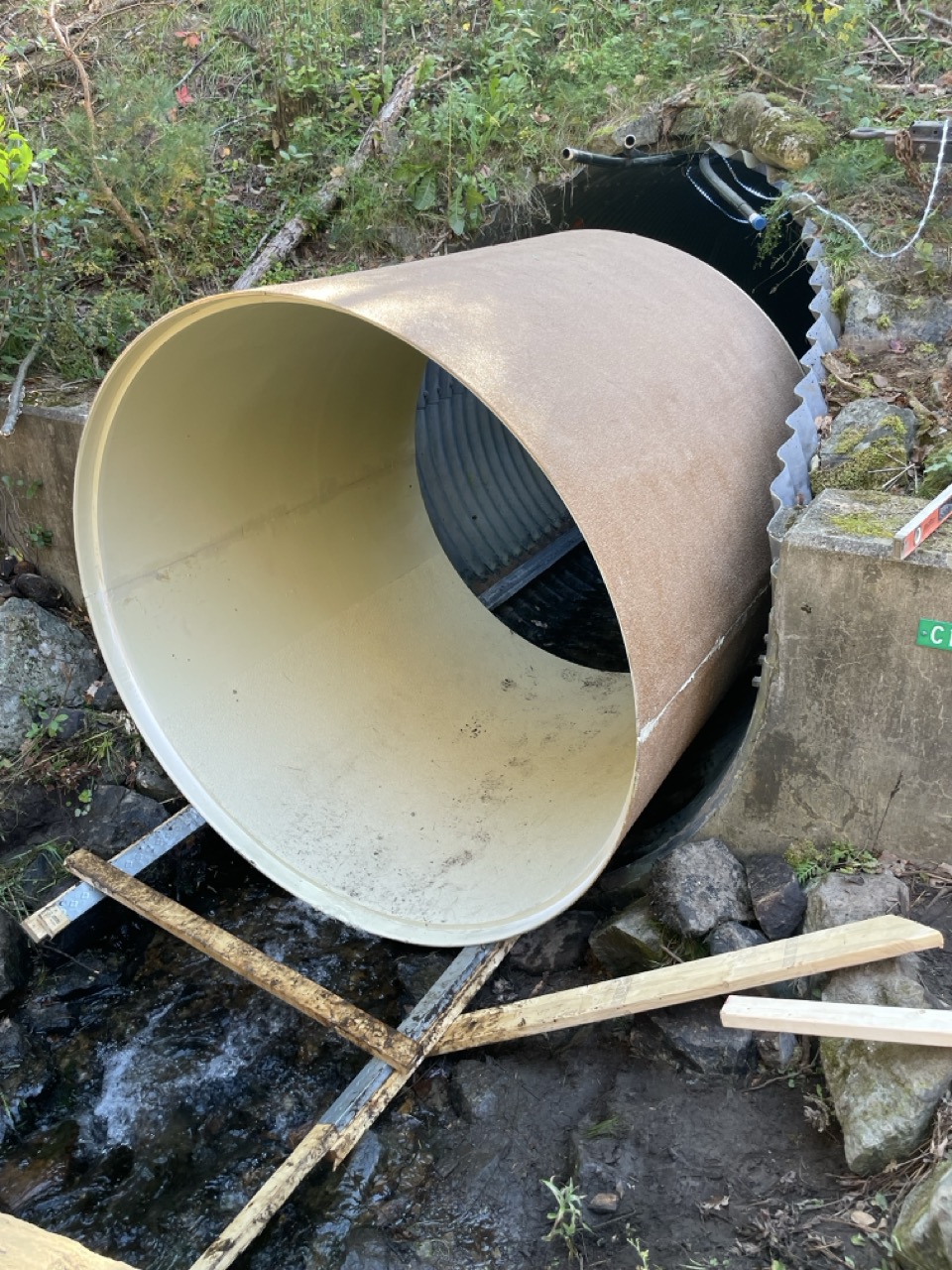
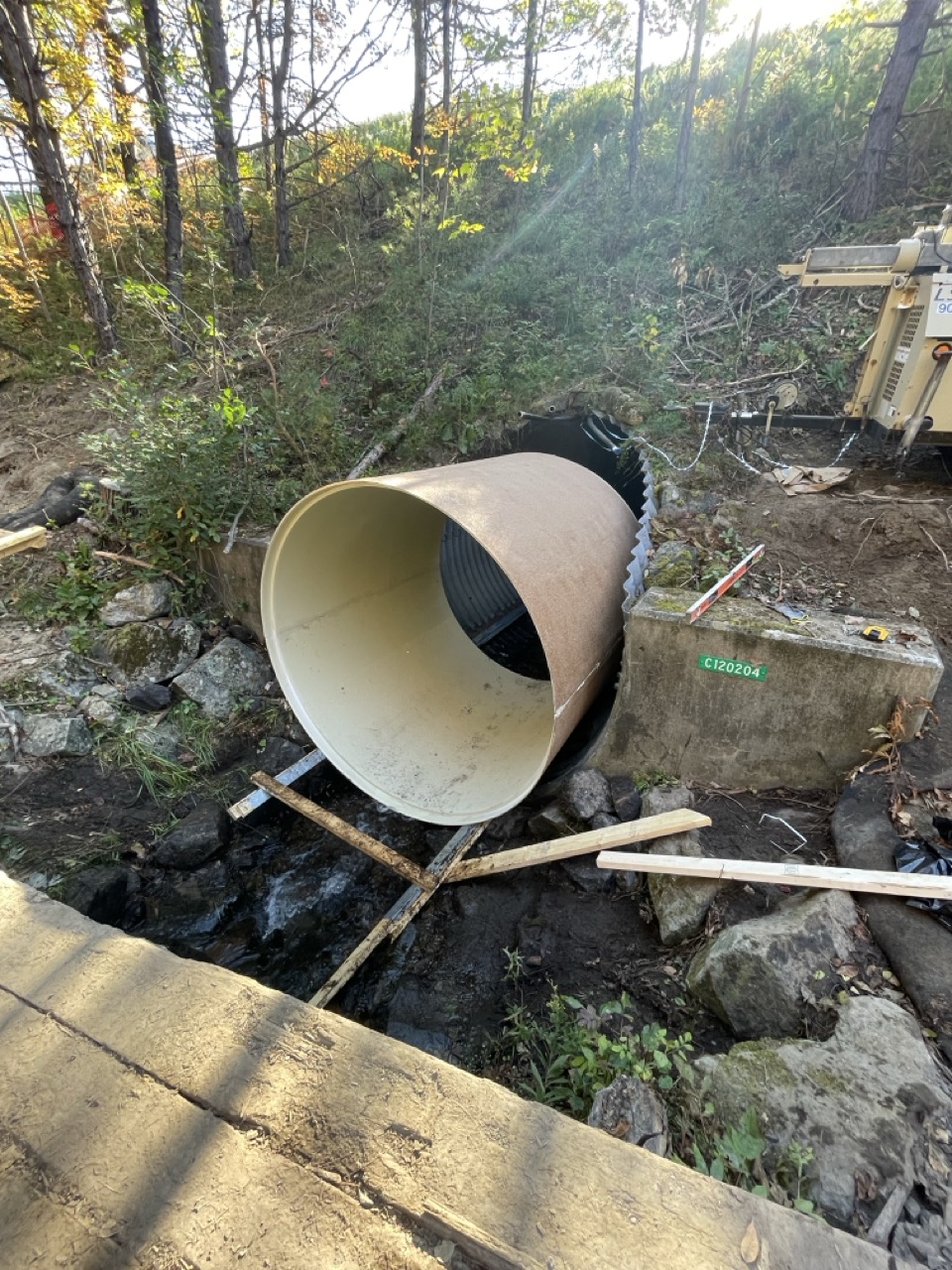
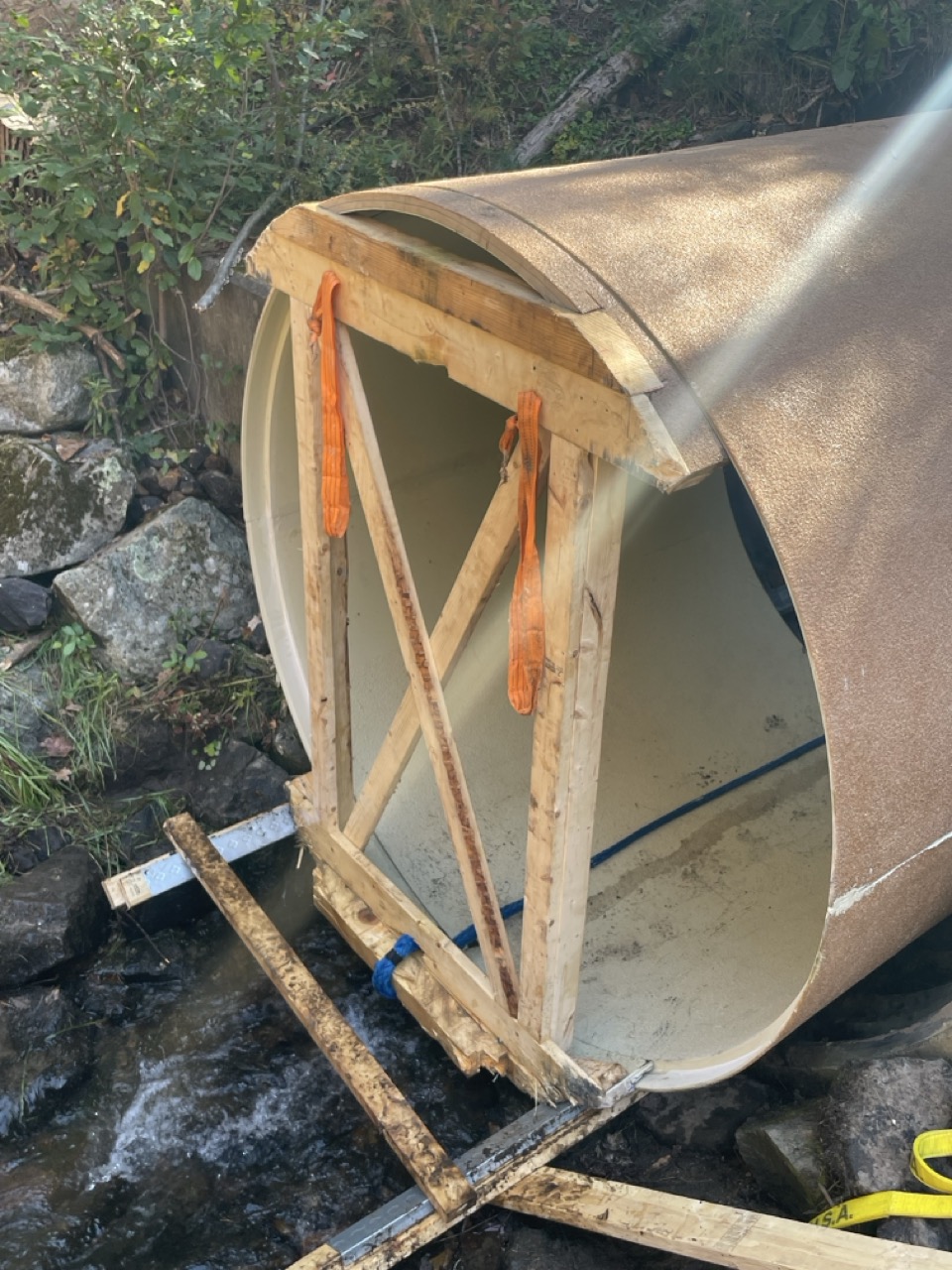
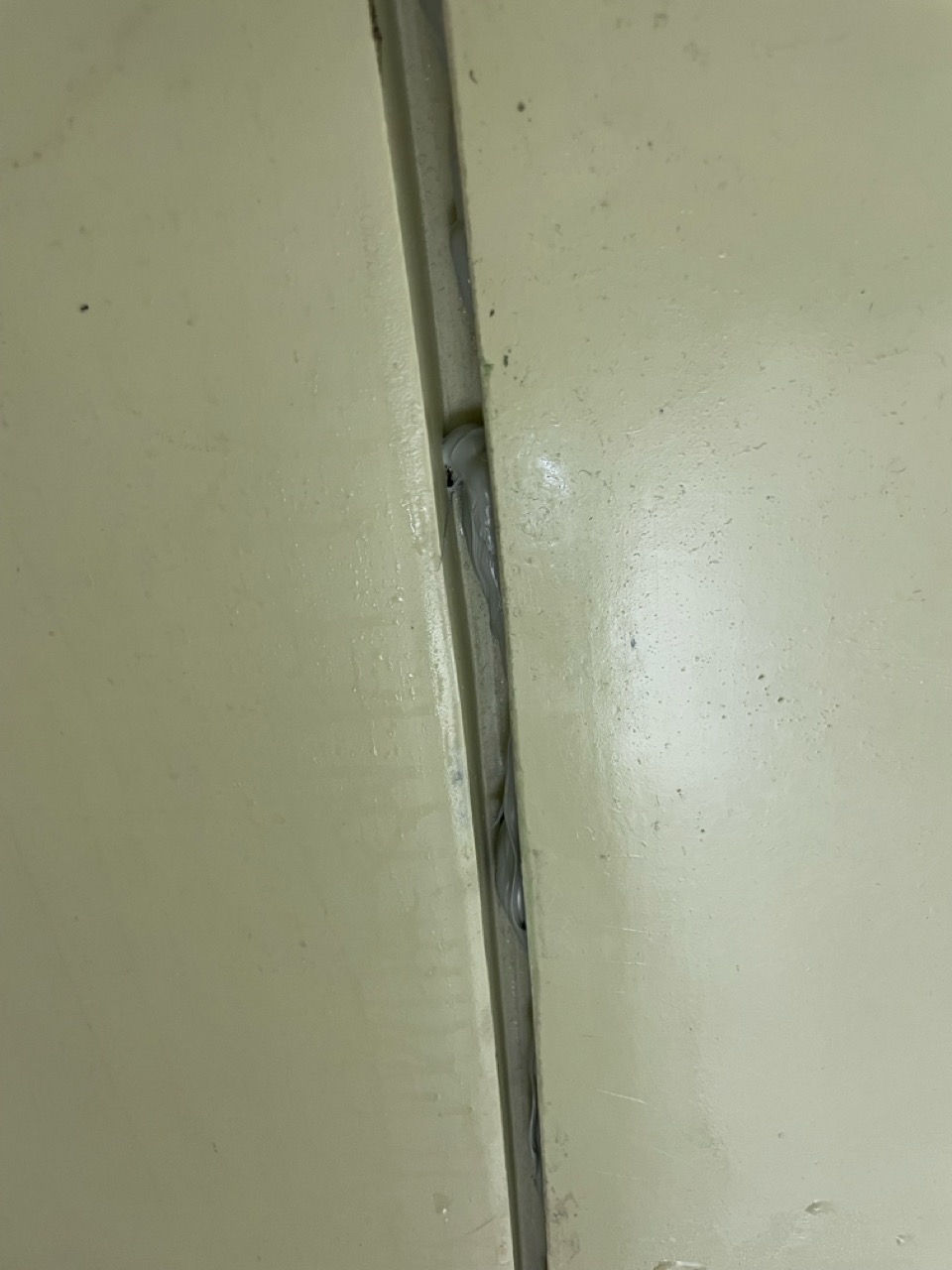
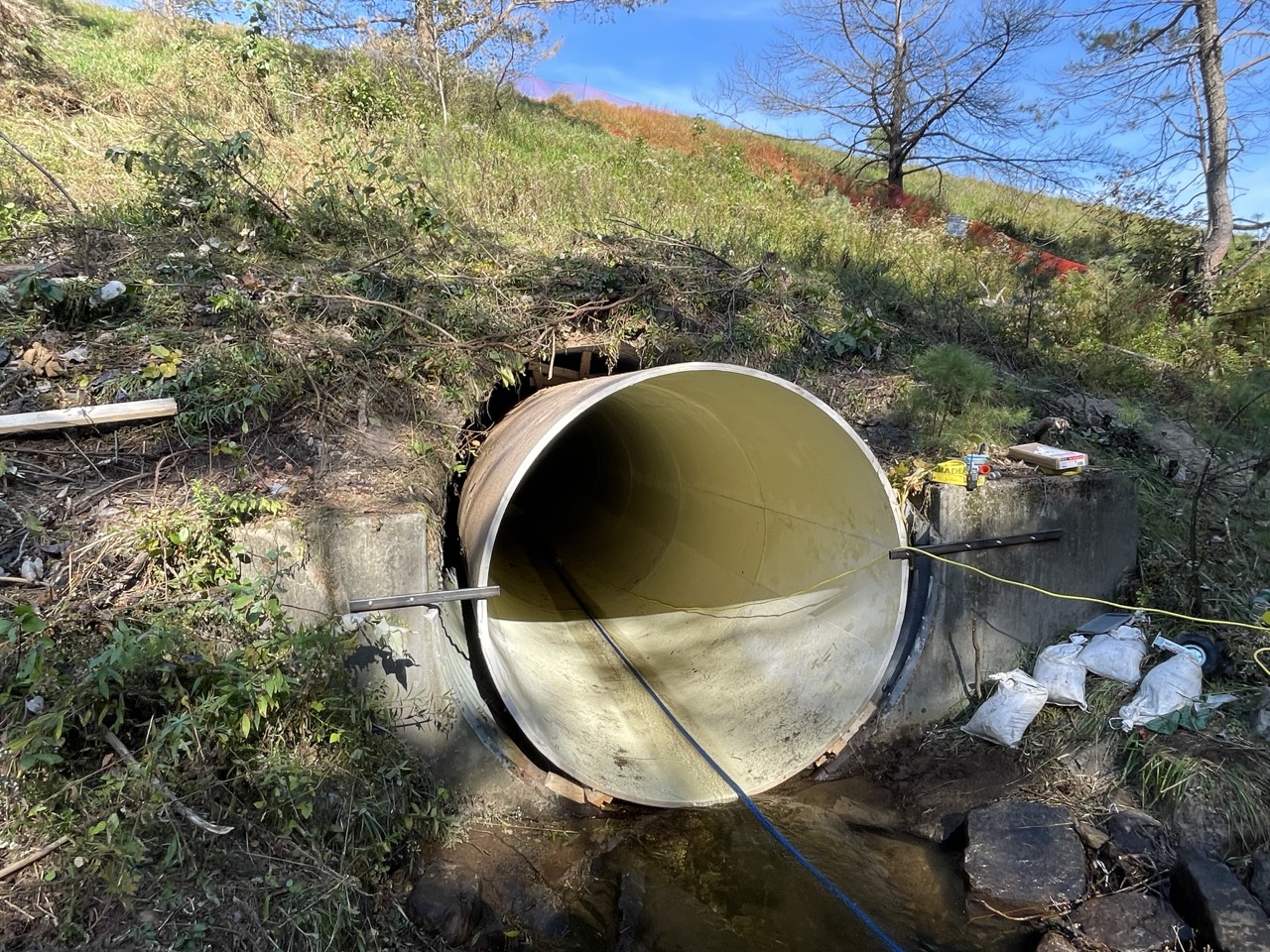
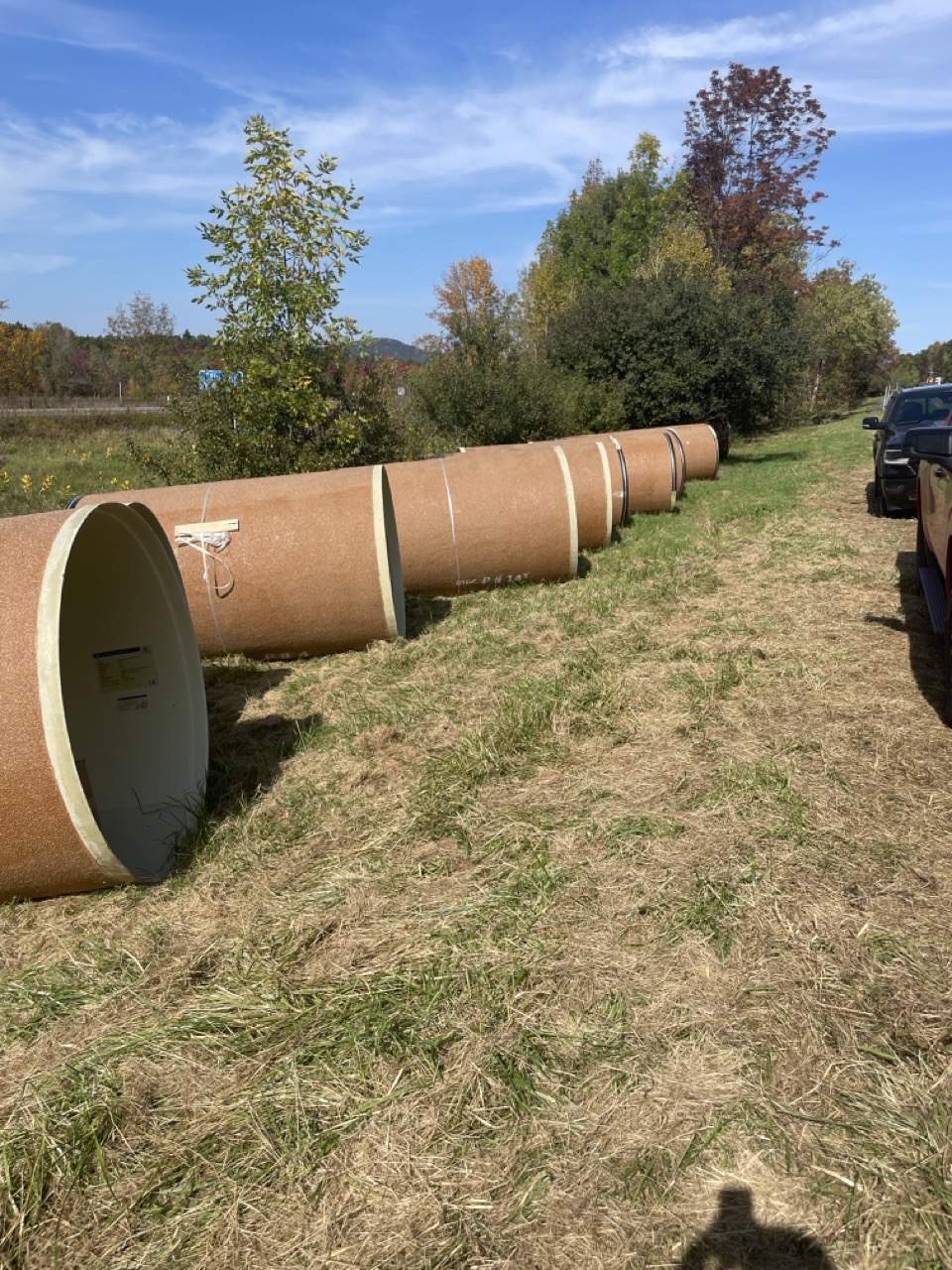
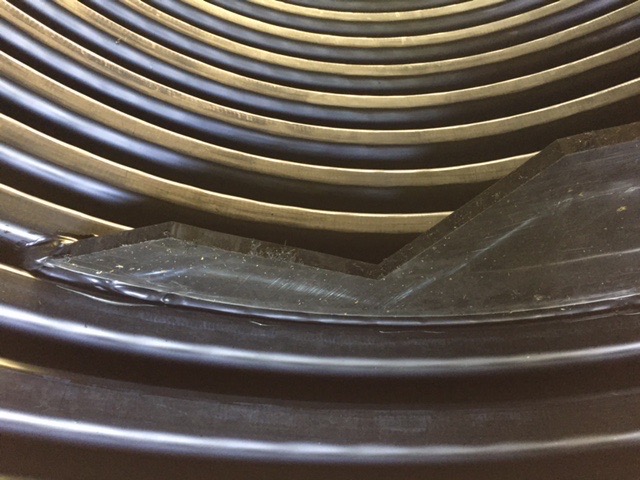
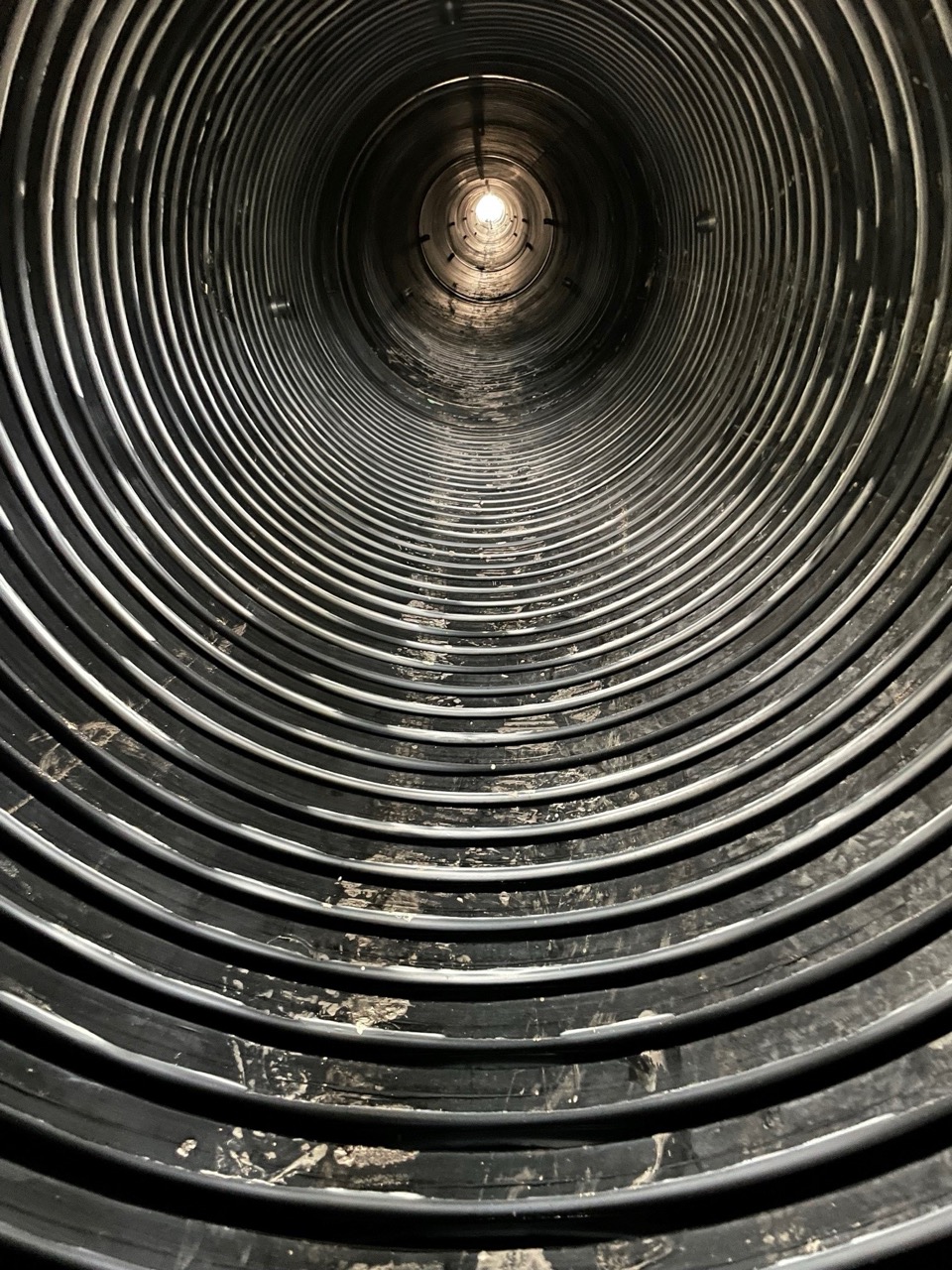
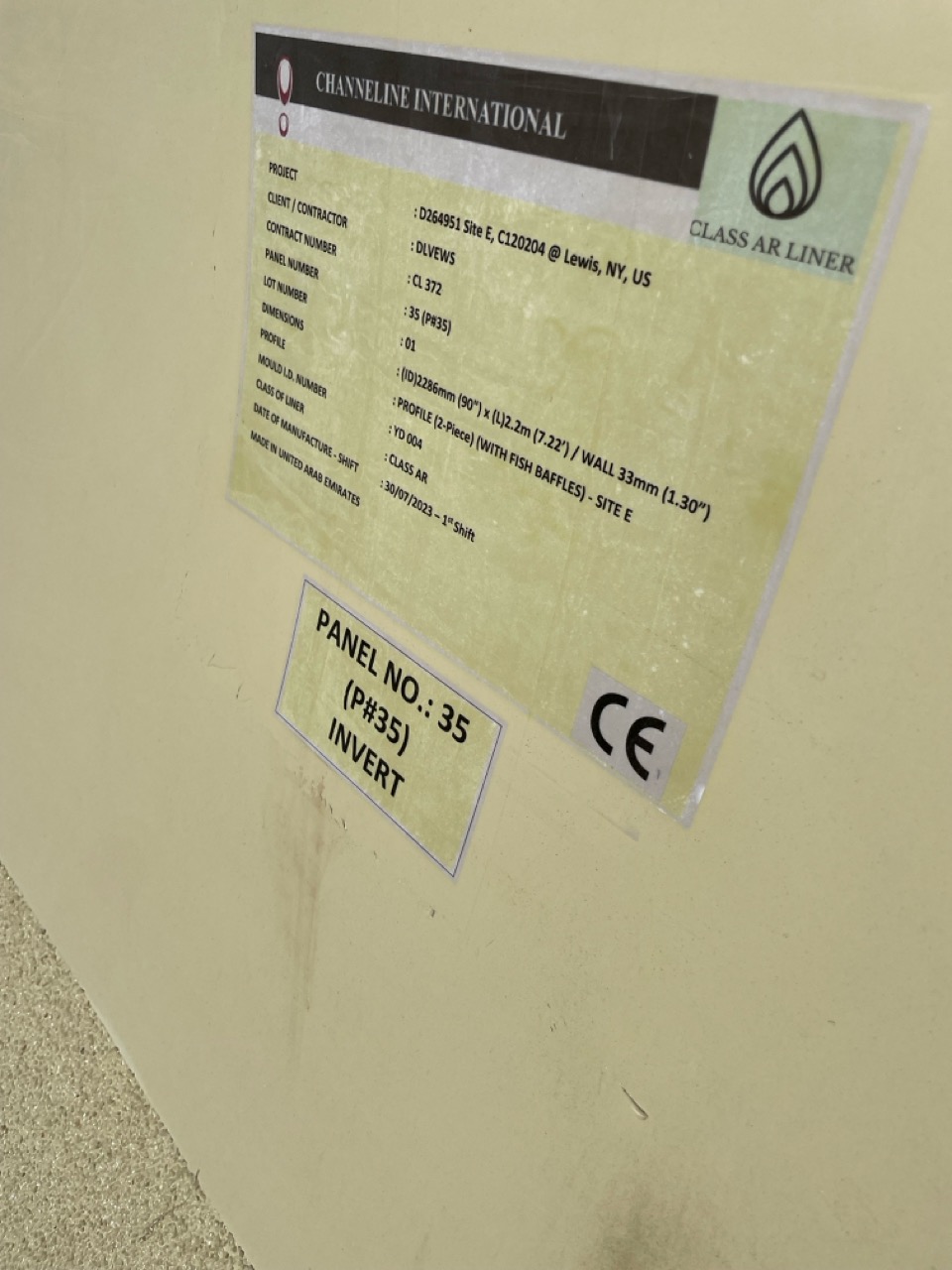
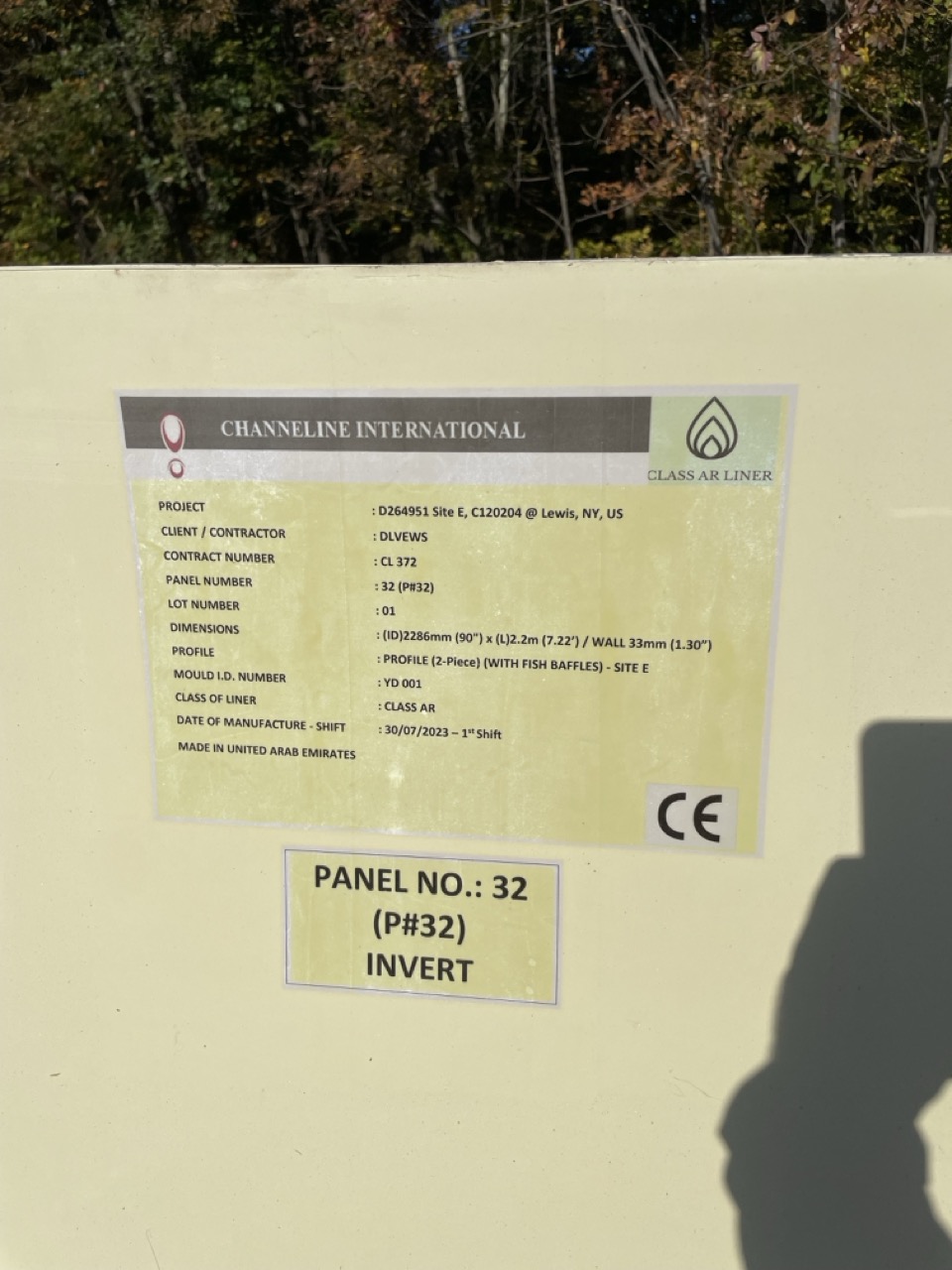
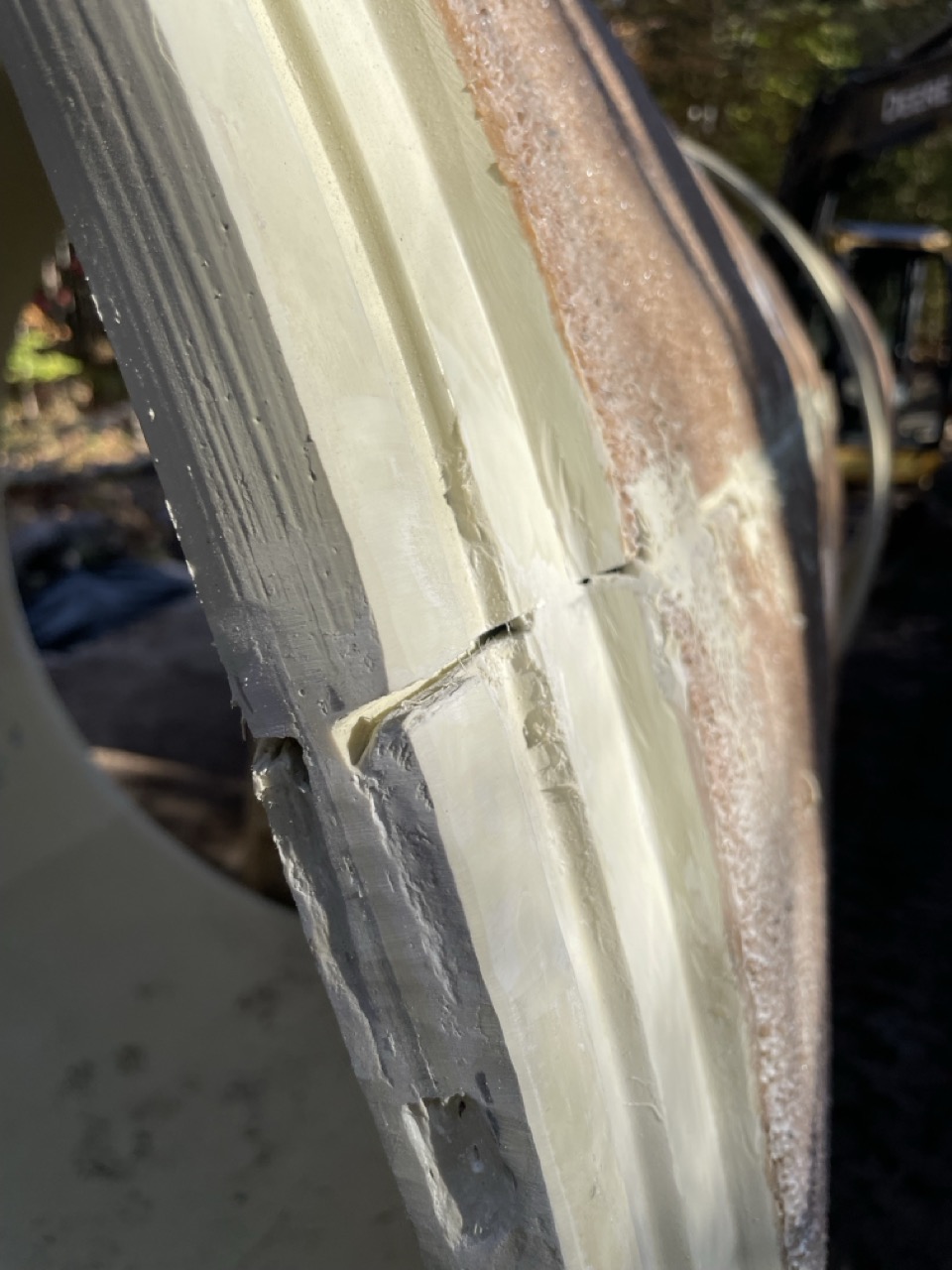
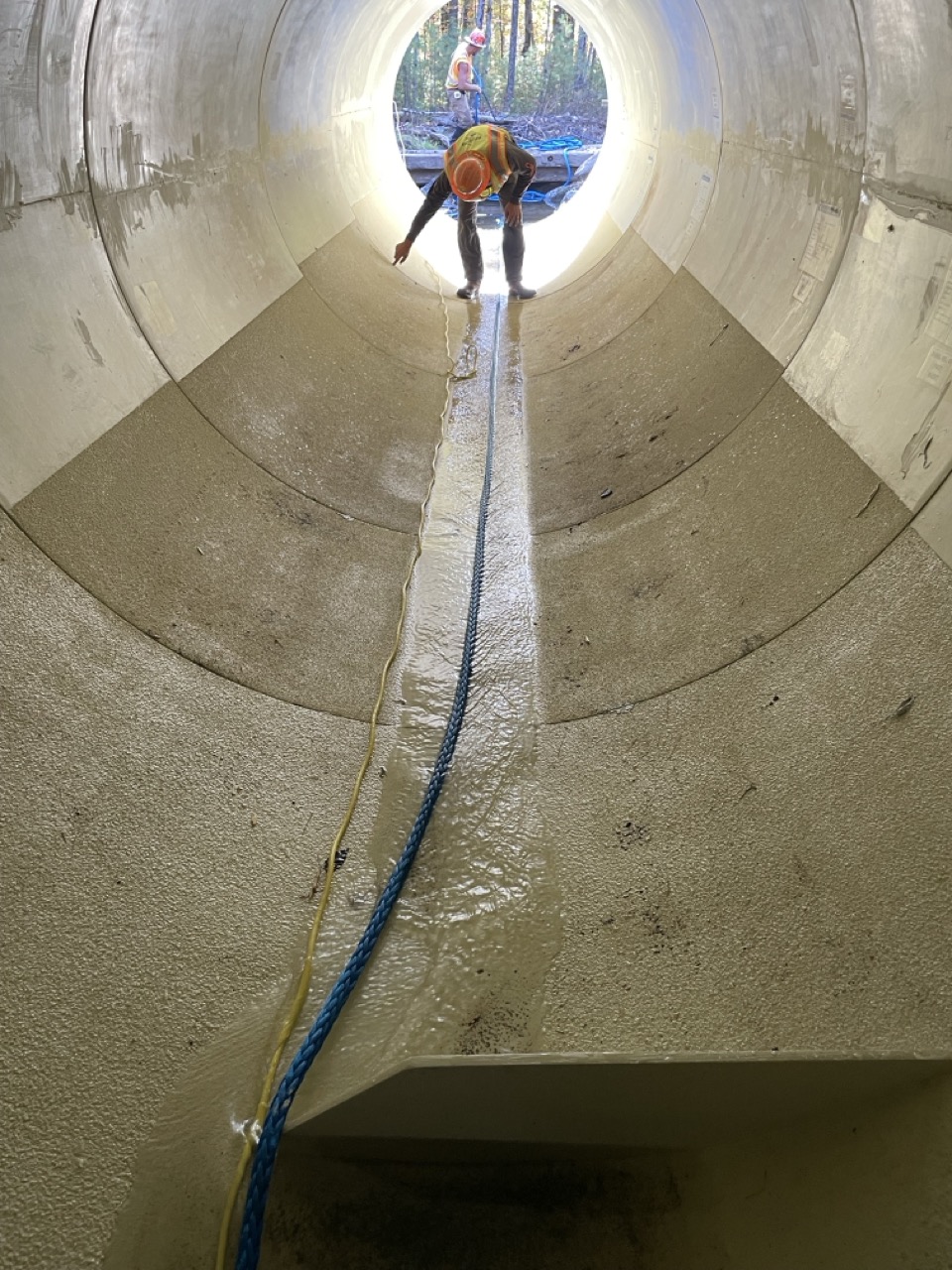
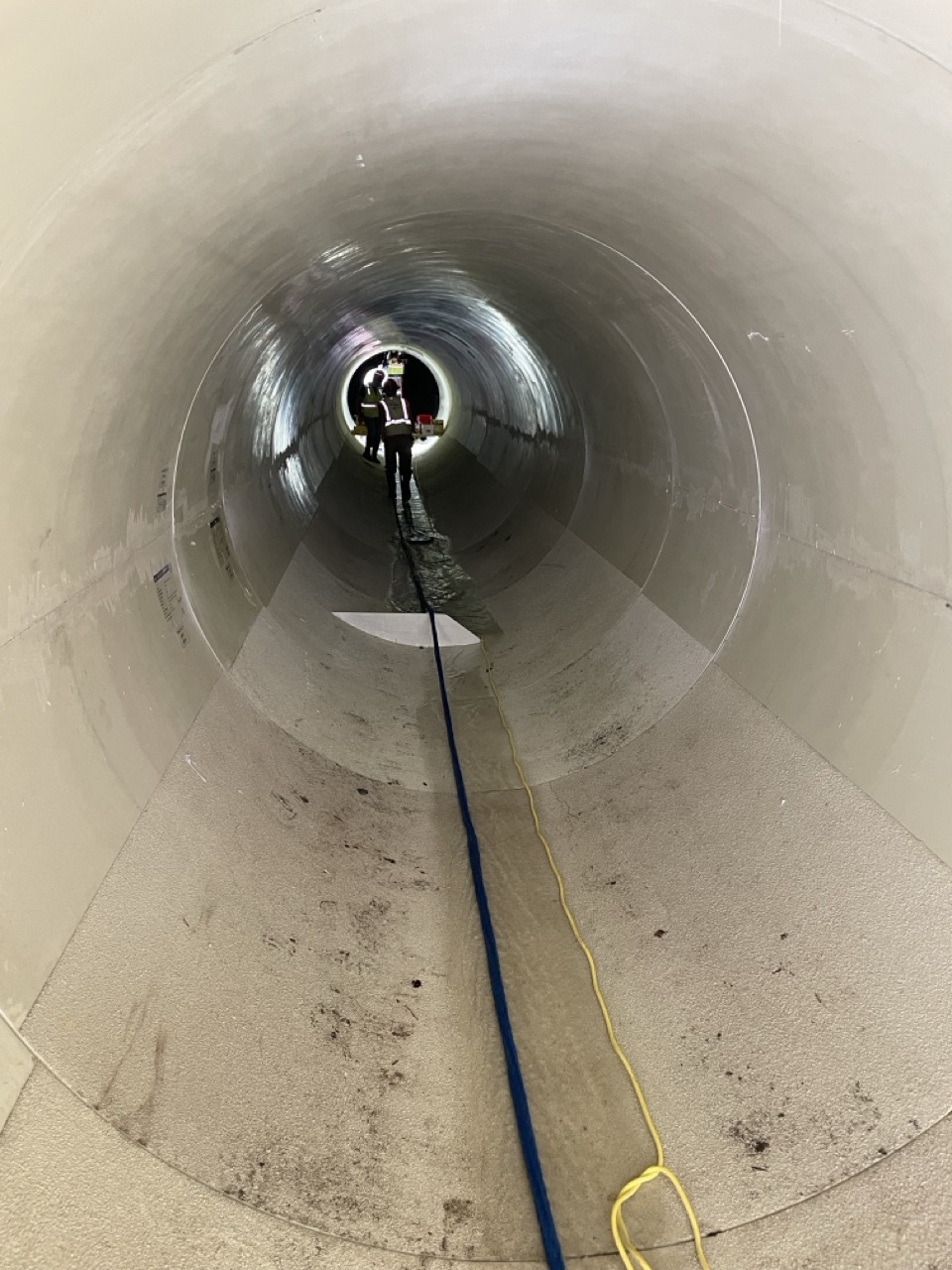
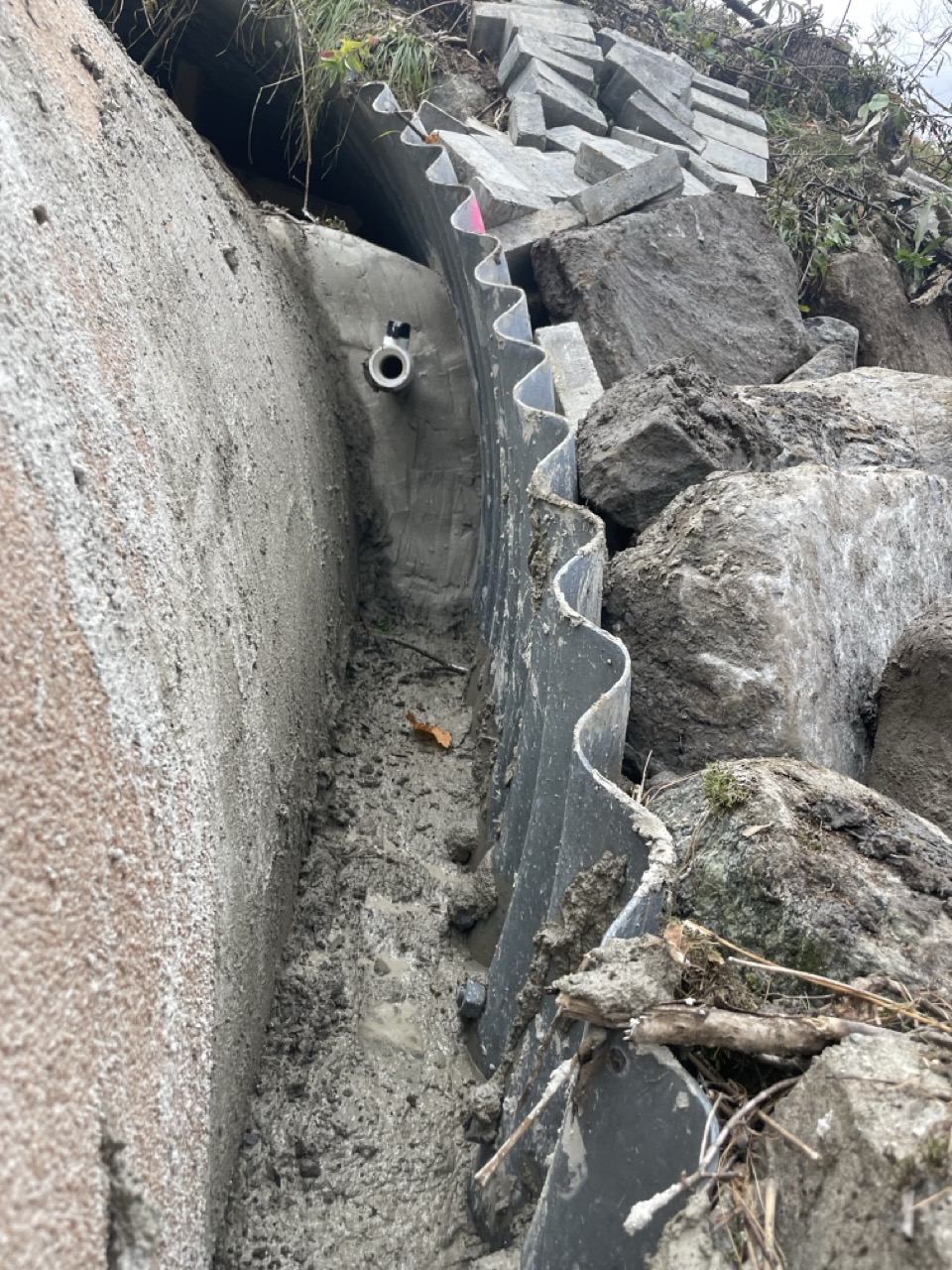
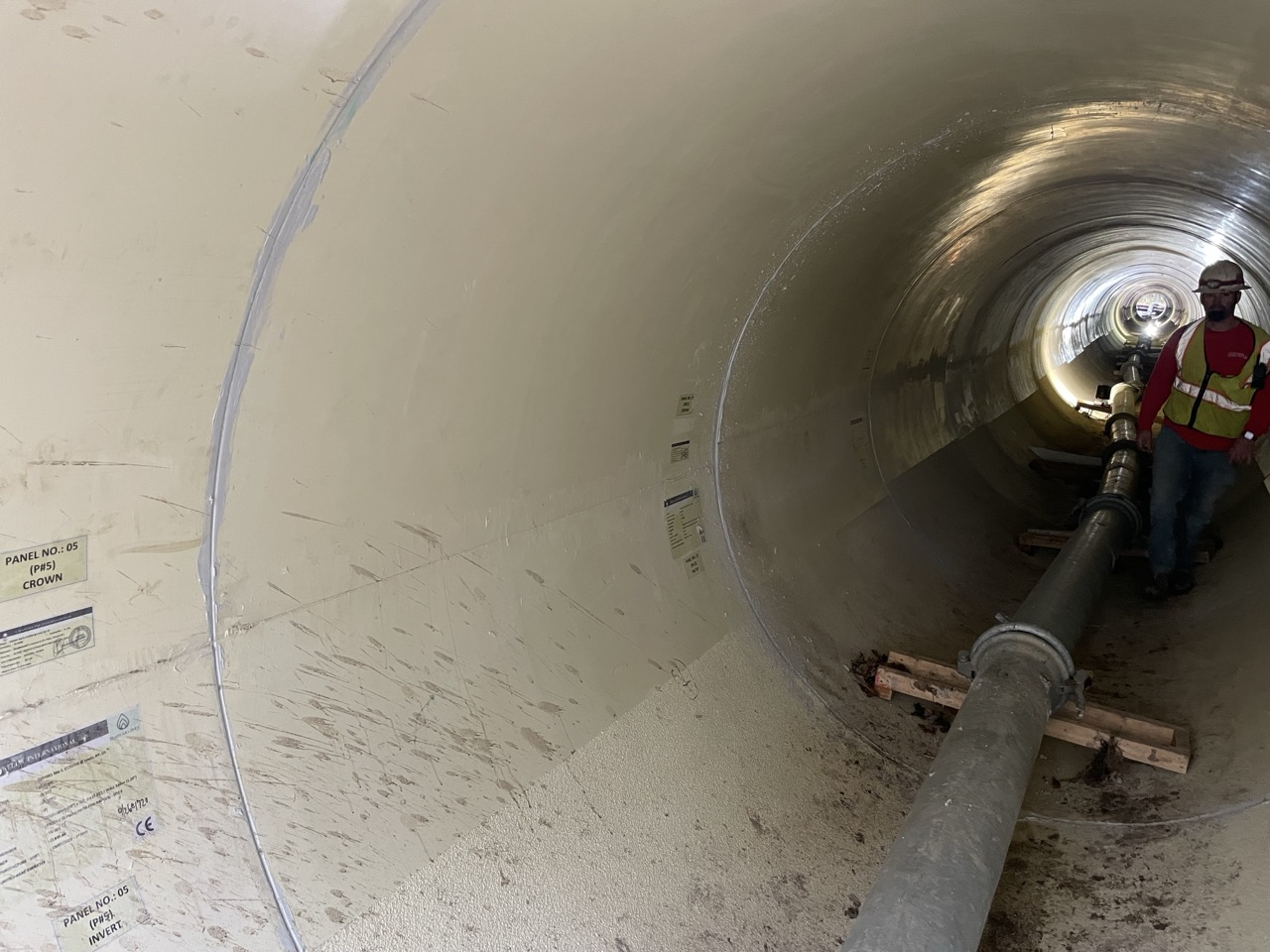
Channeline culvert rehabilitation systems can be manufactured with integrated baffles inside the pipe structure, creating step-pool formations that slow water velocity and simulate natural stream conditions. These internal baffles reduce hydraulic barriers and provide resting zones that allow fish to successfully migrate upstream.

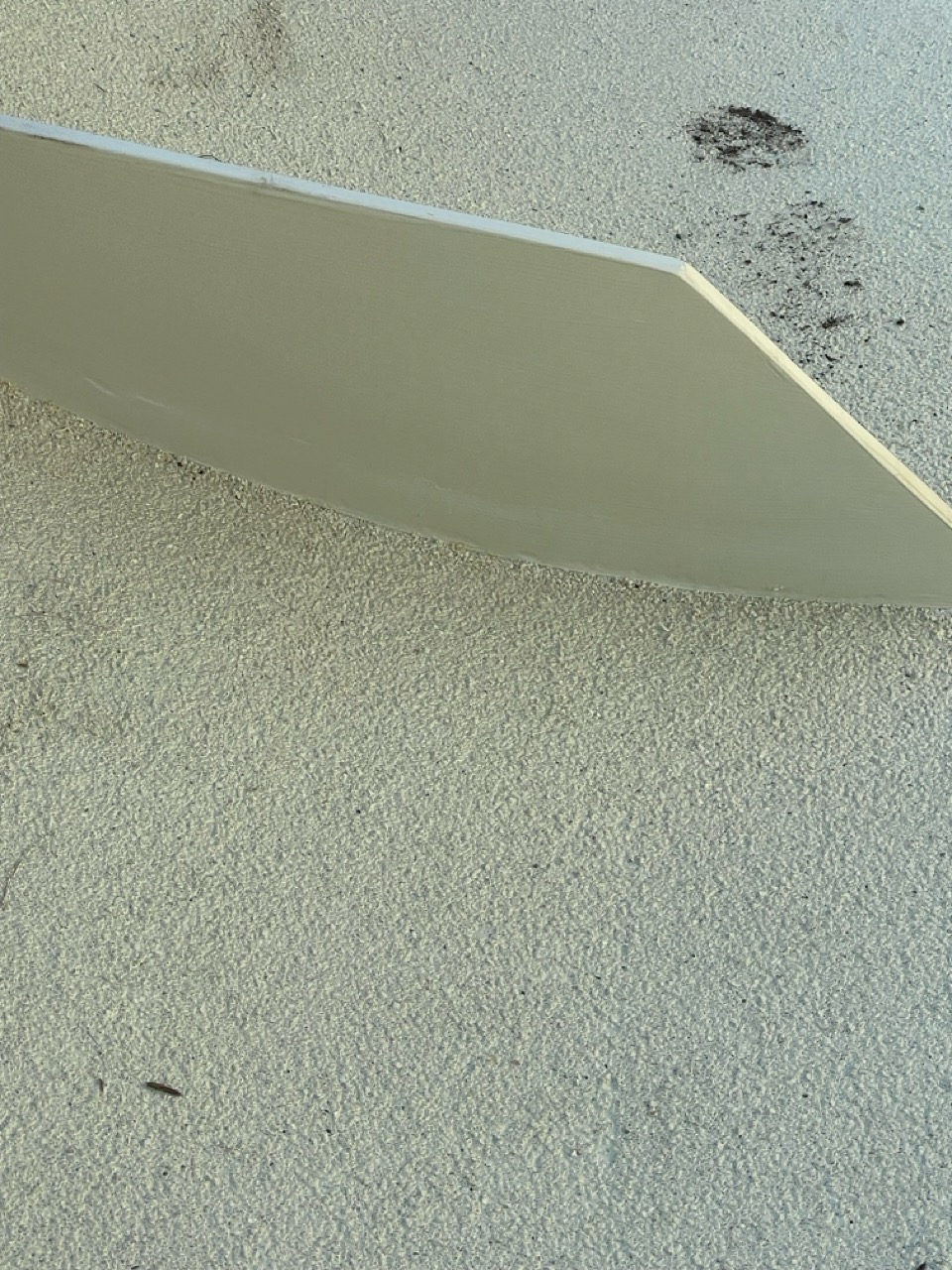
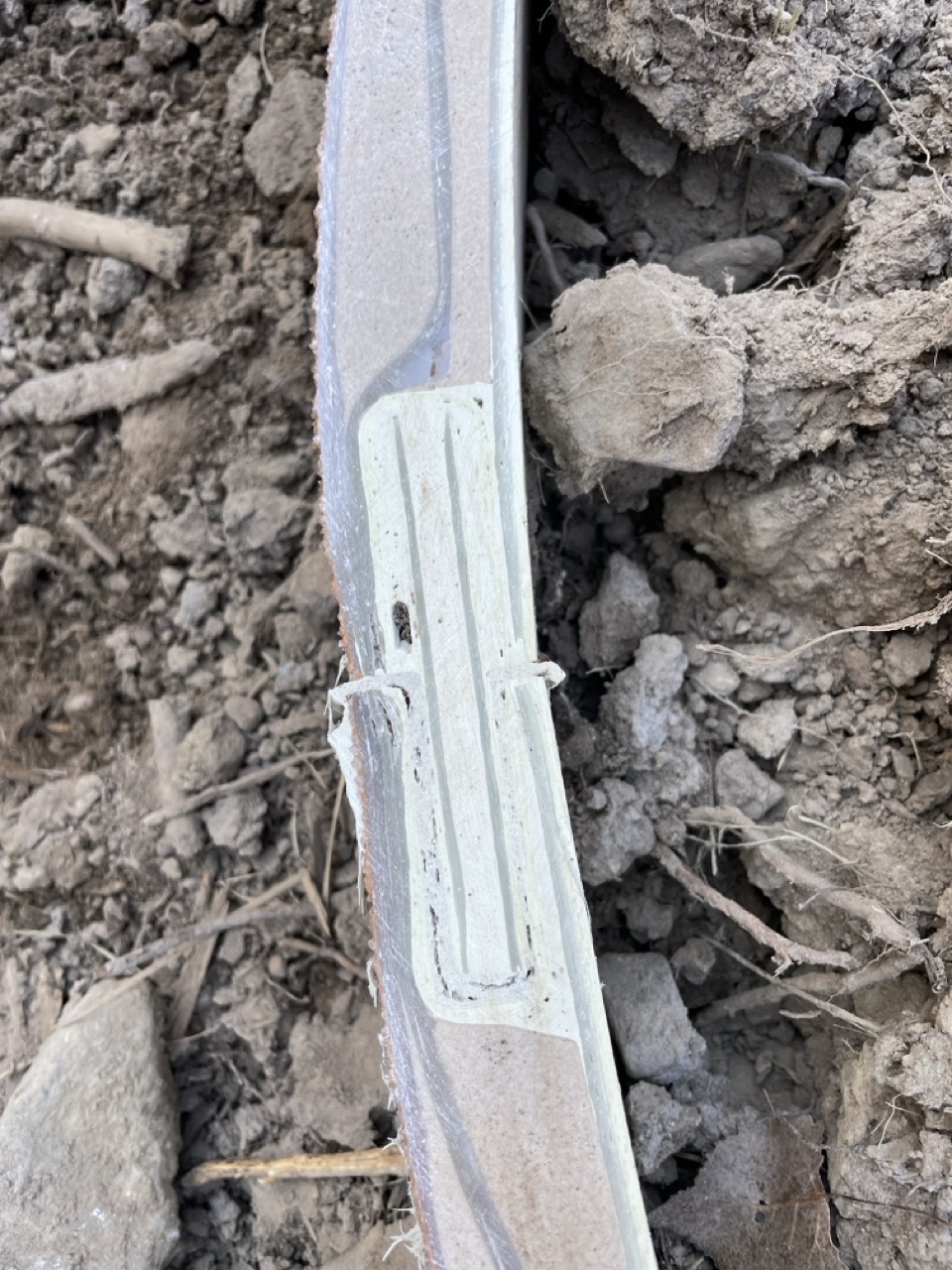
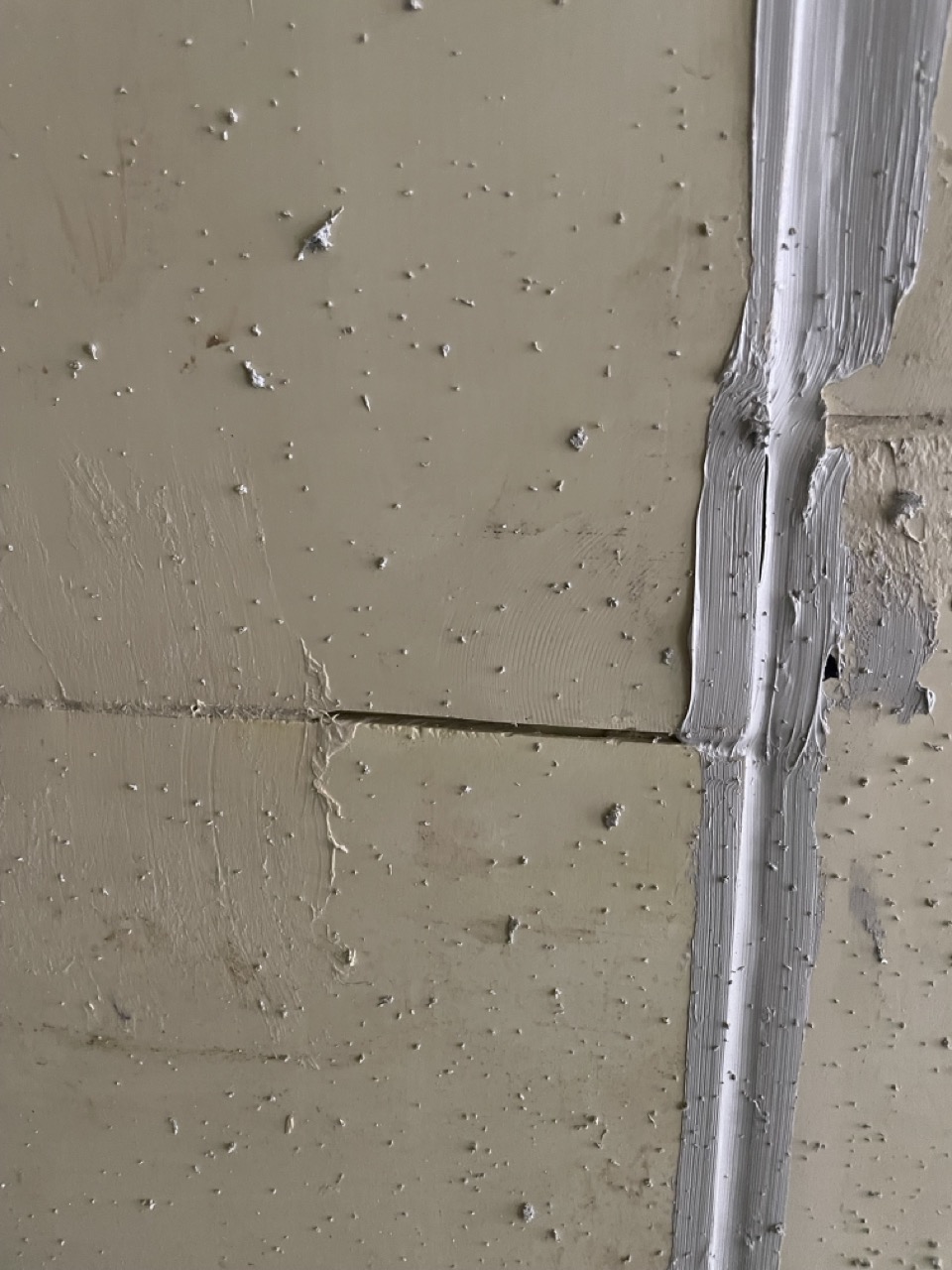
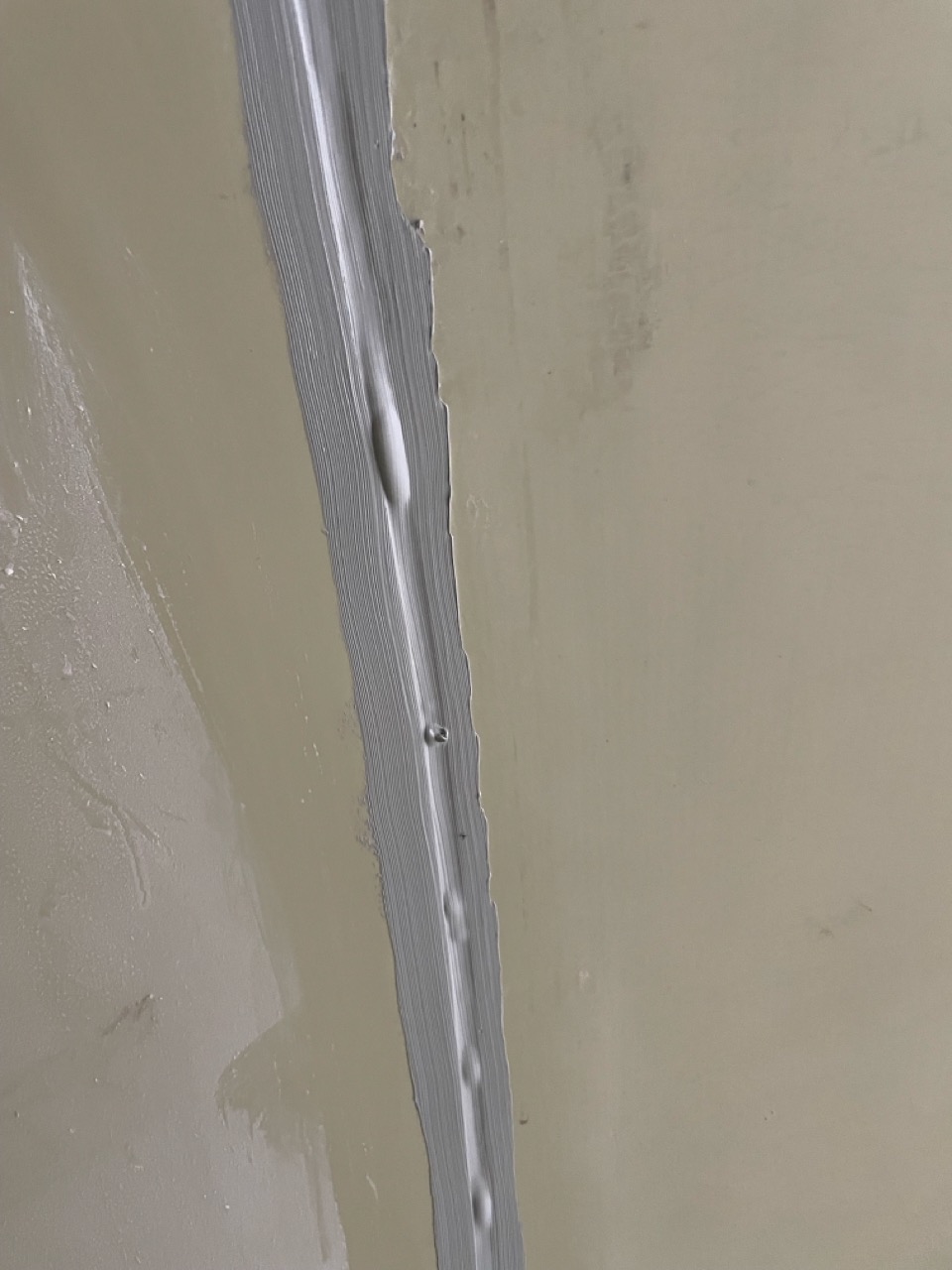
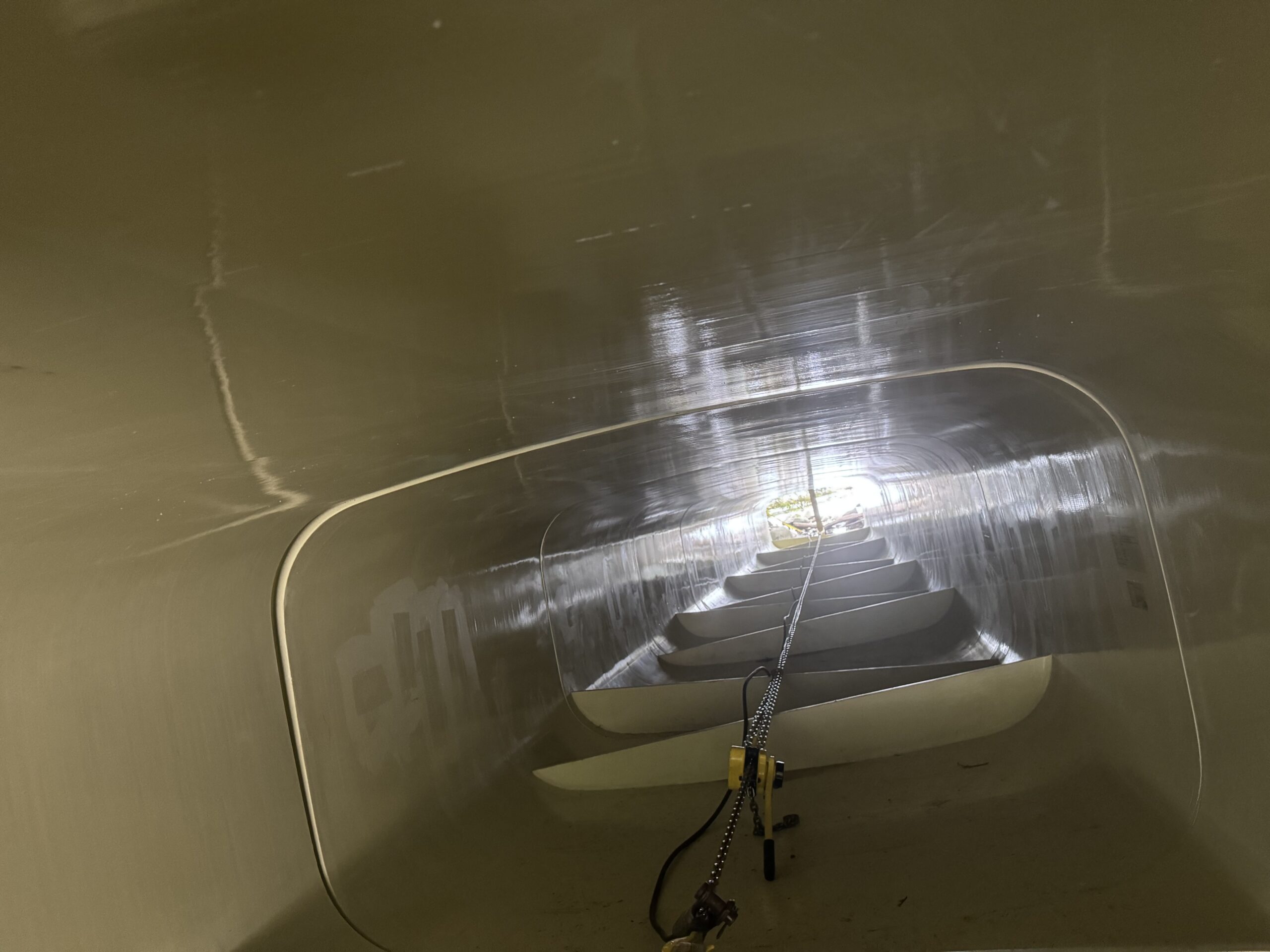
Similarly, Snap-Tite® Aquatic Life Passage systems offer factory-installed notched weir and corner baffles designed to address depth and velocity challenges within culverts. Both technologies help restore stream connectivity, allowing fish to reach critical spawning grounds and upstream feeding habitats that would otherwise be inaccessible due to high-velocity or undersized crossings.

By reducing flow velocity, increasing low-flow depth, and creating resting pools within the culvert barrel,  Snap-Tite baffle systems improve passage success during both normal and peak migration events. These solutions are particularly valuable where full culvert replacement is not practical but environmental improvements are required.
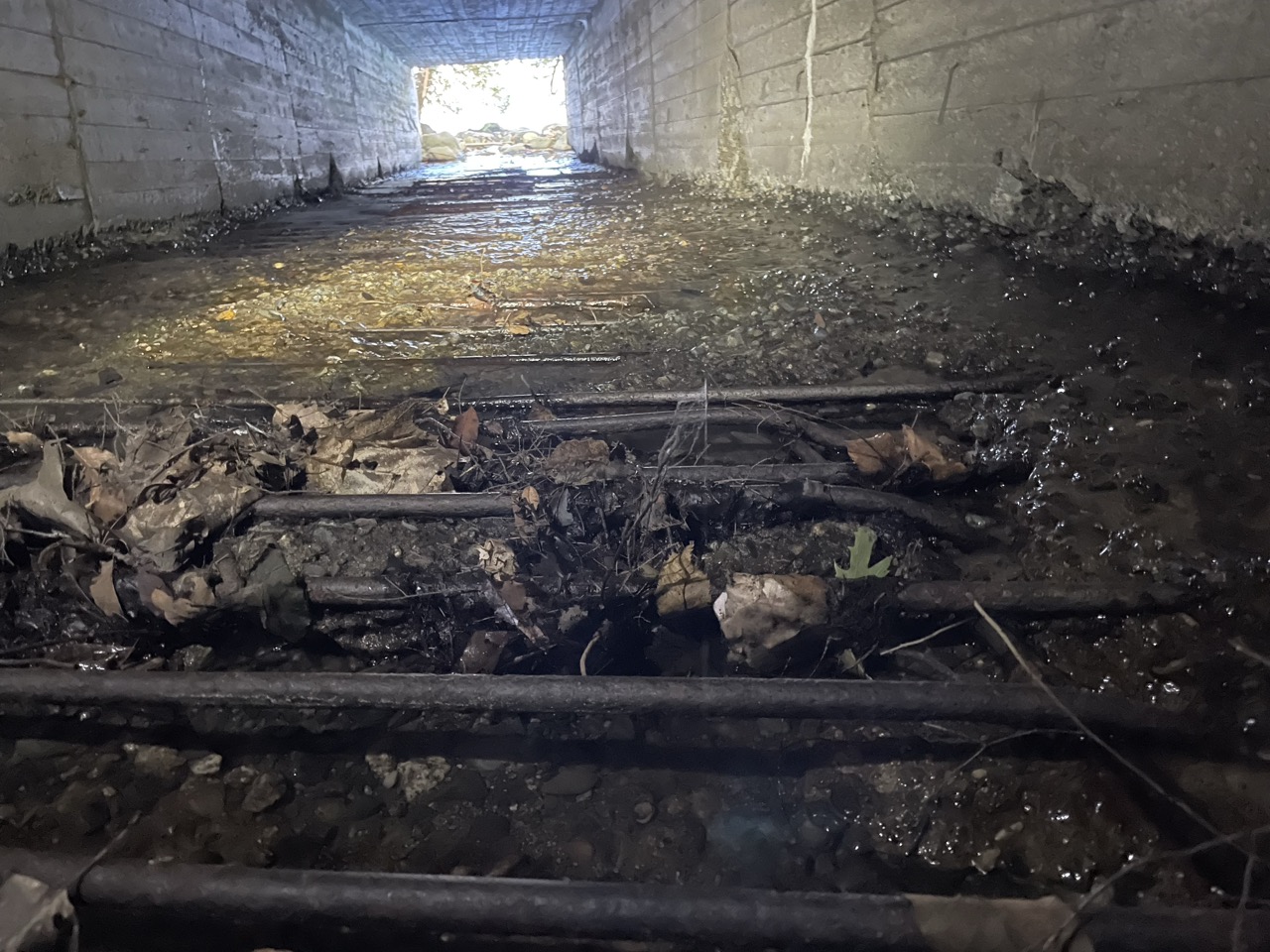
In addition to in-culvert fish passage technologies, DL VEWS also represents the FlexiFlow Expand Gate, designed to protect lakes and rivers from untreated sewage discharge during heavy rainfall and peak inflow events. In combined sewer systems, stormwater and wastewater are conveyed together. During intense storms, treatment plants can become overloaded, potentially leading to overflow events that degrade water quality and damage aquatic ecosystems.

FlexiFlow creates temporary in-pipe storage by partially restricting or sealing flow using a high-durability rubber bladder system. This allows existing sewer infrastructure to function as an intermediate storage reservoir until flows return to acceptable levels. The system is corrosion-resistant, requires minimal maintenance, and can be retrofitted into existing pipes through manholes — minimizing disruption to the public.

By regulating flow, improving water quality, and reducing overflow risk, FlexiFlow complements Channeline and Snap-Tite fish passage technologies. Together, these solutions protect aquatic habitat, improve migration pathways, and support the long-term health of fish populations that rely on upstream.

Which Fish Ladder & Environmental Products Does DL VEWS Represent?

To best serve our clients and deliver reliable fish passage and environmental protection solutions, DL VEWS represents:

Snap-Tite Aquatic Life Products
Specifically engineered to improve fish passage within culverts, Snap-Tite aquatic life systems incorporate internal structures that reduce velocity barriers and simulate natural streambeds while maintaining structural strength.

FlexiBaffle System
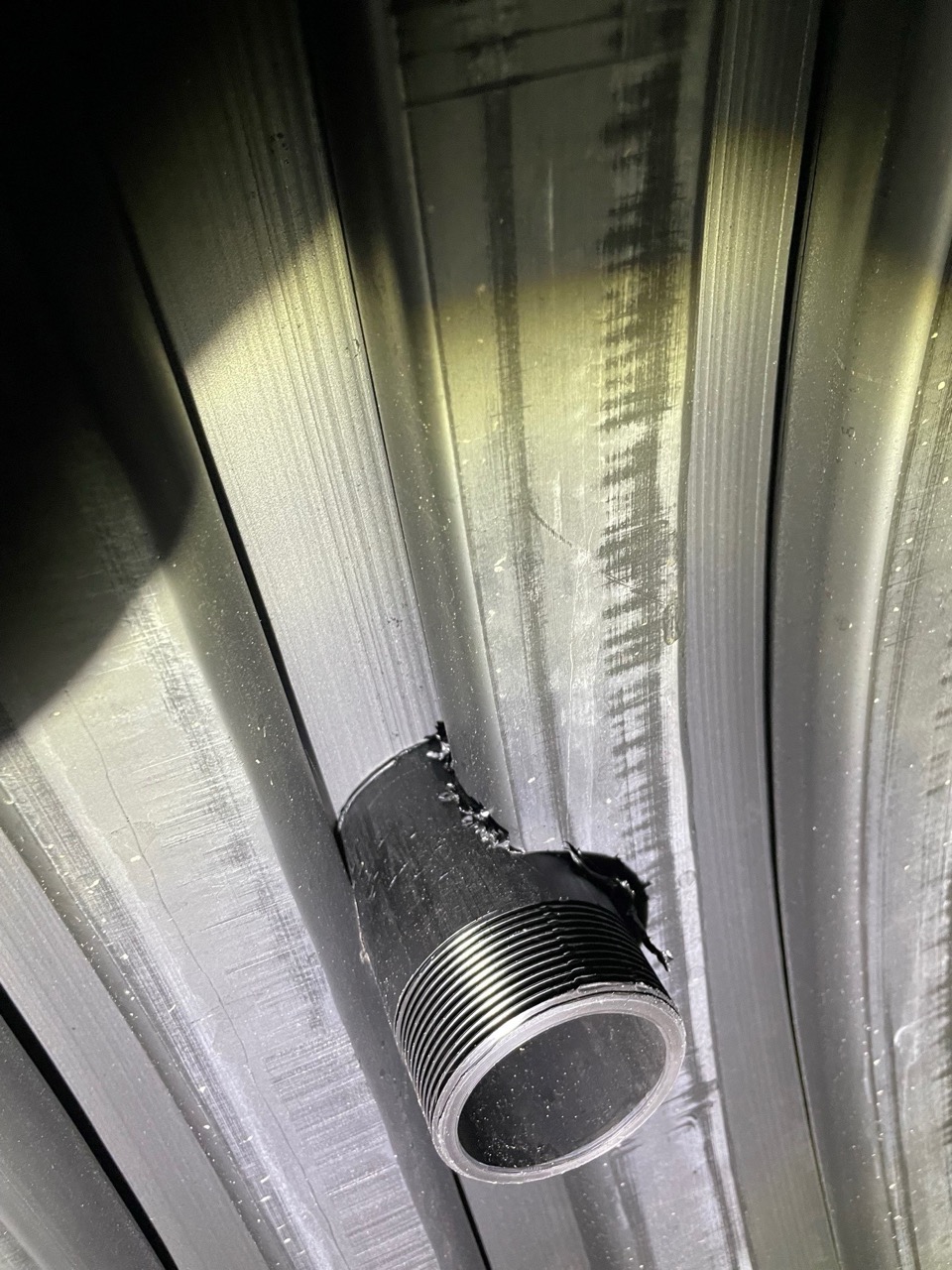
The FlexiBaffle system retrofits into existing pipes to create step-pool formations that mimic natural stream conditions. FlexiBaffles reduce water velocity and provide resting zones for migrating fish, making them an ideal solution for fish ladder retrofits.

FlexiFlow Expand Gate (by Floecksmühle)
A flow-regulation gate designed to protect waterways from untreated sewage discharge during storm events by creating temporary in-pipe storage within combined sewer systems.

Weholite
DuroMaxx
Corrugated Aluminum and Aluminized Pipe
UltraFlo
Tunnel Liner Plate
SPR-PE (Spirally Wound Steel Reinforced HDPE)

Additional environmental and structural solutions are available based on project scope and regulatory requirements.

When owners, engineers, contractors, and municipalities work with DL VEWS, they can be confident that the most effective fish ladder, aquatic life, and environmental protection solutions have been evaluated — ensuring habitat restoration, regulatory compliance, hydraulic performance, and long-term infrastructure safety.

Frequently Asked Questions

Most frequent questions and answers

A fish ladder is an engineered structure that allows fish to bypass barriers such as culverts or dams by creating a series of stepped pools for upstream migration.

Aquatic life baffles slow water velocity and create resting areas inside culverts, allowing fish to move upstream without being swept back by high flows.

Fish ladders restore stream connectivity, support spawning migration, and improve overall aquatic ecosystem health.

Yes. Systems such as Snap-Tite aquatic life products and Channeline FlexiBaffles are designed for retrofit applications.

No. When properly engineered, fish ladder systems maintain hydraulic capacity and structural integrity to protect roads from flooding and washouts.

FlexiFlow regulates sewer flow during heavy rainfall to prevent untreated sewage discharge into lakes and rivers.

Many environmental agencies require fish passage accommodations during culvert replacement or rehabilitation projects.

Most systems are designed to match the roadway lifespan — typically 50 to 100 years — depending on environmental and structural conditions.

In many cases, yes. Retrofitting a structurally sound culvert can significantly reduce costs and environmental disruption.

A hydraulic and environmental assessment can evaluate flow velocity, outlet drops, and structural conditions to determine whether a fish ladder or aquatic life baffle solution is needed.
Contact Us! We will get back to you Shortly